Property Prices in Peckham
Source: HM Land Registry Price Paid Data — median sold prices over a rolling 12-month window
Source: HM Land Registry.
Peckham flats average £430k — buyers at this level should also look at Walthamstow, the east-London counterpart pitching at a closely matched price point but with Victoria line commuting on top.
Market Position & Budget Bands
Peckham’s median sold price across all property types is £550k (HM Land Registry) — the midpoint of what sold, not a floor. The market is flat-led and active: most weeks there is real choice at the flat end and transactions turn over steadily, so a flat buyer rarely waits long. The house top-end is thin by contrast — larger family and semi-detached houses come up rarely, sell on their own terms, and are harder to pin to a reliable going rate. After the rapid growth of the late 2010s the market has broadly flattened, and flats — the bulk of what changes hands here — have held their value better than the all-property figure suggests.
What Your Budget Buys
Flats are the dominant local purchase and the liquid end of the market. They start from £92,500 at the very bottom, but the typical flat sits at £430k (ranging up to £1.07m), so budget for the midpoint rather than the floor — realistically a one- or two-bed flat, a converted warehouse space near Peckham Levels, or a purpose-built flat on a residential street off Rye Lane. Flats tend to sell within a couple of months.
Houses are the stretch. Terraced homes — Victorian streets around Bellenden Road and off Rye Lane — now sit well above the flat market, at a typical £866k and running from £420,000 up to £2.34m for the largest, so a house here is a real reach beyond half a million. Semi-detached houses are uncommon, mostly further south towards Dulwich, so treat their £1.22m median as indicative — it can swing year to year. Detached houses barely exist in Peckham, with too few sales to quote a reliable figure.
What Drives Values
Peckham’s value rests on things that don’t shift month to month. What holds it up: two Overground stations (Peckham Rye and Queens Road Peckham) plus quick buses into the City and West End, and one of south London’s strongest independent scenes — Rye Lane’s markets, the Bellenden Road cafés and galleries, Peckham Levels and the rooftop bars — which keeps demand from young professionals and creatives well ahead of supply. It sits in the middle of the south London belt from Brixton down to Dulwich, undercutting its more polished neighbours: what you weigh is character and price against calm, since Peckham keeps its high street and its noise while quieter neighbours charge a premium for it. What tempers values: that same grit isn’t for everyone, and the market has cooled from the froth of the late 2010s. The live median and by-type figures are in the cards above and on the price comparison page.
Leasehold vs Freehold
Many Peckham flats are leasehold with 99+ years remaining (safe), but some older converted warehouse stock has shorter leases (75–85 years). When viewing, always ask the managing agent about ground rent, service charges (typically £150–£250/month for mansion flats), and whether there’s a Right to Manage clause. Freehold terraces are more common on Bellenden Road and surrounding streets; semi-detached and detached properties are almost always freehold.
Rental Yields (Buy-to-Let Context)
For investors, Peckham offers competitive returns. Typical monthly rents run £800–£1,100 for a 2-bed flat (depending on location and finish), translating to gross yields of 5.7–6.5% on purchase prices around £450k–£520k. A Victorian 2-bed terraced house rents for £1,100–£1,300/month, yielding 5.2–6% gross. Tenant demand remains steady — Peckham attracts young professionals, families relocating from central London, and shift workers valuing Overground connectivity. The rental market is liquid: decent properties (£800–£950/month range) typically let within a week. Longer void periods occur for premium properties (£1,200+) or those with poor soundproofing. Buy-to-let demand has cooled from its peak, and with prices easing slightly rather than climbing, calculate yields conservatively and don’t bank on capital growth.
How Peckham compares nearby
Median sold price, all property types, against the nearest comparable areas we cover.
HM Land Registry · prices last updated 5 August 2026
Schools in Peckham

🏫 Primary
🏛 Secondary
Angel Oak Academy
Ilderton Primary School
Phoenix Primary School
Bellenden Primary School
Bird In Bush School
Harris Primary Academy Peckham Park
Hollydale Primary School
John Donne Primary School
John Keats Primary School
Pilgrims' Way Primary School
Rye Oak Primary School
St Francis RC Primary School
St James the Great Roman Catholic Primary School
The Belham Primary School
The St Thomas the Apostle College
Harris Academy Peckham
Data: Ofsted, 15 August 2026
Peckham schools present a mixed landscape. The postcode contains two strong secondaries and several primary schools ranging from Good to Outstanding. Understanding what Peckham schools offer is essential if you’re moving with children.
Secondary Schools
| School | Phase | Ofsted | Type | Notes |
|---|---|---|---|---|
| Harris Academy Peckham | 11–18 | Outstanding | Academy | Modern school; strong STEM track record; GCSE Value Added above national average |
| Angel Oak Academy | 11–18 | Outstanding (2024) | Academy | South London alternative provider; smaller cohort; strong pastoral care |
Source: Ofsted reports.ofsted.gov.uk, published 2024
Primary Schools (Selection)
| School | Ofsted | Type | Catchment Notes |
|---|---|---|---|
| Peckham Rye Primary | Good | Community | Victorian building; popular with local families; small catchment around Rye Lane |
| East Peckham Primary | Good | Community | South of Rye Lane; good for Nunhead overflow |
Source: Ofsted (as of Feb 2025)
Key Things to Know
Harris Academy Peckham sits on Queens Road and draws from right across Southwark. Places are competitive. The school has invested significantly in music and tech facilities. Angel Oak is smaller and suits families looking for a more intimate secondary.
For primary: Peckham Rye Primary is genuinely oversubscribed (catchment is tight). If you’re flat-hunting and want to avoid the commute to primary school, look within the Rye Lane catchment; otherwise, be prepared for a 10-minute bus ride to alternatives (East Peckham, Atwell Road).
School Catchment Reality: Distance & Oversubscription
Southwark’s community primary schools do not operate designated catchment areas. Instead, places are awarded based on oversubscription criteria set by the council — primarily distance from home to school (measured in a straight line), followed by religion, siblings already attending, and other factors. This means you cannot guarantee a place based on proximity; popular primaries like Peckham Rye Primary use last-distance-offered data from previous years to forecast whether your address will be in range. In tight admission rounds (which Peckham experiences), last-offer distances can be as low as 300–400 metres.
The practical reality: if you’re buying specifically for a primary school place, check the previous three years’ admissions data on Southwark Council’s website and call the school directly about likelihood of in-catchment admission. Cross-borough effects are minimal in Peckham itself, but families on Peckham’s eastern edge (near Lewisham boundary) may find some Lewisham primaries are closer. Secondary admissions (Harris Academy Peckham, Angel Oak) are less distance-sensitive and more diverse in their criteria — check each school’s annual admissions booklet.
Nurseries & Early Years
Southwark Council runs multiple nursery provision points across Peckham ward. Check Southwark Council’s FIND A SCHOOL service for the latest list of rated childminders and nurseries — this is more reliable than guides, as provision changes annually.
Families weighing Peckham for its Zone 2 convenience and compact school pool should also look at Stratford, whose provision reads in a similar register on both pool size and the Ofsted mix.
Transport & Commute: Peckham
Commute Times
Source: TfL Journey Planner, 2026. All times are station-to-station (boarding to alighting); add 5–10 minutes for walking to your nearest station and waiting.
Peckham's commute is rail-led — Southern, Overground, Thameslink — rather than tube-backed, a pattern it shares with Croydon, where Tramlink and Southern services carry the weight in place of an Underground station.
Main Rail Interchange: Peckham Rye Station
Peckham Rye is your lifeline. It’s an interchange between:
– London Overground (Windrush Line): Runs south to Surrey Quays (6 mins), north-west to Canada Water (6 mins — onwards to Canary Wharf, Bank, Vauxhall, Balham)
– National Rail (Southeastern, Southern, Thameslink): Direct services to Kent (via Maidstone East, Ashford), Surrey, and mainline connections to all England
Peckham Rye also has a secondary station: Queens Road Peckham (same lines, 5–7 mins walk from Rye Lane). Useful if you’re staying in the north of the neighbourhood.
Source: Transport for London Overground, TfL.gov.uk; National Rail, nationalrail.co.uk, 2026
Station Redevelopment (2025–26)
Southwark Council is demolishing the 1930s-style arcade at Peckham Rye Station and restoring the Grade II-listed façade. A new public square with commercial units will open by late 2026. This will significantly improve the forecourt environment (currently tired) and add food/retail tenants.
Bus Network
Rye Lane is served by routes 12, 36, 171, and 343. Routes 12 and 36 run north-south (to Clapham, Brixton, Waterloo); routes 171 and 343 serve east-west corridors. Frequency: every 8–12 minutes on peak routes, less frequent late evening. Walk-up convenience is high — any point in Peckham ward is within 5 minutes of a bus stop.
Commute Times from Peckham Rye (peak morning)
| Destination | Time | Notes |
|---|---|---|
| Waterloo | 20 mins | Via Surrey Quays + Jubilee + Bakerloo |
| London Bridge | 15 mins | Via Canada Water + Jubilee |
| Canary Wharf | 12 mins | Via Canada Water |
| City (EC1) | 25 mins | Via Vauxhall + Northern/Circle |
| Elephant & Castle | 18 mins | Via Surrey Quays + Jubilee |
Source: TfL Journey Planner, April 2026 peak times
Cycling
Peckham is flat. TfL has added protected cycle lanes on Rye Lane (2022) and Queens Road (2023). Clapham Junction and Vauxhall are both 3.5 km away (12–15 min cycle). The Sustrans network (quieter routes) connects Peckham to Dulwich, Camberwell, and Brockley. Bike parking is available at Peckham Rye station and on most residential streets.
Parking
Resident permit zones cover all of Peckham ward. Annual permits cost £155 (2025–26). Visitor permits are £5/day (max 90 days/year per address). Street parking is tight — assume 15–20 minutes to find a bay most weekdays. If you drive, factor in £200–£250/year parking costs alongside the permit. Off-street parking is rare but exists at new builds (Peckham Levels charges £15/day; some private developments include 0.5–1 space per unit).
Crime & Safety in Peckham
Top Concern
Source: Metropolitan Police via data.police.uk · Population: ONS Census 2021 · Updated monthly
The Numbers (May 2024–April 2025)
Is Peckham safe? The headline: Peckham records 130 crimes per 1,000 residents on a residential basis, 4% above the London average on a severity-weighted basis. Context matters: Southwark sits among the more crime-affected London boroughs, and Peckham runs below the borough as a whole.
Crime Types & Pockets
The figures below are raw counts by category, and some cover Southwark as a whole rather than Peckham. They sit on a different basis from the headline rate above, which covers all crime with visitor theft set aside, so the two will not tally.
- Violence and sexual offences: 24 per 1,000 across Southwark as a whole, not Peckham (Metropolitan Police, 2026) — highest category, driven by street assault and night-time economy
- Theft: ~10 per 1,000 — bike theft common on Rye Lane; phone snatching in busy markets
- Robbery: Underreported; concentrated around Rye Lane late evening and Queens Road station exit
- Burglary: ~6 per 1,000 — lower in Peckham than borough average
Geographical Hotspots
Rye Lane itself (especially 9 pm–2 am Friday–Saturday) is noisier and higher-crime than Bellenden Road or residential streets south of the railway. Peckham High Street has the highest concentration. Queens Road station exit (especially the west side, near the taxi rank) sees occasional street assault. Residential terraces away from main roads are relatively quiet.
Source: Metropolitan Police crime data (data.police.uk), Southwark crime stats 2024–26
What This Means
Don’t romanticise Peckham. It’s genuinely noisier and less safe than Brixton (comparable size, lower crime rate) or Dulwich. That said, crime is street-specific — you’re safer on Bellenden Road or Choumert Road than on Rye Lane at 1 am on a Friday. Use standard London sense: don’t walk alone late at night, keep valuables out of sight, and don’t cycle expensive bikes on Rye Lane (theft is a constant issue).
Unlock the Complete Peckham Guide
You’ve seen the headline data. Get the full picture — detailed narratives, council costs, community character, and our editorial verdict.
- 🎓 In-depth school, transport & crime analysis
- 🏛 Council tax & parking costs
- 🏘 Community character & local vibe
- ⭐ Editorial verdict, value assessment & future outlook
- 📦 Moving practicalities
By unlocking, you’re happy for us to email you this guide plus the occasional helpful update from Property Around London. No spam — unsubscribe anytime.
Council Fees in Peckham
Council Tax (Annual)
| Band C | Band D | Band E |
|---|---|---|
| £1,749 | £1,967 | £2,404 |
Parking
Source: London Borough of Southwark, 2026
Council Tax
Peckham falls under Southwark Council. Band D council tax is £1,967.
Most Peckham properties are Band C–D. A typical 2-bed terrace on Bellenden Road (£550,000 value) is likely Band D (£1,967/year). Flats vary: modern purpose-built flats are usually Band B–C; converted warehouse lofts can be Band D–E depending on floor area.
Local Services
- Waste & Recycling: Weekly collection (Monday–Saturday depending on street). Southwark has good recycling compliance; garden waste is charged (£50/year for blue bin service)
- Libraries: Peckham Library (131 Peckham Road) is a recently refurbished learning centre with good children’s services
- GP Services: Peckham has multiple practices (Dr Patel & Partners, Peckham Medical Centre); NHS registrations are open but practices fill quickly — register immediately upon moving
- Planning: Southwark Council planning portal is slow but transparent. Expect 8–12 weeks for standard decisions
- Environmental: Air quality in Peckham is moderate (not as bad as Elephant & Castle, better than Whitechapel). No ULEZ surcharge beyond TfL’s standard London-wide charge
Peckham Community Character
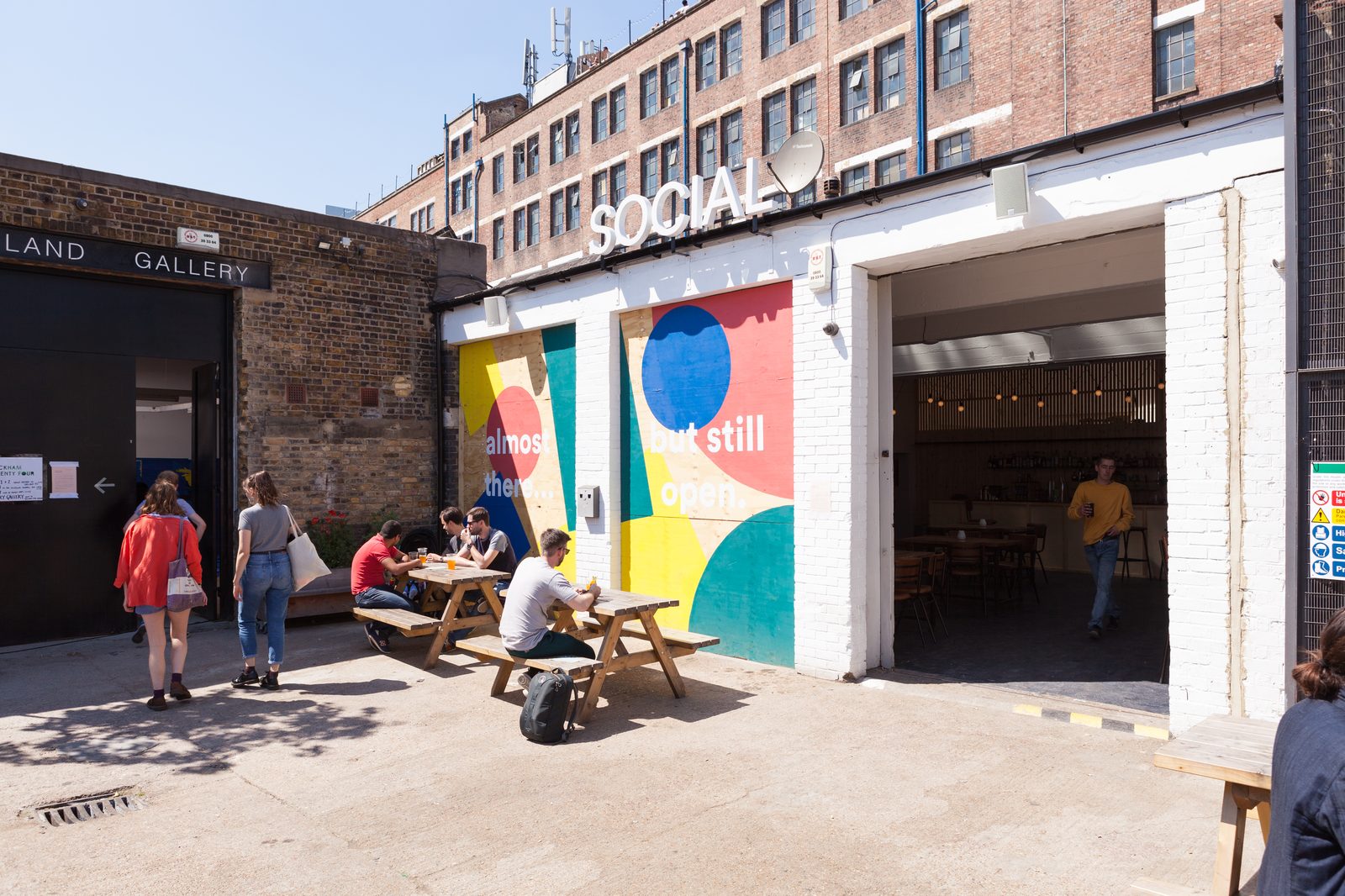
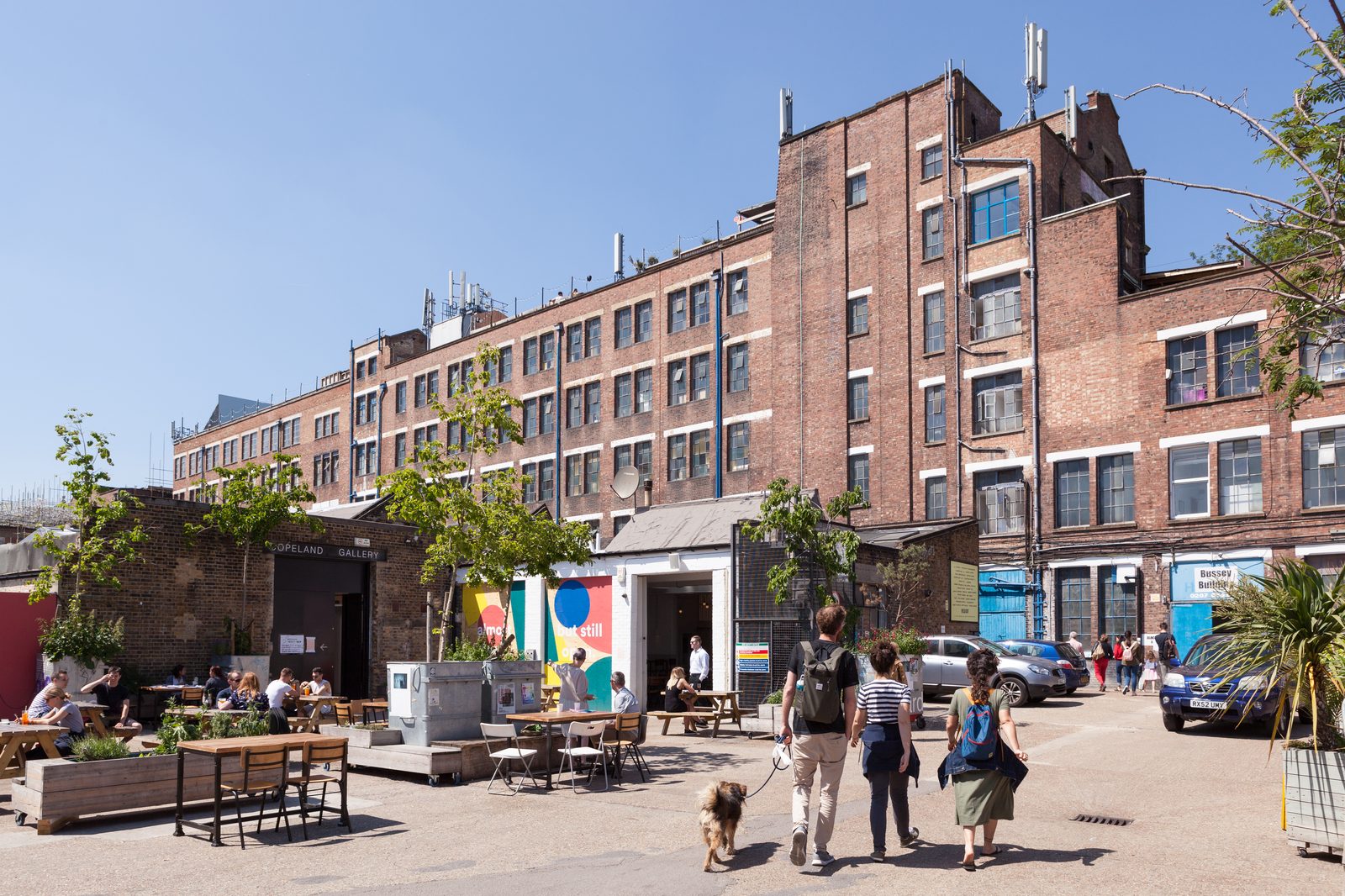
Peckham's high-independent, high-turnover cultural scene — the bars on Rye Lane, the Bussey Building, the Sunday market at the Aylesham Centre — finds its closest cousin in Brixton a short bus ride away.
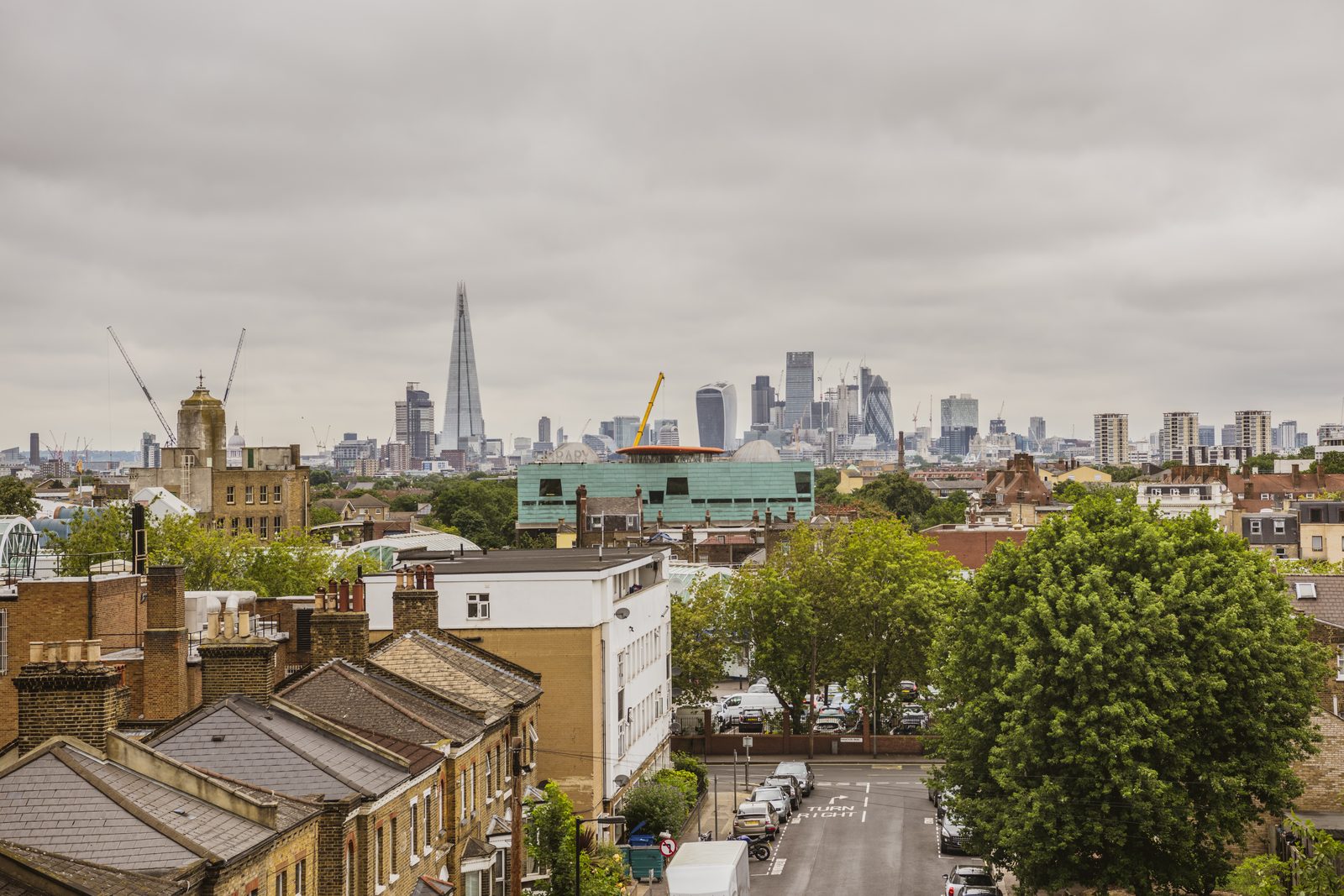
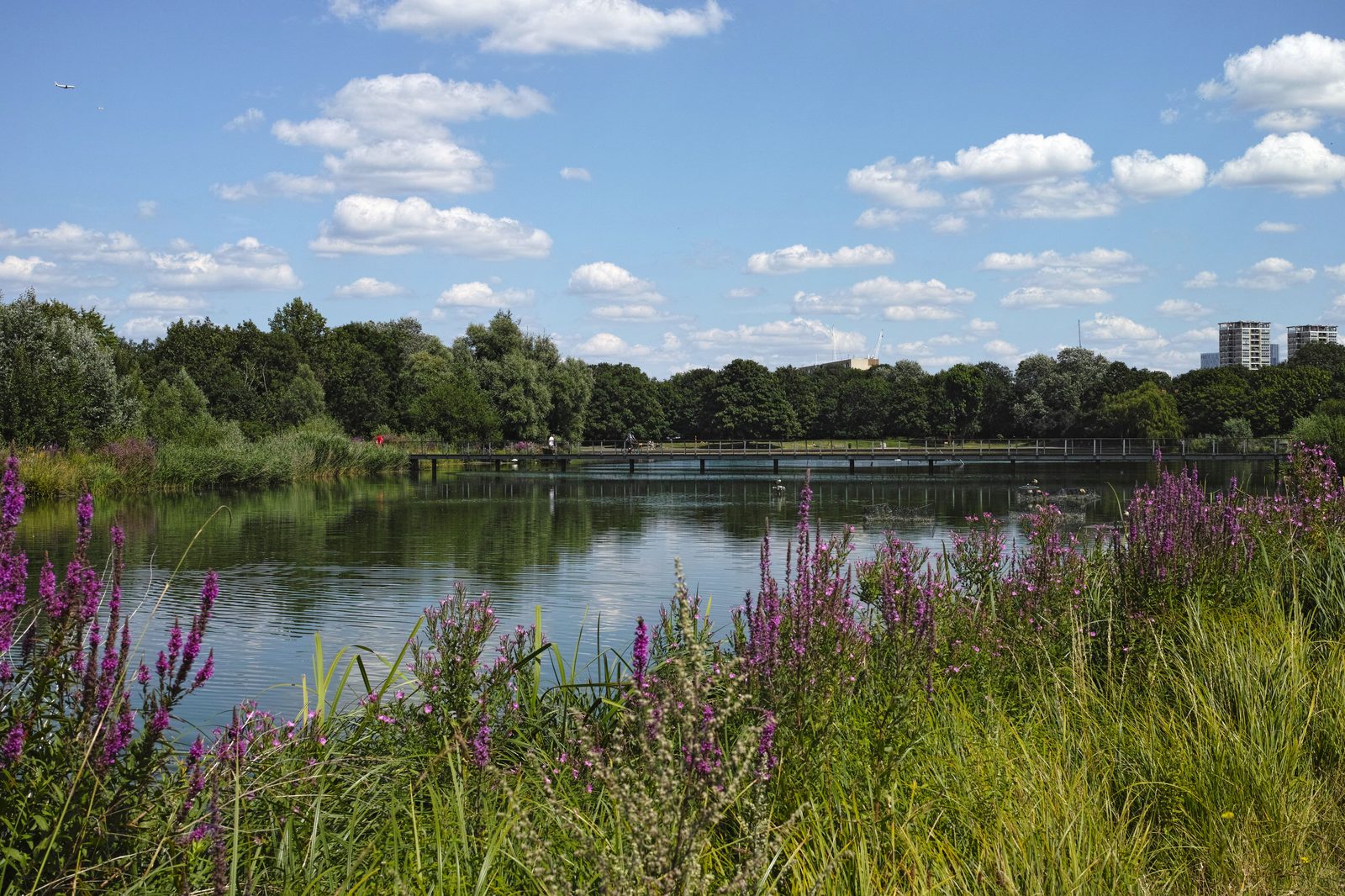
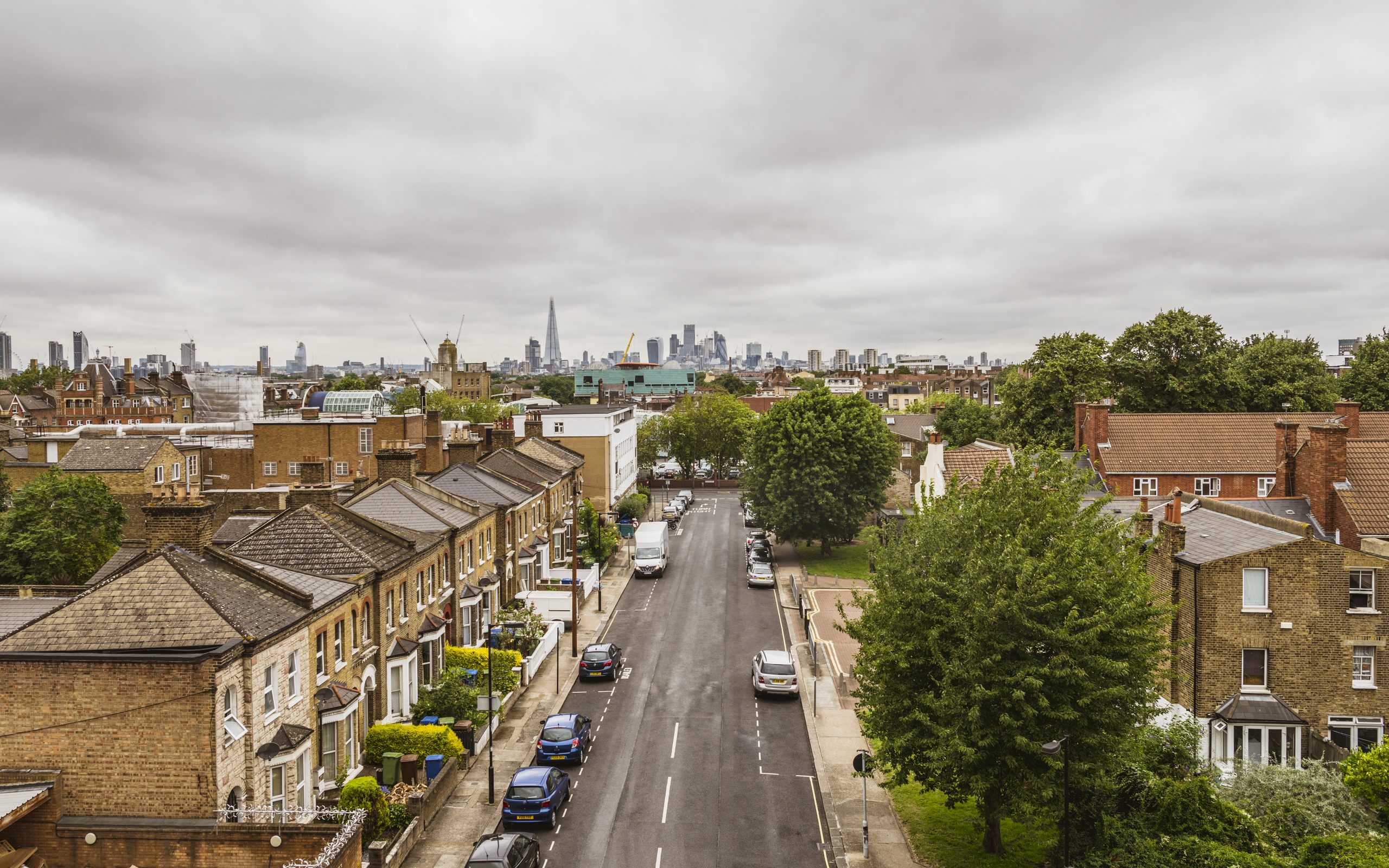
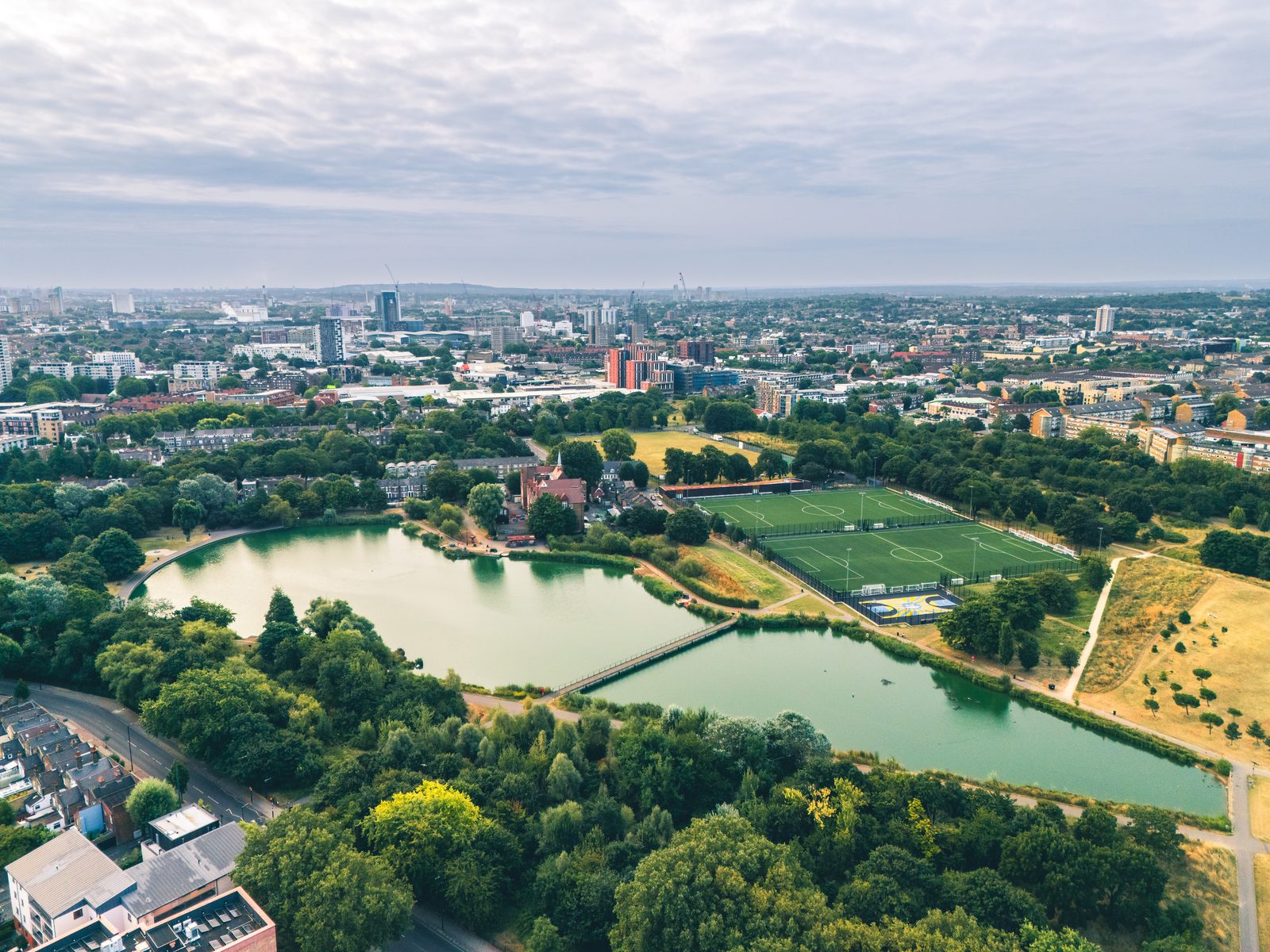
Rye Lane Peckham: Sensory Overload
Rye Lane Peckham is the spine of the neighbourhood, and it’s visceral. Fruit and veg stalls spill onto the pavement — yams, plantain, okra in summer, then winter root vegetables. You buy a kilo of mangoes for £1.50 because there are eight competing stallholders. The air smells of deep-fried chicken, incense, and diesel from the delivery vans. On Friday evening (6–9 pm) it’s packed: families, young people, night-shift workers coming home. On Saturday morning it’s even busier.
African fabric shops run the whole length — Royal Textiles is the flagship, with rolls of wax-print cotton in every pattern imaginable (Ghanaian kente, Nigerian ankara). Walk past and you’ll see seamstresses in the back working on custom tailoring. Hair supply shops, meat butchers (you can buy goat, tripe, offal), Caribbean takeaways with Jamaican beef patties and ackee. The signage is hand-painted or vinyl. There are no chain shops on Rye Lane itself — everything is independent.
By night (post-8 pm) the energy shifts. Fewer families. More late-night chicken shops, late-opening convenience stores, occasional street drinking. Friday nights have a thick crowd; Sunday evenings are quieter. The police maintain a visible presence — patrol cars, community officers — but not oppressive. Rye Lane is genuinely busy enough that it feels watched.
Honest detail: Rye Lane is also loud. If you live directly above it, expect noise until midnight most nights, later on weekends. Neighbour disputes over noise are common in flat conversions on Rye Lane itself. The pavement is uneven; large delivery vans block it regularly. If quiet is non-negotiable, live one street back.
Bellenden Road: A Different World
One street south runs Bellenden Road. The contrast is jarring. Here it’s Victorian terraces, independent bookshops, wine bars, and Sunday lunch crowds. Review is a proper independent bookshop (not a chain) with knowledgeable staff; The Sourcing Table sells wine from small producers (350+ list) and runs tastings; Artusi is a tight Italian restaurant with a proper wine list; The Begging Bowl is Thai street food done seriously.
The pavement is lined with outdoor seating in summer. There’s a community garden maintained by volunteers. A farmers market runs alternate Saturdays (locally-sourced veg, sourdough bread, flowers). The atmosphere is Gen-X bohemian — people recognise each other, there’s genuine community feel, but it doesn’t feel studied or self-conscious.
Terraced houses here have front gardens (rare in London), small but enough for a bench and tomatoes. The street is quiet — no through-traffic, genuine 30 mph zone. The trade-off: it’s less diverse demographically (whiter, more middle-class); less buzzy; more nuclear-family-focused than Rye Lane’s extended-family street culture.
Rent and lived experience diverge here. Bellenden Road flats (£800–£1,200/month for 1-bed) house young professionals working in tech/media/law. Rye Lane (£650–£950/month) houses shift workers, students, families. The two roads exist in the same postal code but feel like different neighbourhoods.
After Dark: What You Need to Know
Friday night to midnight: Rye Lane is the busiest time of the week. It’s social, crowded, and diverse. Also loud. Restaurants fill up; the bar scene starts (venues cluster around Peckham Levels, Queens Road junction). It’s safe in numbers — good time to be out.
Friday/Saturday post-midnight: Fewer families, more night economy. Late-night chicken shops stay open; some drinking on street corners (antisocial behaviour occasionally flares). Police presence increases. Most people are fine, but it’s less obviously welcoming to lone walkers. Minicabs and late-night Ubers queue at stations.
Sunday: Quiet morning (shops open 11 am), busy lunchtime (Bellenden Road is packed 12–3 pm), quiet evening. People leave for weekends; night bus provision is 30–60 minutes.
Weekday evenings: 7–9 pm is busiest. Schools finish, shops close 7–8 pm, night-time economy hasn’t started. By 10 pm, streets are quiet. Quieter than central Peckham.
Five Places That Define It
-
Frank’s Café (Peckham Levels, 6th floor): Seasonal rooftop bar open May–October only. Views of the City skyline; small plates; negronis; £6–£8 drinks. Packed weekend afternoons. Feels like Peckham saying “we’re not trying to be cool, but we are”. [Verify: Opens 15 May 2026; closes 12 September 2026. Check boldtendencies.com for current menu]
-
Peckham Levels (multi-storey car park, transformed): 80+ independent studios and businesses (artists, designers, makers) on floors 1–4; food hall (5–6) with five independent street food vendors, bar, pool tables, retro arcade, karaoke. Always something happening. Not slick — genuinely grungy, genuinely creative.
-
Bellenden Road: The easy-access version of Peckham that works for Sunday lunch without committing to Rye Lane. Window shop Review Books, have a coffee at General Store, walk past Victorian gardens.
-
Burgess Park (summer weekends): 56 hectares, 5 min bus from Rye Lane. Lake for fishing, BMX track (400m national standard), playgrounds, barbecue areas. On summer weekends it’s full of extended families, kids, smell of jerk chicken cooking.
-
Peckham Festival (September): Free week-long festival celebrating arts, food, and culture. “Made in Peckham” opens 100+ local studios and homes for the public to visit. Peckham Levels and Copeland Park host the main programming. Genuinely inclusive, not corporate.
Seasonal Rhythm
Spring (March–May): Frank’s Café opens (15 May). Gardens bloom on Bellenden Road. Peckham Levels’ outdoor bar sets up. Good weather brings out street life. Still relatively quiet.
Summer (June–August): Peak season. Frank’s is packed. Burgess Park becomes a genuine destination (summer barbecue weekends). Festival season starts (Peckham Festival in Sept sets the mood). Rye Lane feels European, outdoor seating everywhere.
Autumn (Sept–Nov): Peckham Festival (mid-Sept) brings 100k+ visitors. Peckham Fringe (performing arts festival) runs Oct–Nov. Weather is still good; crowds thin by November.
Winter (Dec–Feb): Frank’s Café closes. Nights are dark by 4:30 pm. Rye Lane quieter. Bellenden Road wine bars get cosier. Schools dominate social calendar.
Source: Google Maps, OS Open Greenspace & editorial research, 2026

Zone 2 value without the Tube, a creative scene that rivals anywhere in south London, and Peckham Rye on the doorstep — character over polish.
Peckham has finished its move from overlooked to oversubscribed. The median sold price is £550k (HM Land Registry, 12 months to March 2026) — Zone 2 value, with the cheapest flats still under £100,000.
Peckham scores 52/100 on the PAL Score — our weighted rating across six core criteria that define what makes a London neighbourhood work for buyers.
Score Breakdown
| Criterion | Score (/100) | What it means |
|---|---|---|
| Diversity & Culture | 52 | Genuine ethnic, economic, and cultural diversity — not a theme park version. Peckham Levels, independent shops, Peckham Festival create real creative momentum. |
| Transport Connectivity | 63 | Excellent Overground (Peckham Rye to Waterloo 20 min); bus network comprehensive; flat terrain good for cycling. But no Underground station. |
| School Quality | 48 | Harris Academy Peckham is Outstanding; Angel Oak Academy likewise. Primaries competitive with tight catchments. Ofsted ratings strong. |
| Green Space Access | 45 | Burgess Park (56 hectares) is substantial with lake, BMX track, playgrounds. Peckham Rye Common nearby. Good network of smaller parks. |
| Property Price Affordability | 55 | Well-priced for South London at a £550k median; good fundamentals; some downside risk if BTR investment wave doesn’t recover. |
| Safety | 47 | Honest: 130 per 1,000 is manageable but not comfortable; Rye Lane late-night carries real risk. Residential streets are quieter. |
Scores use the PAL 0–100 scale based on z-score normalisation across all London neighbourhoods.
What This Means
Peckham’s character drives its appeal. The neighbourhood genuinely offers ethnic, cultural, and economic diversity that most London areas lack. Transport is strong (63/100) with excellent Overground links, though the absence of a Tube station is a trade-off. Schools (48/100) are solid, with Harris Academy Peckham delivering Outstanding results.
The honest downsides: crime sits at 130 per 1,000 on a residential basis, 4% above the London average, and noise on Rye Lane is persistent. Safety (47/100) requires street awareness, particularly late at night. Affordability (55/100) is strong relative to Brixton or Hackney, but still requires serious deposits.
Peckham suits young professionals, creatives, and families comfortable with urban density and real diversity. Bellenden Road offers a quieter version; Rye Lane offers the full energy. Not for those seeking quiet residential streets, but genuinely good for people who value character, independence, and authentic community over polish.
Readers enjoying Peckham often look next at Hackney, the east-London analogue where a longer-running cultural scene sits at a premium price tier but delivers the same independent-led flavour at a different scale.
✗ May Not Suit
💰 Value Assessment
Peckham offers genuine Zone 2 value. The median sold price is £550k (HM Land Registry), with flats averaging £430k — well below neighbouring Dulwich. Terraced houses at £866k average reflect rising demand for the Bellenden Road pocket but remain competitive for SE London. The gap to Dulwich Village proper has narrowed but still leaves Peckham as the better-value buy for buyers comparing inside the same school catchments.
Our Recommendation
Who's Peckham for?
You’ll feel at home in Peckham if you:
- Want Zone 2 culture without Zone 1 prices. The typical flat sells at £430k and the cheapest at £92,500 (Land Registry) — reasonable Zone 2 value, especially next to Brixton, Hackney, or Clapham.
- Value independent, mixed-up creative culture. Peckham Levels, Bellenden Road and the Queen’s Road restaurant strip — genuine without being curated. Real diversity, not stylised.
- Work in the City or Canary Wharf. Peckham Rye Overground reaches Liverpool Street in 25 minutes, Canary Wharf in 17 via the Windrush line — direct, no Tube needed.
- Have school-age children and want choice. 3 Outstanding primaries and Harris Academy Peckham (Outstanding secondary) within walking distance. Burgess Park (56 hectares) for outdoor play.
- Don’t mind density and noise. Rye Lane has constant background buzz. If urban energy energises rather than drains you, Peckham is built for it.
Peckham won’t work for you if:
- Need quiet. Rye Lane is genuinely noisy; even residential streets have background hum. Look at Brockley or Dulwich for quiet Zone 2.
- Drive daily. Permit zones, limited parking, dense streets, congestion — doable but frustrating. Southwark resident permit £272/year (2025/26 rate) on top of the parking hunt.
- Want aesthetic uniformity. Peckham is deliberately mixed and rough-edged — litter, uneven pavements, hand-painted signs. If you want curated gentrification (Notting Hill), this isn’t it.
- Prioritise low crime stats. Peckham crime sits near the London average but rising 4.5% YoY. Theft and ASB around Rye Lane are visible — Brockley or Dulwich for lower crime.
- Are priced out. The median Peckham flat is £430k (Land Registry); 2-beds typically £450k–£550k. Brockley, Forest Hill or Camberwell are cheaper.
The Real Picture
Peckham is for people who choose energy and texture over polish and quiet. The food scene is genuinely diverse, the Overground reaches the City and Canary Wharf without a Tube change, and the Zone 2 prices stay lower than Brixton or Hackney. But this is a busy, rough-edged, deliberately uncurated neighbourhood — Rye Lane noise carries, and the streetscape isn’t pretty. If you respond to that energy, Peckham works hard for you. If you’d rather have manicured streets and quieter weekdays, look at Brockley, Forest Hill or Dulwich instead — all south-east London, all quieter.
Moving to Peckham: The Practical Side
Moving Day & Removals
Getting furniture into a Victorian terrace on Bellenden Road is easier than into a warehouse loft (stairs, no lift, tight hallways). Many removals firms charge extra for Peckham because of street parking constraints. Book your van on a weekday if possible (weekends are gridlocked, particularly around Rye Lane). Confirm street access with your agent — some roads have loading restrictions 8 am–6 pm Mon–Fri, which can affect moving times. If moving into a purpose-built block or warehouse conversion, check whether the building has a loading bay or whether you’re reliant on street parking for the van. Budget 30–50% extra compared to suburban moves; Peckham’s tight streets and high demand inflate removal costs.
First Week Essentials
- Register with a GP immediately — Southwark practices fill to capacity; don’t delay. Dr Patel & Partners, Peckham Medical Centre both accept new registrations, but expect a waiting list if you don’t register in the first week. Bring proof of address and NHS number.
- Get a resident parking permit if you drive (apply at Southwark Council online within 14 days of moving; cost £155 for 2025–26)
- Introduce yourself to neighbours — on Bellenden Road this creates genuine community feel; on Rye Lane flats, knock on your downstairs neighbour first (soundproofing is crucial; you’ll want to know their baseline for noise tolerance)
- Arrange council tax banding (usually done by mortgage lender, but confirm before moving in)
- Set up utilities: water (Thames Water), gas/electricity (various providers; switching is seamless), and broadband. Most Peckham postcodes have decent fibre availability; check your specific address with Openreach or Virgin Media before completing.
- Find your local bus stop — TfL Journey Planner is essential until you know routes by heart. Keep a screenshot of peak-time frequencies (routes 12 and 36 run every 8 mins; routes 171 and 343 are less frequent).
Shopping & Settling In
Rye Lane handles all fresh food and African/Caribbean staples (fruit stalls, meat butchers, fish vendors). For British supermarket essentials, the nearest Sainsbury’s is on Summertrees Road (10 min walk) or an Iceland on Rye Lane (frozen food, budget-friendly). General Store on Bellenden Road is good for artisan bread, veg and local products, but pricier than supermarkets. Borough Market is 15 minutes by bus if you prefer weekend food shopping. For your first week, Rye Lane provides everything; you don’t need to venture far.
For furniture and household goods: you’ll order online mostly (IKEA in Croydon by bus and coach, delivered within 10 days). Local furniture restoration shops cluster around Bellenden Road (Frost and Worn Not Torn do good repair work on secondhand pieces). Charity shops on Rye Lane and Bellenden Road stock basic household items cheaply.
Schools: Getting In
If you have primary-age children, contact Southwark School Admissions immediately (even before completing your move). Popular primaries (Peckham Rye Primary) fill in Round 1 of applications with tight distance-based admissions. Statutory deadline is usually October for September entry. For secondaries, apply by 31 October in year 6. Once you know your postcode, check last-distance-offered data on Southwark Council website to forecast whether you’ll be within catchment for your preferred school. Peckham Rye Primary’s catchment often sits at 400 metres or less in oversubscribed years — being just outside can mean a miles-away alternative. Plan accordingly.
Frequently Asked Questions
Common questions about living in Peckham, answered with data from our research.
Is Peckham safe? Crime is real and higher than London average. 91.2 per 1,000 residents recorded offences (May 2024–April 2025) puts Peckham in the 7th–8th decile for London. Most crime is theft and street assault, concentrated on Rye Lane and Queens Road station. Use normal London sense — don’t carry valuables visibly, avoid Rye Lane alone late at night, and keep valuables inside vehicles. Bellenden Road and residential streets are quieter. You’re safer here than in Croydon or Southall, less safe than Dulwich or Brixton.
Living in Peckham on Rye Lane is dense, diverse, noisy, commercial, and street-facing (cultural hub). Bellenden Road is quieter, independent, wine-bar-focused, and bookish. Same postcode; opposite vibes. Rent: Rye Lane is £650–£950/month; Bellenden Road is £800–£1,200/month. Both are genuine Peckham.
Visit on a Friday 6–9 pm (busiest, most representative) to experience Rye Lane energy. Visit a Sunday morning (quieter, Bellenden Road at ease). Take the Overground once to see commute reality. Visit after dark once to assess perceived safety. Don’t visit only on weekday office hours — you’ll miss the actual vibe.
Rye Lane: consistently loud 7 am–midnight, especially Friday–Saturday. If you live directly above shops or near the market, expect 75–80 dB ambient (equivalent to a busy road). Bellenden Road: moderately quiet, 60–65 dB (normal conversation). Residential streets away from main roads: quiet, 55–60 dB. Most conversions are not soundproofed — if the neighbour downstairs is noisy, you’ll hear it.
Peckham gentrified fast through the 2010s, but that pace has broadly settled. The median sold price now sits at £550k (HM Land Registry) — the midpoint of what sold, and a sign the rapid-growth wave has levelled off rather than gone into reverse. The area looks settled: characterful enough to keep its identity, expensive enough to resist another surge. Expect modest movement over the next few years, tied to the wider London market.
Peckham Rye to Waterloo: 20 mins (peak); 15 mins (off-peak). To Bank: 22 mins. To Canary Wharf: 12 mins. To London Bridge: 15 mins. These are genuine times (not optimistic TfL estimates). Bus-Tube combinations are slower (25–35 mins) but give transport variety.
Harris Academy Peckham is genuinely strong (Outstanding, GCSE value-added above national average). Angel Oak Academy is smaller but also Outstanding. Primaries are competitive — popular ones (Peckham Rye, Hollydale) are oversubscribed. If schools are priority, you need to apply in-year and be prepared for a waiting list or a longer commute. Don’t assume you’ll get your first choice.
Peckham Levels (studios, events, food hall), Peckham Festival (September, free, 100k+ visitors), Peckham Rye Common (lake, playgrounds, athletics track), Burgess Park (56 hectares, BMX, fishing, barbecue), Review Books (independent bookshop on Rye Lane Peckham), artist studio open days, swimming at Southwark Leisure Centre (10 min walk), cinema at Southwark Council-run cultural venues. It’s not Oxford Street, but there’s genuine stuff happening.
Flats: 4–8 weeks in current market (down from 1–2 weeks in 2021–22). Terraced houses: 8–12 weeks. Rental: less than 1 week for decent flats (£700–£900/month range is liquid). Longer for premium properties (£1,200+) or unusual layouts.
Directly above Rye Lane (noise). Very close to Queens Road station (busier, more crime). Isolated Victorian terraces without street activity (less community feel). Cheapest ex-council flats on deck-access estates (maintenance issues historically; improving but uneven). Anywhere without off-street parking if you drive (permit zone is crowded). These are not no-go areas — just less comfortable if you prioritise quiet or convenience.
Data from HM Land Registry, Ofsted, Metropolitan Police & TfL. Last updated 15 May 2026.
Moving to Peckham?
Get our free moving checklist and local tips delivered to your inbox.
No spam. Unsubscribe anytime.