Property Prices in Croydon Town Centre
Source: HM Land Registry Price Paid Data — median sold prices over a rolling 12-month window
Source: HM Land Registry.
At £260k, Croydon sits at the affordable end of the PAL-covered map — buyers at this level might also consider Morden, which nudges a little higher with Northern line convenience baked into the asking price.
Market Position & Budget Bands
Croydon remains one of London’s more accessible markets if you’re aiming for space. The median sold price sits at £390k (HM Land Registry), and the ladder is genuinely broad — from the cheapest studios to detached houses at the top of the market. That breadth, rather than any single figure, is the point: Croydon offers more house for your money than most of inner London, in a market that has stayed stable rather than runaway. It is also a deep, liquid market — homes change hands in volume across every property type, and unusually for London, houses actually outsell flats here. In practice that means real choice: you’re rarely waiting on a single listing, and when you sell there are active buyers at every price band rather than a thin, one-buyer-at-a-time market where a sale can stall for months.
What Your Budget Buys
Flats are the entry point: from around £83k at the bottom to a £260k median, ranging up to £595k for the largest. Most are one-bedroom converted Victorians around South End, or two-bedroom conversions near the Boxpark and the East Croydon regeneration — often ex-local-authority at the lower end, and the cheapest genuine way into the borough.
Houses are where Croydon’s value shows. Terraced houses run from about £160k to £755k (median £417k) — typically two- and three-bed pre-war stock along the tram routes. Semi-detached family homes with gardens, concentrated in South Croydon, Purley and Coulsdon, span £235k to £903k (median £485k). Detached houses — rare in the centre, more common on the green fringes around South Croydon, Coulsdon and Kenley — reach from £405k up to £1.62m (median £629k). Across all of them the point is space: a budget that buys a flat in Zone 2 buys a whole house here.
What Drives Values
Croydon’s value case rests on a few durable things. What holds it up: it is one of the best-connected towns in the south — East Croydon runs fast trains to London Bridge, Victoria and Gatwick, backed by London’s only tram network — and it offers genuine space and whole houses at prices inner London can’t match, which keeps a steady flow of buyers priced out further in. What tempers it: the long-promised town-centre regeneration has been slower and less certain than billed, and perception lags the reality, so Croydon’s case leans more on rental yield and relative affordability than on rapid price growth. For owner-occupiers that makes it a value-and-space play rather than a momentum one. The live median and by-type figures are in the cards above and on the price comparison page.
Leasehold vs. Freehold
Most central Croydon flats (especially converted period properties around South End and Addiscombe) are leasehold. Ground rent and service charges can run £1,500–£2,500 p.a. for a modest flat; newer builds (Boxpark conversions) often sit higher. Check the lease length carefully—anything under 80 years may affect mortgageability and future value.
Terraced and semi-detached houses tend to be freehold, especially outside the town centre. Detached homes on the periphery are almost always freehold.
Rental Yields & Buy-to-Let Context
Private rents in Croydon averaged £1,553/month in January 2026, up 4.6% year-on-year (Land Registry, 2025). For buy-to-let investors:
- One-bed flat: £1,200–£1,400/month = 4–5% gross yield on £280k purchase.
- Two-bed terraced: £1,600–£1,800/month = 5–6% gross yield on £395k purchase.
- Three-bed semi in South Croydon: £2,000–£2,300/month = 4.5–5% yield on £520k purchase.
Yields are reasonable by Greater London standards (5–6% on 2-beds is solid outer London), though not spectacular compared to provincial cities. Tenant demand is steady — Croydon attracts first-time renters upgrading from shared housing, professional relocations from central London seeking more space, and families needing family homes. The market is tight: good quality flats (£1,200–£1,400/month) let within days. Longer void periods occur for lower-quality properties or those demanding premium rents (£2,000+). Landlord sentiment has cooled slightly (2025 tax changes, rental market regulation) but Croydon’s affordability relative to zones 1–2 keeps demand resilient.
Important caveat: Unlike zones 1–2, Croydon’s investment case relies more on rental yield than capital appreciation. Annual price growth is modest (2% year-on-year). Regeneration could unlock upside, but timing is uncertain. Buy-to-let investors should model on yield, not price growth.
How Croydon compares nearby
Median sold price, all property types, against the nearest comparable areas we cover.
HM Land Registry · prices last updated 5 August 2026
Schools in Croydon Town Centre
🏫 Primary
🏛 Secondary
Fairchildes Primary School
Harris Primary Academy Benson
Harris Primary Academy Purley Way
Park Hill Infant School
Park Hill Junior School
St John's CofE Primary School
Aerodrome Primary Academy
Applegarth Academy
Ark Oval Primary Academy
Castle Hill Academy
Courtwood Primary School
Forest Academy
Forestdale Primary School
Good Shepherd Catholic Primary and Nursery School
Greenvale Primary School
Howard Primary School
John Wood School & Nursery
Krishna Avanti Primary School
Monks Orchard Primary School
Orchard Way Primary School
Quest Primary School
Robert Fitzroy Academy
Rowdown Primary School
Selsdon Primary and Nursery School
The Minster Junior School
The Minster Nursery and Infants Church of England Academy
Tudor Academy
Woodside Primary School
Archbishop Tenison's CofE High School
Ark Blake Academy
Meridian High School
Oasis Academy Shirley Park
Orchard Park High School
Shirley High School Performing Arts College
Data: Ofsted, 29 September 2026
Primary Schools: The Headline
Croydon schools in the primary phase rank strongly overall. The borough has 21 Ofsted Outstanding primary schools and sits at 99% of schools rated Good or Outstanding overall (Ofsted, 2025). No primaries are currently rated Inadequate. Croydon schools consistently deliver solid results above London averages. However, schools in the town centre catchment (Fairfield ward) can be oversubscribed with tight distance-based admissions; South Croydon and Purley primaries are typically less pressured. Understanding school admissions by postcode is crucial — distance to school (measured in a straight line) is the primary oversubscription criterion.
Notable Outstanding primaries with recent inspections (2023–2025): - Heathfield Academy (CR0 area, Outstanding, Ofsted December 2024). Mixed community school; strong leadership; good behaviour management. - Harris Primary Academy Purley Way (Purley, Outstanding, Ofsted September 2023). Diverse pupil population; good progress measures; strong pastoral approach. - St John’s CofE Primary School (Shirley, Outstanding, Ofsted May 2024). Church of England school with strong ethos and community engagement. - Rockmount Primary School (Upper Norwood, Outstanding, Ofsted November 2023). Inclusive approach; strong early reading/phonics; good value-added progress. - Addiscombe Primary School (Central Croydon, Good, Ofsted March 2025, improving trajectory towards Outstanding). Diverse intake; improving SEND support.
Across Croydon, 21 primary schools are rated Outstanding and a further 48 are rated Good, making the overall quality genuinely strong. However, getting into the Outstanding schools requires careful postcode planning — last-distance-offered data should be checked with Croydon Council admissions before purchasing.
Secondary Schools: Real Choice
The secondary picture is strong overall. Coloma Convent Girls’ School (Outstanding, selective Catholic girls) and Trinity School (Outstanding, selective church boys) consistently lead borough performance metrics (Progress 8 and GCSE grades above London average). However, both are selective, reducing options for mainstream families.
For non-selective state secondaries, schools rated Good across the Fairfield and Broad Green wards serve Croydon Central’s catchment areas. Examples include: - Selhurst High School (Good, Ofsted February 2024). Non-selective mixed secondary; solid GCSE performance; good behaviour. - St Andrew’s CofE High School (Good, Ofsted May 2024). Church secondary with strong pastoral care and diverse intake.
Practical notes on admissions: Distance to school is the key oversubscription criterion for all secondary schools (measured in a straight line from home to school). If you’re buying specifically for school access, check Croydon Council’s annual admissions data and last-distance-offered figures (published in April each year). Central Croydon (Fairfield ward) has tighter catchments than Purley or South Croydon. Schools fill quickly; in-year transfers are competitive and cannot be assumed.
Nurseries and Early Years
Croydon Council funds 15 hours free early education from age 2 and 30 hours from age 3. Childcare is notably cheaper here than inner London: nursery fees typically £800–£1,100/month for full-time care (compared to £1,500+ in zones 1–2). Most nurseries are private or maintained council settings; Croydon has good supply relative to demand. Waiting lists for free entitlements are manageable; most families secure a place by summer before their child turns 3.
Families weighing school depth should also look at Walthamstow, whose Outstanding-rated landscape runs at a scale comparable to Croydon's own — giving parents a similar range of options without crossing the river.
Transport & Commute: Croydon Town Centre
Commute Times
Source: TfL Journey Planner, 2026. All times are station-to-station (boarding to alighting); add 5–10 minutes for walking to your nearest station and waiting.
Croydon's commute leans on Tramlink and overground rail rather than the tube — a rail-led pattern also true of Peckham, where Southern and Thameslink services do the heavy lifting in place of an Underground station.
The Tram Network: Your Backbone
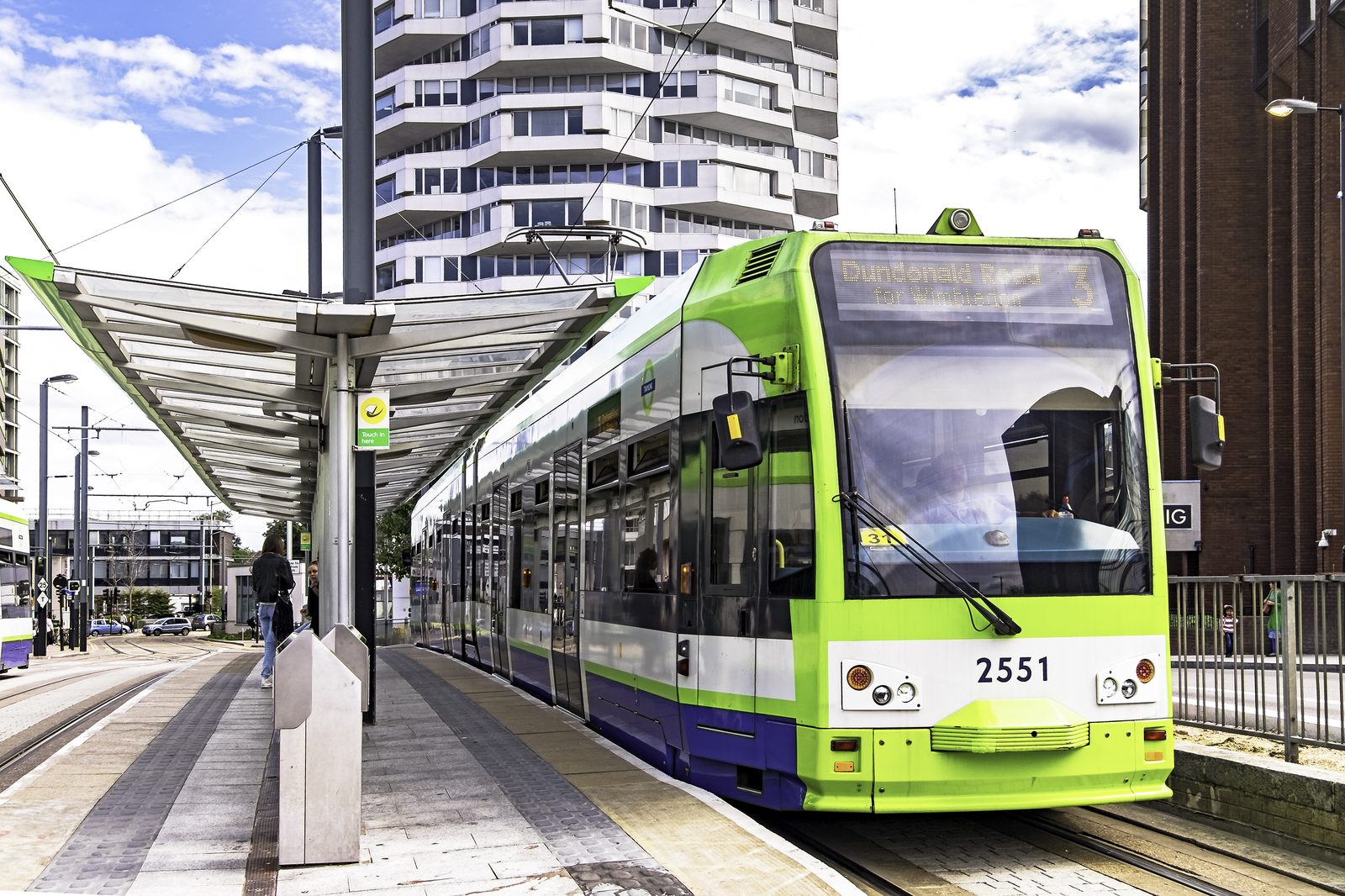
Croydon’s defining asset is the Tramlink. Three lines radiate from a central loop:
– Line 1: Wimbledon–West Croydon–East Croydon–Elmers End/Beckenham Junction/New Addington
– The tram runs every ~10 minutes during the day; last services depart around midnight.
From East Croydon tram stop, you reach:
– Wimbledon (change to District Line) in ~30 minutes
– West Croydon (single platform; less used; connection point) in ~15 minutes
– Lloyd Park, Coombe Lane, Addiscombe within 5–15 minutes
The network is frequent and reliable for local movement. Evening trams stop around midnight; after that, night buses (N68, N137) provide limited late-night coverage.
Train Commutes: The Speed Route
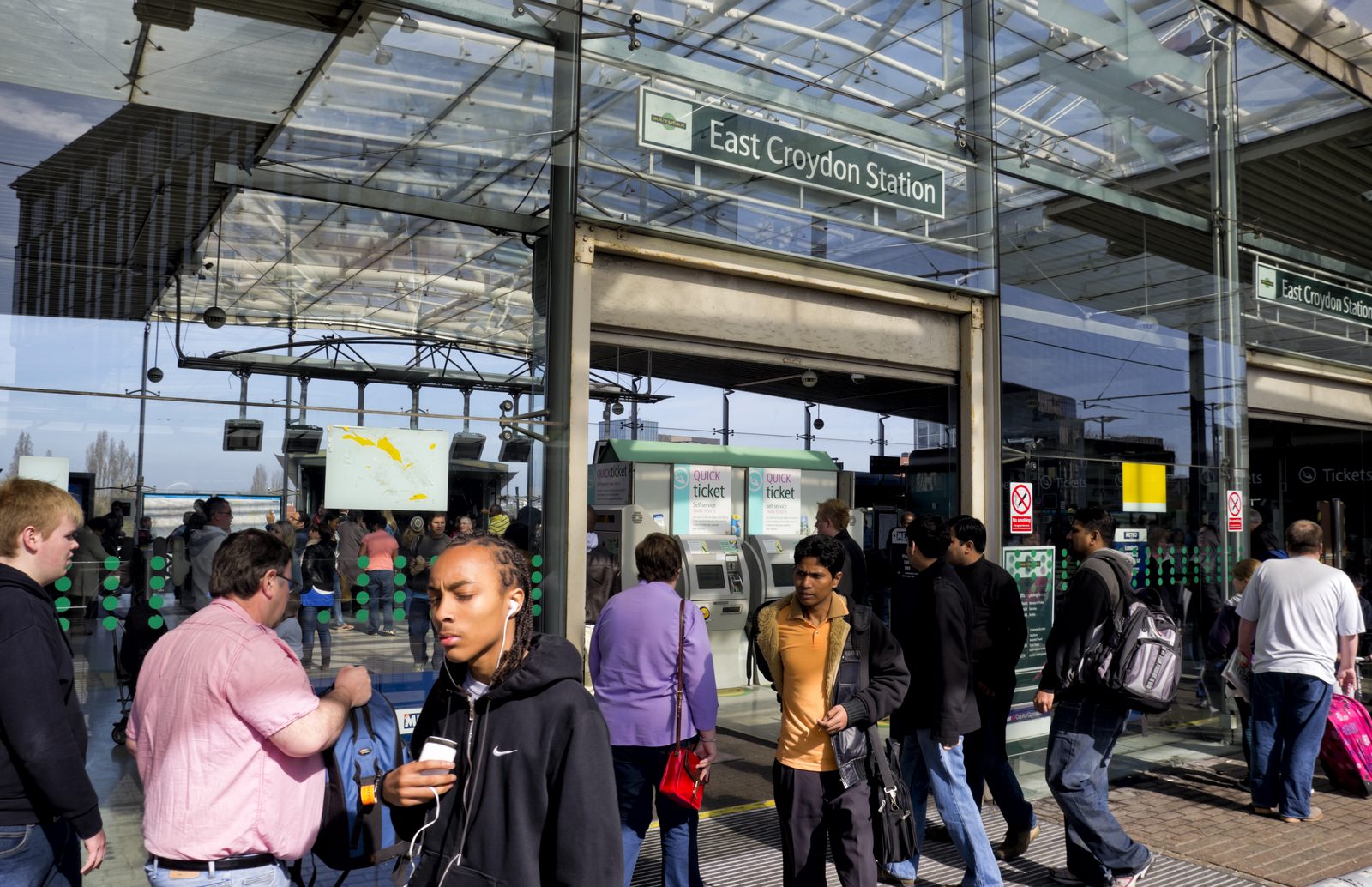
East Croydon is the main rail station (Southern and Thameslink services). This is your express ticket out:
| Destination | Time | Service | Frequency |
|---|---|---|---|
| Victoria (Zone 1) | ~15 min | Southern/Thameslink | Every 5–10 min |
| London Bridge (Zone 1) | ~18 min | Thameslink | Every 10 min |
| Gatwick Airport | ~15 min | Southern | Every 15–30 min |
| Brighton (coast) | ~38 min | Southern | Hourly |
| South Croydon Station | Local | Thameslink loop | Every 20 min |
| West Croydon Station | Local | Southern suburban | Every 30 min |
Real assessment: If you work in Victoria or London Bridge, East Croydon is genuinely fast—faster than many zones 2–3 locations. The station is busy but functional; peak hours (7–9am, 5–7pm) feel crowded, not chaotic.
Bus Coverage
Buses blanket the town. Routes 60, 64, 109, 130 connect town centre to surrounding areas. Journey times are unpredictable (20–40 minutes to district destinations depending on congestion), but coverage is comprehensive.
Evening Scene & Accessibility
Friday and Saturday nights see busy Boxpark crowds (8pm–late). Trams run until midnight; trains operate until ~11:30pm (Southern) or ~12:30am (Thameslink). After that, you’re on night buses or taxis. The town centre doesn’t have a true 24-hour vibe—it’s not Shoreditch or Brixton—but Friday/Saturday street presence is genuinely social for a Tier 1 neighbourhood.
Crime & Safety in Croydon Town Centre
Top Concern
Source: Metropolitan Police via data.police.uk · Population: ONS Census 2021 · Updated monthly
The Numbers
Is Croydon safe? Be honest with yourself before you buy here. Croydon’s PAL Safety Score is 22/100 — a low mark, and an earned one. Recorded crime runs 37% above the London average on a severity-weighted basis, and that includes residential burglary above the London average. The largest single category is Violence and sexual offences at 26% of recorded offences — a person-harm category, not shoplifting. On a residential basis — visitor and footfall theft set aside — the rate is 174 per 1,000 residents, 36% above the London average. The one genuine positive is direction of travel: the 12-month trend is Falling (-4.6%). (Source: Metropolitan Police recorded crime via data.police.uk, the latest 12-month period.)
Where the Crime Concentrates
Some of the headline volume clusters around the regional town centre, the mainline East and West Croydon stations, the shopping district and the night-time economy — visitor and commuter footfall rather than the streets where people live. The residential rate above already sets that visitor theft aside, so treat it as a floor for daily life, not a reason to relax:
- Central Croydon (Fairfield ward): the busy town centre carries the most — shoplifting from high-street retail, anti-social behaviour (rough sleeping and street drinking around East Croydon station), and street crime such as theft from the person and vehicle crime. The toucan crossing on Wellesley Road has improved visibility over the older isolated underpasses, but avoiding the town centre alone late at night (post-11pm Friday and Saturday) is sensible.
- South Croydon and Purley: materially quieter, with a more family-focused feel. South End is calmer than the centre, and most crime here is vehicle-related rather than street assault.
- Thornton Heath: more crime than the suburban fringes and less polished than South Croydon; walk it after dark yourself before committing if you want a settled residential feel.
- Addiscombe and the edge wards: quieter suburban character, noticeably calmer than the town centre.
- Coulsdon and Kenley (fringes): the quietest part of the borough — settled commuter neighbourhoods where day-to-day crime feels low.
What Residents Say
Local reports emphasise rough sleeping and visible street use, particularly around East Croydon station and Boxpark on quiet weekday afternoons. Residents tend to describe Croydon as “you’re okay if you’re sensible” — don’t leave valuables in cars, stay aware late at night in the town centre, don’t walk alone in isolated spots. Treat that as real advice for a real risk: the 22/100 score reflects genuine residential crime, violence-led, even with the trend Falling (-4.6%).
Unlock the Complete Croydon Town Centre Guide
You’ve seen the headline data. Get the full picture — detailed narratives, council costs, community character, and our editorial verdict.
- 🎓 In-depth school, transport & crime analysis
- 🏛 Council tax & parking costs
- 🏘 Community character & local vibe
- ⭐ Editorial verdict, value assessment & future outlook
- 📦 Moving practicalities
By unlocking, you’re happy for us to email you this guide plus the occasional helpful update from Property Around London. No spam — unsubscribe anytime.
Council Fees in Croydon Town Centre
Council Tax (Annual)
| Band C | Band D | Band E |
|---|---|---|
| £2,311 | £2,600 | £3,178 |
Parking
Source: London Borough of Croydon, 2026
Council Tax
Croydon Council Tax is among the highest in Greater London; Band D reaches £2,600 (Croydon Council). This reflects both rising service costs and the council’s historical budget pressures.
Comparison: Bromley and Sutton are marginally cheaper; Hackney and Lambeth are higher. Factor this into your affordability modelling.
Waste & Recycling
Croydon operates a two-weekly refuse collection and weekly recycling collection. Garden waste is opt-in subscription (£70/year, 2025–26). Bring sites are available for bulky waste. The service is standard London borough—reliable, not exceptional.
Parking
On-street parking permits in central Croydon (zones A, B, C) cost £170–£220/year (resident rate, 2025–26). Some roads have no permit controls. Off-street car parks in the town centre charge £1.50–£2.50/hour, with evening/weekend rates cheaper. If you’re car-dependent, factor in these costs; if you use trams/trains, a car becomes optional (which is rare for suburban London).
Planning & Development
Croydon Council is actively encouraging new housing through the Local Plan (2030 target: 32,890 new homes). Planning approval timelines are standard (8–13 weeks for minor applications, longer for major). The council has been receptive to conversions and infill development, which has increased supply and slightly moderated price growth.
Croydon Town Centre Community Character
If you're drawn to Croydon's mix of family-friendly suburbs and a working high street, Walthamstow offers the eastern equivalent — an outer-zone village feel with a busy independent scene along its main drag.
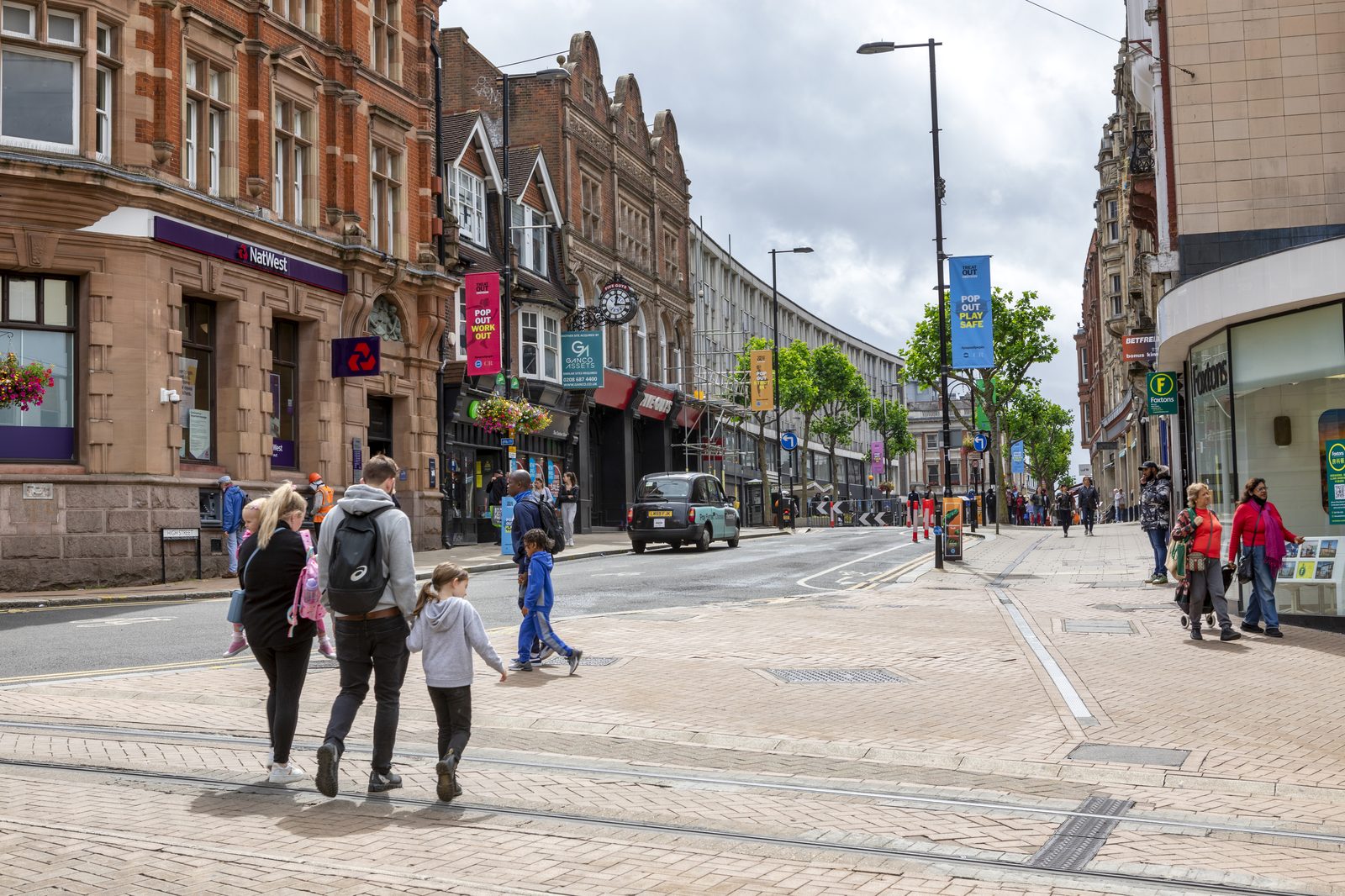
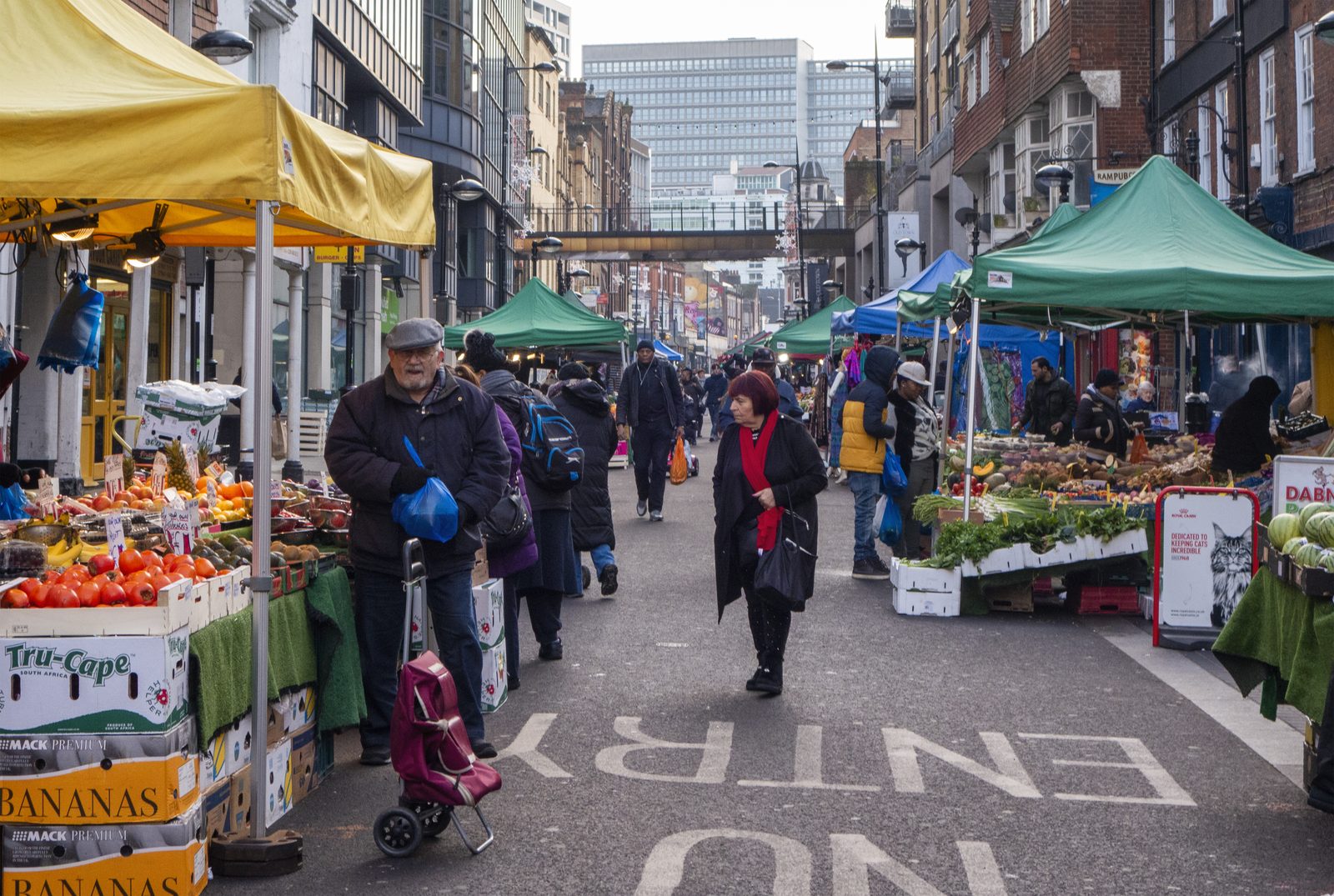
Surrey Street, Since 1276
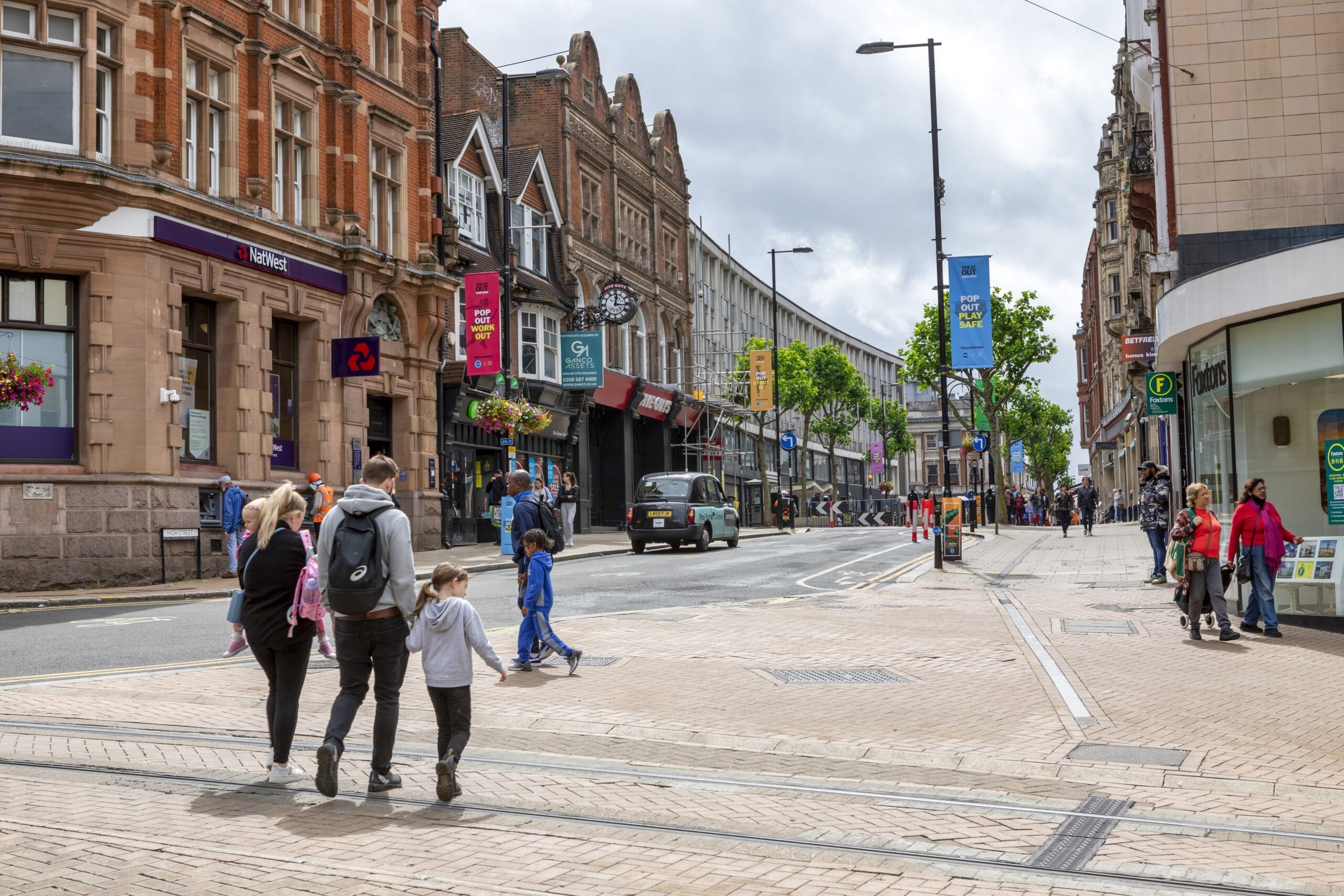
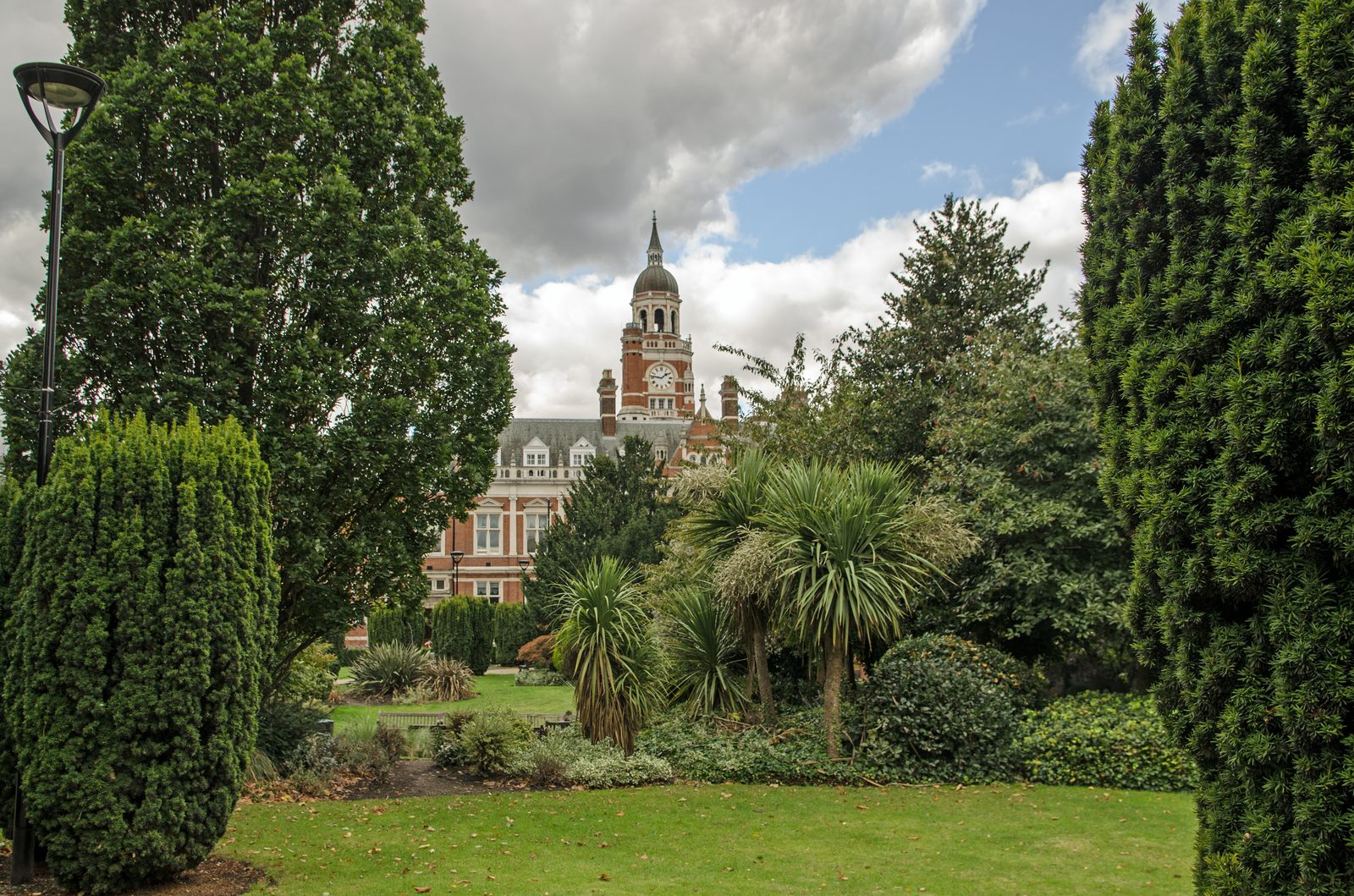
East Croydon station spits out commuters at 10am on a Saturday. The tram links rattle overhead, Boxpark’s glass shopfront catches the light opposite, and the smell of vendors setting up bleeds into the street. The high street is functional: Zara, Boots, Primark move people through.
Turn onto Surrey Street and the mood shifts. The market’s been running since 1276 — longer than most London institutions have existed. Fruit vendors edge their crates onto the pavement, bread stalls draw queues, and the street performers warming up tell you something is still happening here.
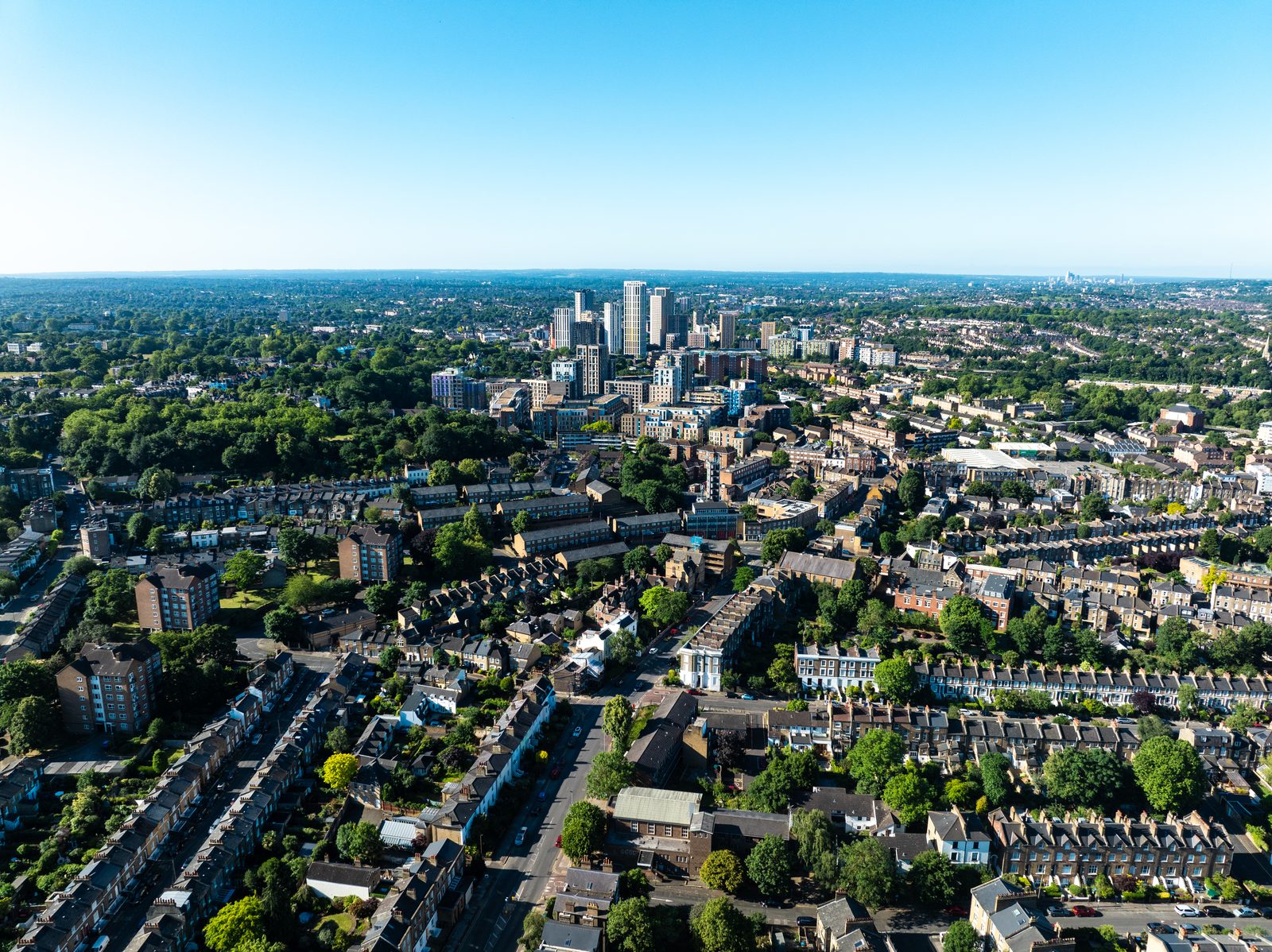
It’s not pretty-postcard Croydon. The Whitgift Centre looms, its demolition-scheduled status written in half-empty shop windows. Yet the town centre is busier than it’s been in years — cafés have multiplied, independent shops cluster on side streets, Boxpark fills with people eating pho and jerk chicken.
No Scene, But a Restaurant Quarter
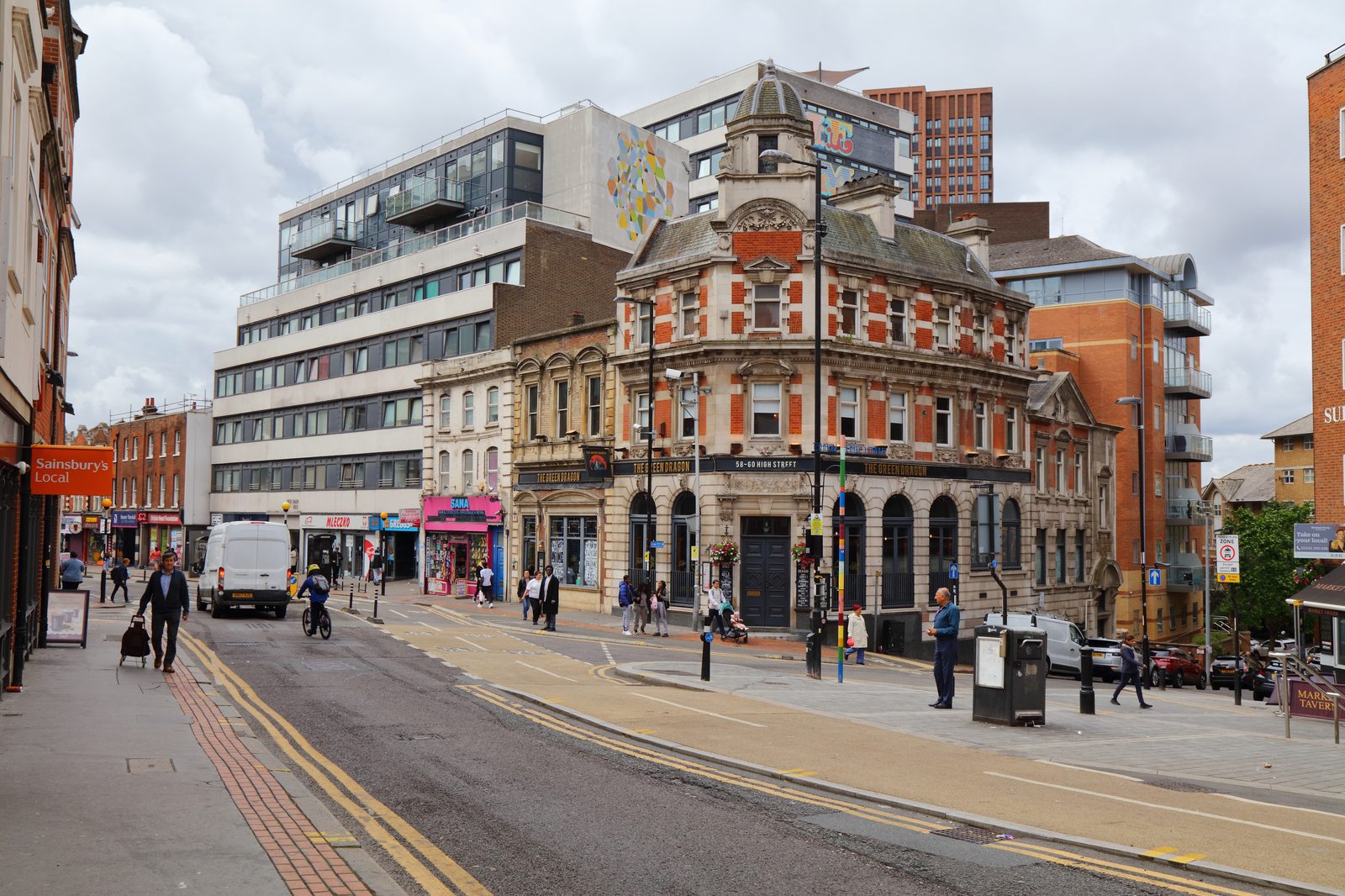
Croydon’s evening is honest about its limitations. There’s no concentrated nightlife district — no single strip you point at and call the place people go. What holds the weekend together is Boxpark, whose 2000-capacity venue opposite East Croydon runs live music, comedy, DJ nights and cinema screenings, plus a scatter of pubs: The Ship on the High Street, The Green Dragon for craft beer, and the Victorian Spread Eagle, which doubles as a theatre.
Where Croydon does concentrate is food. South Croydon’s Brighton Road has earned its “Restaurant Quarter” name — a run of pubs and international dining packed onto one stretch, from Turkish grills to South Asian and Afghan kitchens. It isn’t a night-out scene so much as a place to eat well and walk home, which for many residents is exactly the point.
The Market, Boxpark and the Centrale
Surrey Street Market, Surrey Street CR0 1RG — Monday–Saturday 6am–6pm; Sunday 10:30am–5pm for specialist vendors. Fruit, veg, flowers, clothes and the occasional bout of street theatre. Trading since 1276 — older than most London postcodes.
Boxpark Croydon, opposite East Croydon station — a 2000-capacity events space with food vendors spanning a dozen-plus cuisines and bars across two levels. Past headliners have included Stormzy and JME; the billing swings weekly between DJ nights, live comedy and film screenings.
Centrale, entered from the pedestrianised North End — the covered heart of the town-centre retail offer, holding the mainstream chains under one roof and linking through to the adjoining Whitgift Centre. It is functional rather than characterful, but it is where the everyday shopping actually happens, a short walk from both the market and the station.
From Riddlesdown Grassland to Surrey Street Lights
Spring Riddlesdown’s chalk grassland shows wildflowers; Lloyd Park’s woodland shifts into leaf. Surrey Street Market’s outdoor programming expands.
Summer Parks fill. Lloyd Park’s sports facilities get regular use; Boxpark’s outdoor seating becomes the evening focal point.
Autumn Riddlesdown goes gold and rust; Purley Downs valley views sharpen in low light. Evenings move indoors early.
Winter Covered shopping anchors absorb the crowd — Centrale, Whitgift, Boxpark. Surrey Street’s Christmas-themed programming runs mid-November through December.
Source: Google Maps, OS Open Greenspace & editorial research, 2026

South London's boldest regeneration, Zone 5 space for the money, and a tram network most outer boroughs lack — Croydon trades polish for value.
Croydon is south London’s value play: genuine space for the money, Zone 5 pricing, and a tram network most outer boroughs lack. The median sold price is £390k (HM Land Registry, 12 months to March 2026).
Croydon scores 44/100 on the PAL Score — our weighted rating across six core criteria that define what makes a London neighbourhood work for buyers.
Score Breakdown
| Criterion | Score (/100) | What it means |
|---|---|---|
| Transport Connectivity | 38 | East Croydon to Zone 1 in 15 minutes via train; tram network excellent for local movement. Late-night transport limited (trams stop midnight). |
| School Quality | 51 | 99% of schools Good or Outstanding; diverse school types (secular, faith, selective). Catchment pressure in central wards; south Croydon less pressured. |
| Property Price Affordability | 62 | Whole houses under £500k available at £417k; rental costs moderate; childcare competitive. Council tax high. |
| Green Space Access | 35 | Lloyd Park, Coombe Wood, Purley Oaks excellent. Not as extensive as true suburbs but more than inner London. |
| Safety | 22 | An earned low mark. Recorded crime runs 37% above the London average on a severity-weighted basis; on a residential basis the rate is 174 per 1,000 residents, 36% above the London average. Residential burglary sits above average, and the largest category is Violence and sexual offences (26%) — person-harm, not shoplifting. Town-centre footfall around East Croydon station adds visitor theft on top. South Croydon and Coulsdon are quieter than the centre. The 12-month trend is Falling (-4.6%). |
| Local Amenities | 33 | South End restaurant strip genuine and diverse. Boxpark successful community venue. No cultural institutions equivalent to Brixton or Hackney. |
Scores use the PAL 0–100 scale, z-score normalised across all London neighbourhoods.
What This Means
Transport (38/100) and schools (51/100) are Croydon’s headline strengths. A 15-minute rail journey to Zone 1 beats most zones 2-3; the tram network is genuinely excellent for local movement. School outcomes are strong across the board (99% Good or Outstanding), making it genuinely family-friendly.
Affordability (62/100) is compelling — whole houses at £417k versus £600k+ in Brixton. But trade-offs matter, and safety is the sharpest. The PAL Safety Score is 22/100 — an earned low mark. Recorded crime runs 37% above the London average on a severity-weighted basis; on a residential basis the rate is 174 per 1,000 residents, 36% above the London average. The largest category is Violence and sexual offences (26%) rather than shoplifting, and residential burglary sits above the London average. Town-centre footfall around East Croydon station and the shopping district adds visitor theft on top, and rough sleeping near the station is visible. The one honest positive is direction of travel: the 12-month trend is Falling (-4.6%). Croydon remains mid-transformation; empty retail units and construction noise are ongoing realities.
Croydon suits commuters to Zone 1, families seeking affordable space with good schools, and people who like watching a place transform. If you need a finished, polished neighbourhood or want 24-hour nightlife, look at Brixton or Hackney instead.
Readers treating Croydon as a value-first entry point sometimes graduate later to Stratford, where the Olympic Park and Central line transport unlock a different East London pitch at a higher price tier.
✗ May Not Suit
💰 Value Assessment
Croydon is one of the most affordable PAL neighbourhoods with this level of school provision and green space. The median sold price is £385k (HM Land Registry, 12 months to March 2026), with flats averaging £260k. Entry-level flats from around £83k are the lowest in PAL’s coverage. Council tax at £2,600 Band D is the steepest of any PAL area — factor it carefully into the monthly maths against the headline-price advantage.
Our Recommendation
Who's Croydon Town Centre for?
Worth a serious look if you:
- Work in Zone 1 (Victoria or London Bridge) and want a genuine time/cost saving. 32-minute train to Victoria beats most Zone 2–3 commutes. Tram + train are reliable.
- Want a whole house for under £450k. You get space (3–4 beds) in Croydon that buys only a flat in Brixton or Hackney. Real family space.
- Like the idea of a neighbourhood in transition. Croydon is mid-regeneration. If you enjoy watching a place change and don’t need everything perfect now, there’s energy here.
- Appreciate food culture without pretension. South End’s restaurant strip is genuine and diverse. Boxpark is real community gathering, not Instagram theatre.
- Want to live car-light. Three tram lines from central Croydon plus the train hub — unusual infrastructure for outer London. Car ownership remains high borough-wide, but the option is there.
- Have school-age children. 6 Outstanding primaries within reach, though Outstanding secondaries are scarce in the borough. Strong primary base if you’re planning ahead.
Think twice if you:
- Need a “finished” neighbourhood. Croydon is work-in-progress. The Westfield Masterplan Framework was endorsed in August 2025, but planning approval and actual delivery are years off. Vacant retail units remain.
- Travel late at night regularly. Trams stop at midnight, night buses thin out. 2am Uber to Zone 1 runs £25–£35. Plan around it, or budget for it.
- Want a quiet suburb. Central Croydon is busy (traffic, people, visible street use). South Croydon and Purley are quieter but lose the food/cultural benefit. Choose accordingly.
- Prioritise low crime stats. Croydon’s PAL Safety Score is 22/100 — an earned low mark. Recorded crime runs 37% above the London average on a severity-weighted basis; on a residential basis the rate is 174 per 1,000 residents, 36% above the London average. The largest category is Violence and sexual offences (26%) rather than shoplifting, and residential burglary sits above the London average. Town-centre rough sleeping and anti-social behaviour are visible; South Croydon and Coulsdon are noticeably quieter than the centre. The one genuine positive is direction of travel — the 12-month trend is Falling (-4.6%). If crime is a dealbreaker, walk the specific streets after dark before you commit.
- Are renting and want stability. Croydon rents rose 3.9% to March 2026 — more than double London’s 1.7% rise (ONS). Landlords are selling/converting; supply tightening.
The Real Picture
Croydon is for people who see potential, not those seeking a finished product. Fast trains into Victoria, real schools, a genuine food scene, and the rare ability in London to get a whole house for the price of a flat elsewhere. But you’re betting on regeneration that’s been promised for a decade and is still years from done. The town centre is mid-transformation: busy, hopeful, not yet arrived. If that’s appealing — being part of a place finding itself — Croydon works. If you need everything sorted now, look elsewhere.
Moving to Croydon Town Centre: The Practical Side
Finding a Property
Estate agents with strong Croydon books: Winkworth, Foxtons, Purplebricks (good for Croydon Central), and independent local agents. The market moves fast; good properties in the £350k–£500k range get multiple offers within a week. Surveyor feedback: many Victorian terraces have original features but variable insulation; budget £5–10k for basic loft insulation if it’s pre-1980s.
Conveyancing: Standard London timescale—8–12 weeks from offer to completion. Croydon Council searches are clean. No unusual environmental issues.
Stamp Duty (2025 rates):
– £325k property: £0 SDLT (first-time buyers), £9,750 standard buyer
– £450k property: £22,500 (first-time buyers), £37,500 standard buyer
Budget accordingly—Croydon’s price bands mean SDLT creeps in quickly for non-first-time-buyers.
School Applications
Croydon Council operates a standard admissions system for both primary and secondary. Applications open September, close October; results issued April. Oversubscription is by distance (straight line from home to school). If you’re moving for a specific school, check your postcode’s distance first—there’s no point buying if the catchment is already 0.2 miles away and the school is full.
Nursery: Croydon’s 15 and 30 hours free entitlements are managed by local childcare providers. Competition is moderate; most families secure a place by summer before their child turns 3. Fees for additional hours typically £800–£1,100/month (competitive for South London).
Setting Up Utilities
Standard setup (water, gas, electricity, internet). All providers serve Croydon. Switching is seamless. Typical combined household cost: £200–£250/month (heating bills higher in winter for period properties; newer builds cheaper).
Internet: Superfast broadband (70+ Mbps) is available across most of Croydon; full fibre (gigabit) is patchy. Check Openreach or Virgin Media availability at your specific postcode before buying. Some South Croydon postcodes still on copper; upgrade planned but not guaranteed dates.
Council Services
Registration with GP practices can take 2–4 weeks; many practices are at capacity. Register immediately upon moving. Dental is tighter; NHS dentists have waiting lists. Private dental is available (typical cost: £35–£80 checkup, £150–£300 fillings).
Library membership is free to Croydon residents; central library is in the town centre (near East Croydon); it’s newly refurbished and used. Parks and leisure centres: council-run gyms (£40–£60/month), swimming at Broad Green or Purley pools.
Frequently Asked Questions
Common questions about living in Croydon Town Centre, answered with data from our research.
Be honest with yourself before buying. Croydon’s PAL Safety Score is 22/100 — a low mark, and an earned one. Recorded crime runs 37% above the London average on a severity-weighted basis; on a residential basis the rate is 174 per 1,000 residents, 36% above the London average. The largest single category is Violence and sexual offences (26%) — a person-harm category, not shoplifting — and residential burglary sits above the London average too. Some of the headline volume is footfall crime clustered around the regional town centre, the mainline East and West Croydon stations and the shopping district; the residential figure already sets that visitor theft aside, so don’t treat it as the whole story. Central Croydon has more visible rough sleeping and street-level use than South Croydon, Purley or Coulsdon, which are quieter. The one genuine positive is direction of travel: the 12-month trend is Falling (-4.6%). Standard urban precautions help, but the low score reflects real residential risk — walk the specific streets after dark before you commit. (Source: Metropolitan Police recorded crime via data.police.uk, the latest 12-month period.)
Unclear. Unibail-Rodamco-Westfield (URW) has been “consulting” since 2015 and is only now submitting planning applications (expected mid-2026). The Croydon regeneration project promises 2,500–3,000 homes, a new public square replacing Whitgift, and retail/leisure. But it’s been promised before. Construction, if approved, would likely begin 2027–28 at earliest, with a 5–10 year build. Moving to Croydon expecting immediate transformation is naive; moving for a place with genuine future potential is reasonable. You’re investing in promise, not reality.
Yes, and it’s genuinely unusual for a Tier 1 outer-London neighbourhood. The tram network covers most of Croydon well; East Croydon rail offers rapid commutes to Zone 1; buses blanket the borough. You sacrifice late-night spontaneity (trams stop midnight; night buses limited) and can’t visit Gatwick easily at 2am, but for daily life + weekday commuting, car-free is realistic. Many residents don’t own cars; those who do use them occasionally.
Definitely avoid for living:n- Thornton Heath (Broad Green ward)—higher crime, less gentrification, limited appeal for first-time buyers seeking “nice” neighbourhood feel.n- Central Croydon isolated underpasses (though the new toucan crossing on Wellesley Road has improved visibility).nProceed with eyes open: Central Croydon (Fairfield) is busy, with visible rough sleeping and street-level use. It’s safe for daily life but feels less residential than South Croydon or Purley. If you’re seeking quieter, choose the periphery.nGood neighbourhoods: South End, South Croydon, Purley, Coulsdon, Addiscombe (quieter, family-focused). All tram/train accessible.
Both. 99% of Croydon schools are Good or Outstanding by Ofsted (2025). That’s genuine. But Ofsted is snapshot-based; teaching quality varies year-to-year and by year group. Croydon schools include both highly selective options (Coloma, Trinity) and solid non-selective state schools (check Fairfield and Broad Green wards for secondaries). Local feedback is generally positive. Oversubscription is real in central wards; South Croydon catchments are less pressured. Visit schools (they do open days), meet teachers, talk to parents. Don’t buy purely on Ofsted ratings, but use them as a starting point.
Tight and rising. Average rent was £1,553/month in January 2026, up 4.6% year-on-year (Land Registry). Supply is tightening as landlords sell (capital appreciation) or convert (student/HMO demand). If you’re renting long-term, negotiating power is weak; landlords can easily replace you. One-beds typically £1,200–£1,400/month; two-beds £1,600–£1,800/month. Deposit protection is standard. Most tenancies are 12 months with annual reviews and 5–10% rent rises. If you plan to stay 3+ years, buying is worth modelling.
Friday and Saturday, Boxpark is genuinely busy (8pm–late) with food, live music, social energy. South End has restaurant atmosphere. But Croydon doesn’t have a late-night culture equivalent to Brixton or Hackney—there’s no club district, no 4am bars, limited gig venues. Trams stop at midnight; trains mostly stop 11:30pm. After that, you’re on taxis or night buses. If you’re 2am–5am sociable, central London is more realistic. If you’re “home by 11pm or Saturday brunch” type, Croydon works fine.
Flooding risk is low across most of Croydon (Environment Agency flood maps show minimal exposure). Air quality is standard outer-London (better than zones 1–2, worse than rural suburbs). No major historical environmental issues. Standard urban concerns (noise from trams, traffic) apply. South Croydon and Purley are quieter. Town centre can be noisy (busy roads, late-night venues). Check your specific postcode on the Environment Agency website and local noise maps.
Carefully. Many Victorian terraces (built 1880s–1910s) are solid but require investment. Typical issues: poor insulation (no cavity walls), original single-glazing (costly to replace with sympathetic double-glazing), aging electrics/plumbing (retrofit needed), structural cracks (usually minor but survey-required), loft space (often uninsulated). Budget £5–15k for essential upgrades (insulation, electrics, modern boiler) before you move in. However, resale value is solid; good bones and location (near tram/schools) mean they’re in demand. If you’re handy or willing to manage contractors, Victorian terraces offer character and value. If you want move-in ready, look for conversions or newer builds.
Modestly. Croydon property prices have grown at 2% year-on-year (Land Registry, 2025)—slow compared to inner London (5–8%). Reasons: ongoing regeneration uncertainty, visible street-level challenges, incomplete town-centre transformation, outward migration of younger, professional cohort to trendier south London. However, fundamentals are solid: excellent transport, good schools, affordable space, food culture. Long-term (10+ years), as Westfield-type regeneration matures and Croydon’s profile improves, appreciation is plausible. Short-term (2–3 years), don’t expect fireworks. Buy Croydon for lifestyle + schools + commute, not as a flip.
Data from HM Land Registry, Ofsted, Metropolitan Police & TfL. Page last regenerated 2 September 2026.
Moving to Croydon Town Centre?
Get our free moving checklist and local tips delivered to your inbox.
No spam. Unsubscribe anytime.