Property Prices in Walthamstow
Source: HM Land Registry Price Paid Data — median sold prices over a rolling 12-month window
What Your Budget Buys
Half of the 394 flat sales in the 12 months to August 2026 went for between £355k and £510k. A quarter sold for less and a quarter for more.
Half of the 419 terraced house sales in the 12 months to August 2026 went for between £624k and £859k. A quarter sold for less and a quarter for more.
Half of the 38 semi-detached house sales in the 12 months to August 2026 went for between £609k and £878k. A quarter sold for less and a quarter for more.
Property types with fewer than 10 sales in the 12 months to August 2026 are not shown.
Source: HM Land Registry.
Walthamstow flats average £445k — at that level, buyers should also compare Peckham, which pitches a similar creative-zone offer from south London at a closely matched price point.
Market Position & Budget Bands
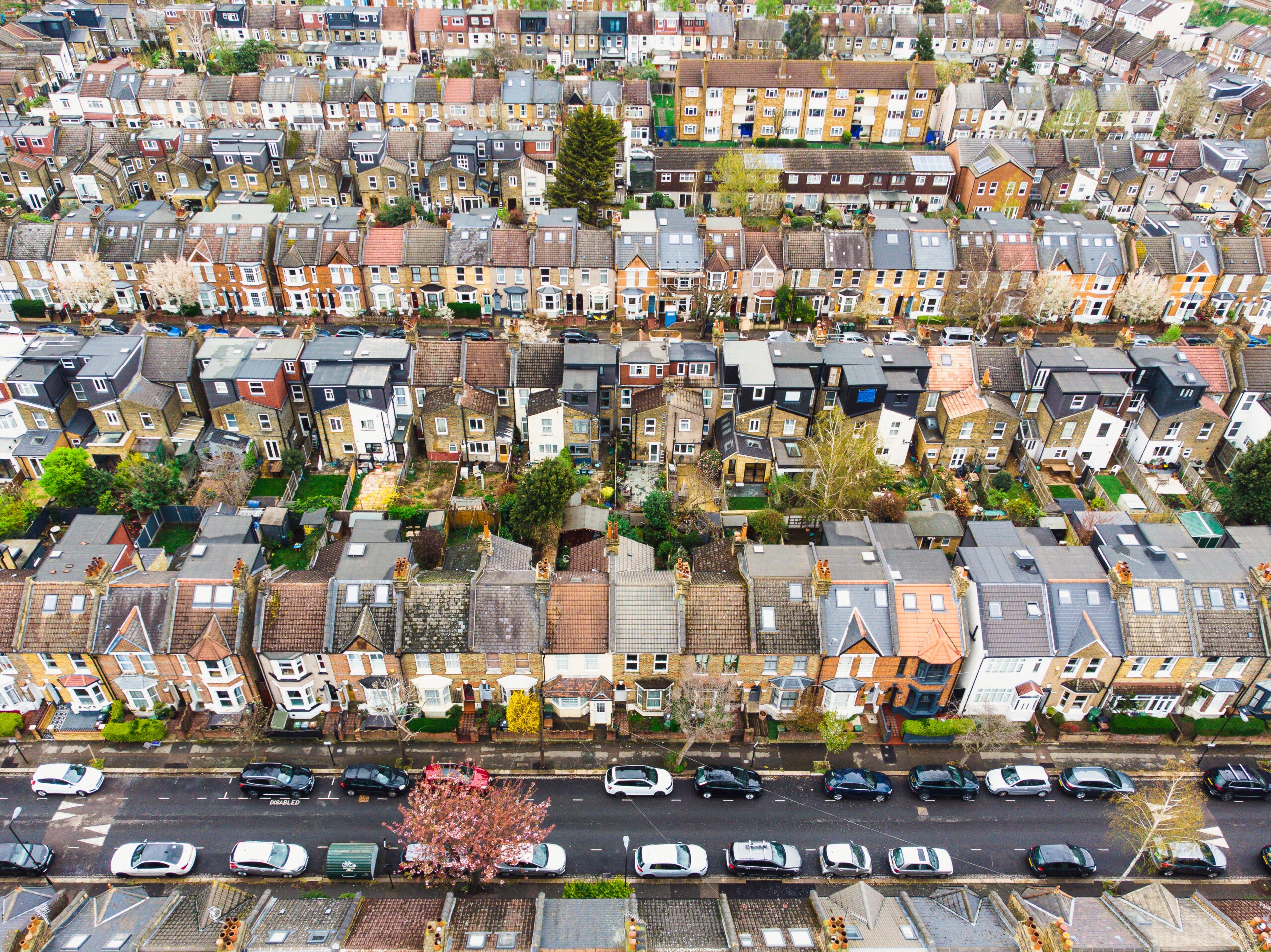
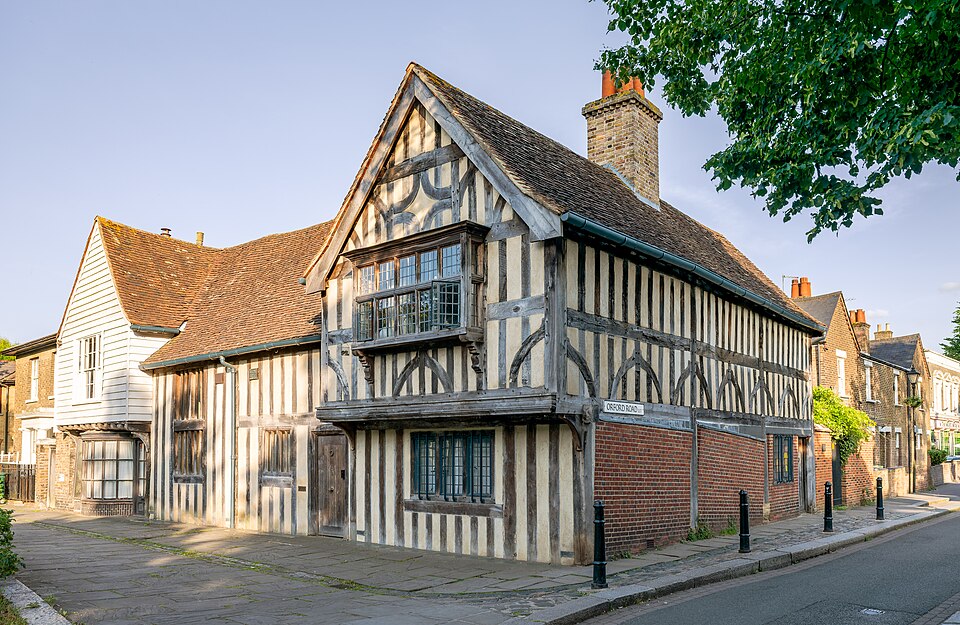
Walthamstow sits firmly in the mid-range of the East London corridor, between Leyton below it and Leytonstone above, with a median sold price of £567k (HM Land Registry). The median is a midpoint, not a floor — flats span roughly £115k at the cheapest end to £860k for the largest (typically £445k), while terraces run from £175k up to £2.17m (typically £735k). It is a deep, liquid market with genuine choice at most price points and a balanced mix of flats and family-sized Victorian and Edwardian terraces, so buyers rarely have to compromise on type or budget and sellers can price against real comparables. The one gap is detached houses, which barely trade — Walthamstow is effectively a flats-and-terraces market. Prices vary by pocket, too: the Village end (Orford Road and the E17 9 streets) commands a premium for its quiet, boutique feel, and Upper Walthamstow (E17 8) for its larger homes and proximity to Epping Forest, while the town centre near Walthamstow Central trades a little lower in exchange for the best transport.
What Your Budget Buys
Flats — a £445k median, ranging £115k to £860k — are mostly conversions of Victorian mansion blocks and three-storey terraces subdivided into a handful of units. Period features come as standard (original cornicing, high ceilings); newer purpose-built blocks are rarer. Ground-floor units offer lateral space but can suffer street noise on the High Street or Forest Road; upper floors are quieter. Almost all are leasehold.
Terraced houses — a £735k median across the widest spread of any type (£175k to £2.17m) — are the bulk of the market: two-storey Victorian and Edwardian homes, two to three beds, with narrow gardens and often off-street parking from converted side returns. Period features are common, but so are the survey issues that go with the stock (subsidence reports, roof repairs). Families favour the quieter streets — Greenleaf Lane, Hatherley Mews, Harland Road.
Semi-detached houses — around a £770k median, on a thin sample, so treat the figure as indicative — cluster north of Walthamstow (E17 8), closer to Epping Forest and the Chingford Road suburbs, with larger footprints, bigger gardens and standard off-street parking.
What Drives Values
Walthamstow’s value rests on a combination that’s hard to replicate at the price. What holds it up: the Victoria line’s fast, reliable run into the West End and City from Walthamstow Central, one of London’s most distinctive high streets (Europe’s longest outdoor street market), and a genuine creative identity — the William Morris Gallery, Lloyd Park, the E17 Art Trail and the Village’s independent scene. What tempers it: much of the gentrification uplift has already happened, so it’s now a mid-priced rather than a bargain corner of East London, and the flat-heavy stock carries the usual leasehold and service-charge drag. For buyers it’s a settled, amenity-rich market rather than a speculative one. The live median and by-type figures are in the cards above and on the price comparison page.
Leasehold vs Freehold
Almost all flats are leasehold. Lease lengths on Victorian conversions typically run 120–150 years; newer builds (2010 onwards) usually 999 years — check the term carefully and avoid anything under 75 years without a plan to extend. Ground rent varies (older stock can carry £50–£300 a year; new leases are capped at zero under the 2022 Leasehold Reform Act). Service charges are the figure to budget for: mansion-block conversions run roughly £1,200–£2,500 a year, and the newer purpose-built blocks around Walthamstow Central more still, for concierge, lifts and landscaping. Read the service-charge accounts before you offer. Terraced and semi-detached houses are predominantly freehold.
Rental Yields (Buy-to-Let Context)
Two-bed flats let for roughly £1,100–£1,400 a month and two-bed terraces £1,300–£1,700, putting gross yields in the low-to-mid single figures — modest, and driven more by capital value than by premium rents. Buy-to-let investors favour flats near Walthamstow Central for easy lettings to young professionals commuting on the Victoria line, while terraced houses target family renters drawn by school catchments and gardens. Tenant demand is steady and voids are short.
How Walthamstow compares nearby
Median sold price, all property types, against the nearest comparable areas we cover.
HM Land Registry · prices last updated 5 August 2026
Schools in Walthamstow
🏫 Primary
🏛 Secondary
Barclay Primary School
South Grove Primary School
St Mary's CofE Primary School
St Saviour's Church of England Primary School
The Woodside Primary Academy
Chapel End Infant School and Early Years Centre
Chapel End Junior Academy
Coppermill Primary School
Edinburgh Primary School
Greenleaf Primary School
Gwyn Jones Primary School
Henry Maynard Primary School
Hillyfield Primary Academy
Mission Grove Primary School
Our Lady and St George's Catholic Primary School
Roger Ascham Primary School
St Patrick's Catholic Primary School
Stoneydown Park School
The Winns Primary School
Thomas Gamuel Primary School
Thorpe Hall Primary School
Walthamstow Primary Academy
Whittingham Primary Academy
Walthamstow School for Girls
Frederick Bremer School
Holy Family Catholic School
Kelmscott School
Walthamstow Academy
Willowfield School
Data: Ofsted, 13 October 2026
Primary Schools
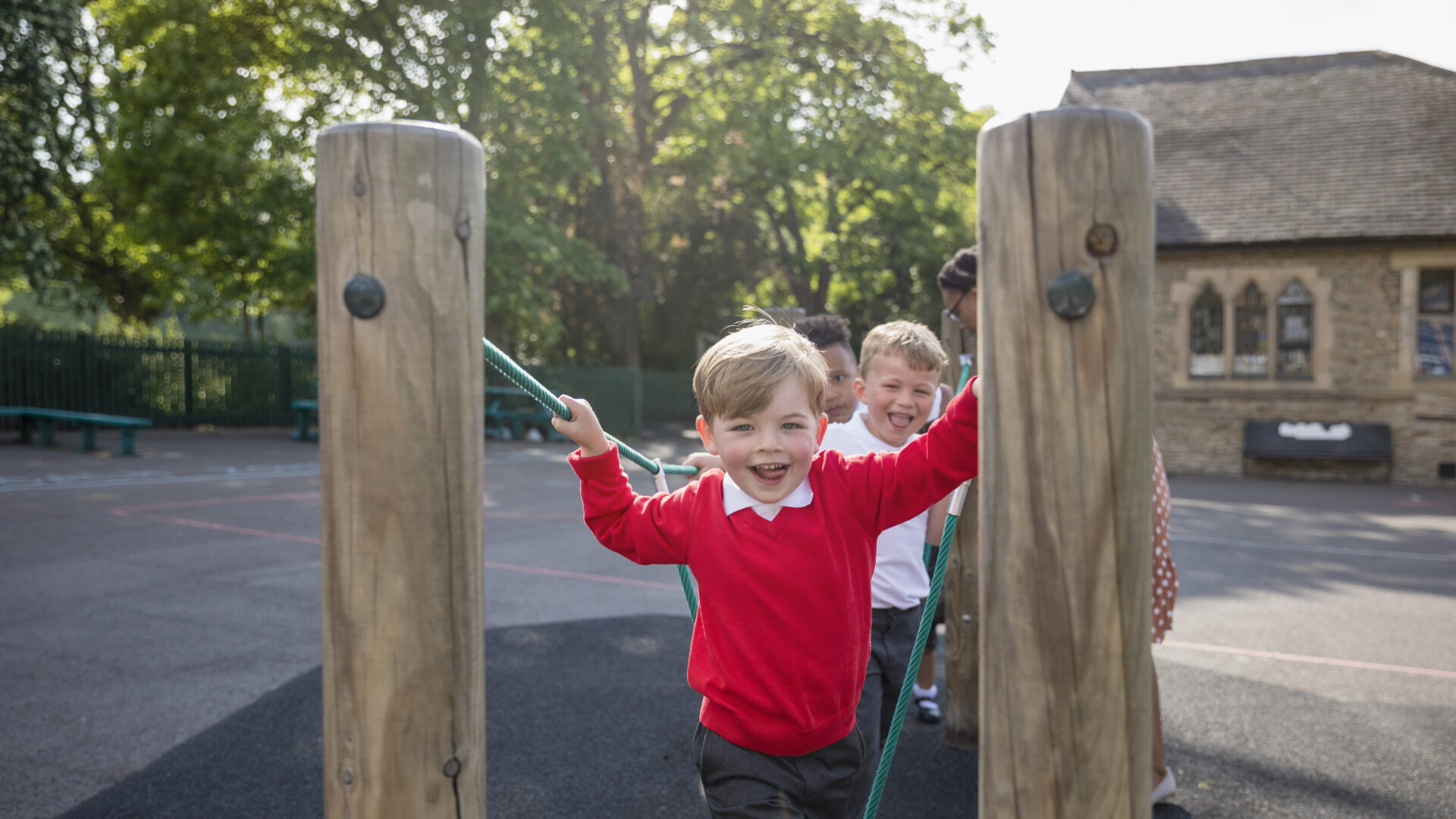
Waltham Forest’s primary provision ranks strongly across state sector: 83% of pupils meet expected standards in reading, writing and maths (vs 62% nationally, 2025 data). Walthamstow schools maintain this strong reputation. Key Walthamstow schools serving local catchments include:
Outstanding/Good performers: - Greenleaf Primary School — Ofsted Good (outstanding noted in reviews for pastoral care and community links). Catchment roughly Forest Lane to Leyton. - The Woodside Academy — Ofsted Good. Multi-form entry; modern curriculum; strong STEM provision. - South Grove Primary School — Ofsted Good. Smaller cohort; tight-knit community; strong music and art programmes. - Walthamstow Primary Academy — Ofsted tracking required (check latest inspection date; was “Good” as of 2024–2025).
Catchment reality: Waltham Forest oversubscribed across primaries. Reception places allocated via distance-based lottery (first preference within 0.5 miles gets priority). Many parents on Orford Road and Upper Walthamstow postcodes win places; High Street area less certain. Admissions appeal deadline March annually; winning appeals rare. Some parents move to catchment streets or investigate faith settings (Catholic, Church of England) for priority admission.
Private alternatives: Montessori, Waldorf, and tutoring-prep schools available; fees £3,500–6,500/year (reception–year 6).
Secondary Schools
Eden Girls’ School, Waltham Forest — Ofsted Outstanding (December 2024). All-girls state academy; Progress 8 score +0.94 (well above national average). GCSE: 73% Grade 5+ (strong pass equivalent) across English & maths. Oversubscribed; catchment roughly Waltham Forest-wide (school admissions apply borough-wide). Sixth form 30 places/year; mainly internal progression plus selective external entry. Music, drama, STEM notably strong.
Walthamstow School for Girls — Ofsted Outstanding. All-girls comprehensive; traditional grammar-school ethos. GCSE pass rate high. Oversubscribed. Sixth form 120+ places; selective. Located south end of High Street (within catchment walking distance for many).
Other secondaries: Trending “Good” to “Requires Improvement” (check latest Ofsted inspections; data refreshes annually). Most feed into local colleges (Waltham Forest College, Hackney Community College) for post-16 if schools lack sixth forms.
Sixth form: Limited sixth form provision in Walthamstow proper; most students progress to Eden Girls/Walthamstow School for Girls sixth forms or external college. Wider borough options via bussing or Overground.
Nurseries & Early Years
Waltham Forest provides 15 hours/week universal childcare (age 2–4, term-time); additional 15 hours available means-tested. Private nursery fees typical: £900–£1,300/month (full-time, 8am–6pm). Council-funded places highly competitive (postcode lottery); best to apply by end of preceding autumn term for spaces following September. Some primary schools operate nursery classes (easier transition to reception).
Catholic settings linked to denominational primaries (St Gabriel’s, St Helen’s) oversubscribed via faith admissions.
Walthamstow's school landscape carries real depth across Outstanding and Good provision — families weighing a comparable south-of-the-river profile should also look at Croydon, which reads in a similar register on both counts.
Transport & Commute: Walthamstow
Commute Times
Source: TfL Journey Planner, 2026. All times are station-to-station (boarding to alighting); add 5–10 minutes for walking to your nearest station and waiting.
Walthamstow's Victoria line service runs direct to Brixton without changing — the two end-to-end stops on the same line offer one of London's cleanest north-south commutes for readers comparing tube-first neighbourhoods.
The Headline: Victoria Line + Overground Dual Access
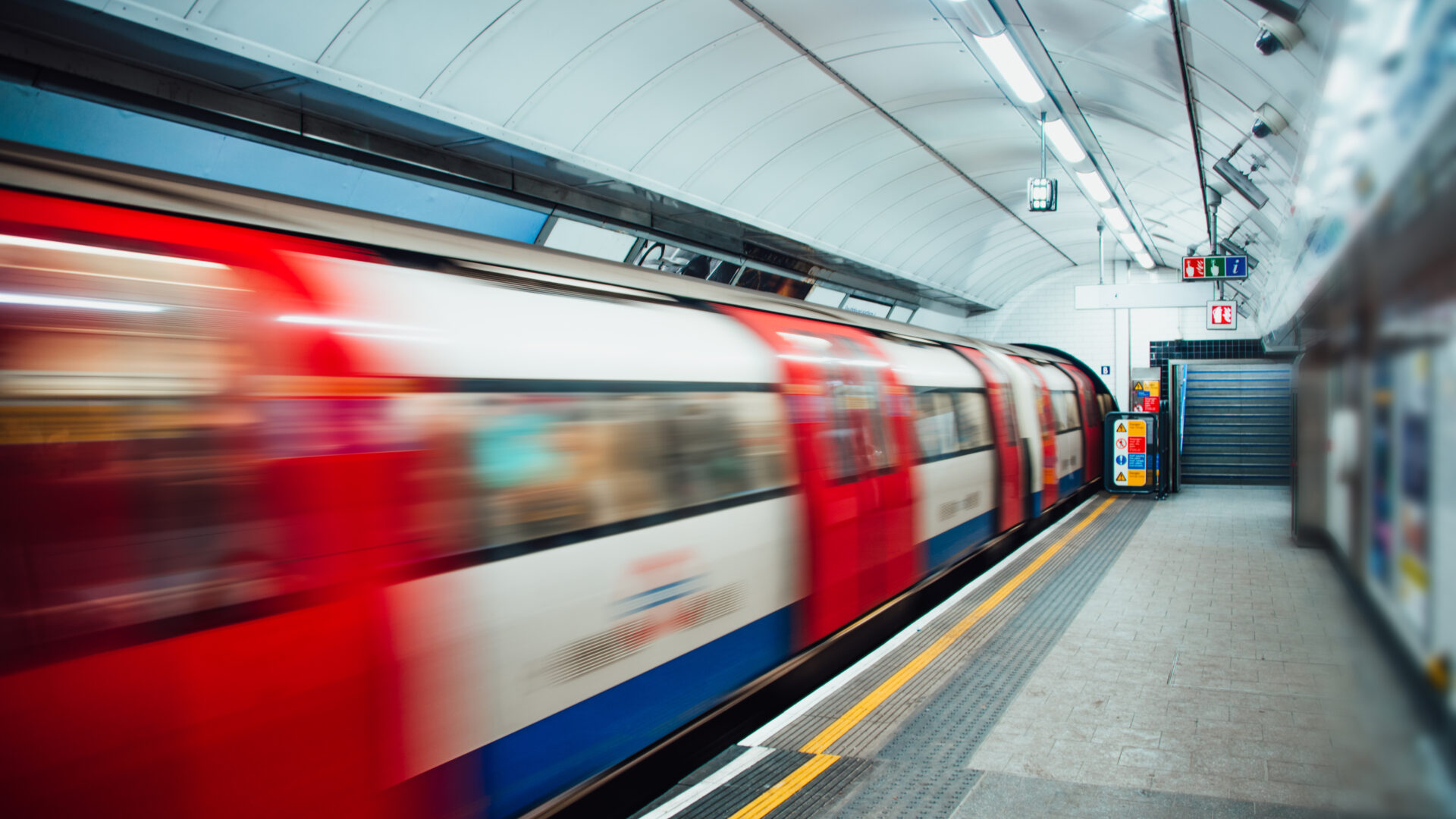
Walthamstow transport is anchored by the Victoria Line at Walthamstow Central — a direct 25-minute tube to Victoria station (City of London hub, mainline rail to Gatwick, South Eastern mainlines, Circle, District, and Jubilee interchanges). Trains run every 100 seconds at peak (5-minute frequency off-peak). Service runs 05:21–01:02 Monday–Saturday; 06:51–00:24 Sunday. Night Tube Friday–Saturday (all-night Victoria Line service, off-peak fares apply). Walthamstow transport connectivity makes commuting from the area highly efficient.
Secondary option: Walthamstow Queens Road (Overground, Suffragette Line) — one stop west, less frequent but useful for north-east trajectories (Chingford direction) or accessing Hackney Downs/Shadwell via interchange.
Commute Times to Key Destinations (off-peak, from Walthamstow Central)
| Destination | Route | Time | Notes |
|---|---|---|---|
| Victoria station | Victoria Line direct | 25 min | Walk Victoria mainline (2 min) for Gatwick, South Coast rail |
| Canary Wharf | Victoria → Jubilee at King’s Cross | 28 min | Finance district; cross-platform interchange |
| City of London | Victoria → Northern at King’s Cross | 26 min | Moorgate/Barbican finish |
| King’s Cross/St. Pancras | Victoria Line | 20 min | Mainline rail hub; Eurostar, Great Northern |
| Waterloo | Victoria Line → cross-platform Northern | 19 min | South Bank, rail connections |
| Green Park (West End) | Victoria Line | 12 min | Shopping, theatres, offices |
| London Bridge | Victoria Line → Northern | 22 min | South London finance, mainline |
| Gatwick Airport | Victoria → mainline | 35 min | Fast rail service (frequent departures) |
| Stansted Airport | King’s Cross Thameslink | 47 min | From Walthamstow via Victoria to interchange |
Off-peak vs peak: Morning commutes (07:30–09:30) on Victoria Line experience crowding; journey time often stretches to 25–28 min due to bunching. Evening (17:00–19:30) similarly congested. Off-peak journeys (10:00–16:00, after 20:00) smooth and fast.
Overground (Suffragette Line)
Walthamstow Queens Road station (one stop west on Overground). Frequency: every 12–15 minutes. Direction: heads north to Chingford (rural Essex), south to Shadwell (East London, interchange to DLR/Circle). Useful for avoiding Victoria Line queues during peak or accessing north-east/south-east London without central re-routing.
Bus Network
Comprehensive local coverage: routes 58, 120, 123, 158, 230 radiate across Waltham Forest, connecting to Leyton, Hackney, Chingford. Bus journey times to Victoria 45–65 minutes (slow during peak due to congestion on Hoe Street and High Street). Cross-town buses (123, 230) useful for accessing Epping Forest, Waltham Abbey side destinations without tube.
Walking & Cycling
Walking: Walthamstow Central to Orford Road Village, 15 mins on foot (pleasant; quieter Beech Hill Road route avoids busy High Street). Walthamstow Central to Lloyd Park, 12 mins.
Cycling: Walthamstow Marshes and Epping Forest immediately accessible via Lee Valley cycle routes (quieter, scenic paths). High Street busy with mixed traffic; side streets (Hatherley Mews, Thorp Road, Connaught Road) safer for cyclists. No dedicated segregated cycle lanes on High Street; CPZ permit zones mean fewer cars on residential streets (safer cycling).
Parking
Controlled Parking Zones (CPZ): Mon–Sat 08:30–18:30. Resident permit costs £150–200/year (Waltham Forest, 2025–26, varies by emissions band). Visitor permits £1.50 (scratch cards, max 100 per year). Most terraced homes include off-street parking (converted side returns, garages); flats typically 0.5–1 bay per unit. Street parking competitive on High Street and busy roads; quieter residential streets (Greenleaf Lane, Forest Lane) easier for informal parking.
New builds (2015+): Typically 1.2–1.5 spaces per unit (flats); some zero-car policies in car-club schemes (e.g., permitted parking via Zipcar subscriptions instead of owned vehicles).
Crime & Safety in Walthamstow
Top Concern
Source: Metropolitan Police via data.police.uk · Population: ONS Census 2021 · Updated monthly
The Context
Walthamstow’s recorded crime runs near the London average on a severity-weighted basis (the latest 12-month period, data.police.uk). On a residential basis — visitor and footfall theft set aside — the rate is 130 per 1,000 residents, also near the London average. This positions Walthamstow as middle-of-the-road for North-East London. Crime has not declined as sharply as South London areas but tracks similar patterns to Hackney and Leyton.
For context: High Street ward (Waltham Forest, 234 crimes) is the most incident-heavy; Endlebury ward (33 crimes) lowest-crime — a 201-crime spread reflecting geographic micro-variation. Upper Walthamstow (raw ward rate 79.4 per 1,000, 8th lowest-crime of 22 Waltham Forest wards — ward rates are not on the same basis as the headline figure above) markedly quieter than the town centre.
Crime Categories
Most common: Anti-social behaviour (noise, shouting, street drinking, nuisance parking), followed by violence and sexual offences (Jan 2026: 596 reports), and theft (robbery, theft from persons, vehicle crime).
Safer pockets: Upper Walthamstow (Greenleaf Lane, Harland Road, Upper Walthamstow Road postcode E17 3QH records 51.2 crimes per 1,000 residents on a raw count — low-crime rating). Orford Road Village area also quieter (residential; lower foot traffic; less night-time economy activity). These areas record closer to London average crime rates.
Riskier areas/times: Town centre around Walthamstow Central station and High Street (evening/night, especially weekends) sees elevated street crime and anti-social behaviour (street drinkers, night-time economy spill-out, minicab marshalling). Hoe Street and the High Street/Station junction particularly congested 22:00–04:00 Friday–Saturday.
Personal safety by time: Daytime (08:00–18:00) residents consistently report feeling safe. Evening (18:00–22:00) generally safe on residential streets; High Street busier but still manageable. Late night (23:00–05:00) becomes conditional: groups safe, solo travellers and lone women less so. Police presence increases weekends; plainclothes officers common near station.
Police & Intervention
Waltham Forest Police SNT (Safer Neighbourhood Team) operates visible patrols. Recent initiatives (2025–26) include increased stop-and-search on High Street, crackdowns on minicab touting, and business improvement district (BID) funding for CCTV expansion. Reporting crime: Online via police.uk (non-urgent); 101 phone line (slow, 10–15 min waits); 999 emergency.
Unlock the Complete Walthamstow Guide
You’ve seen the headline data. Get the full picture — detailed narratives, council costs, community character, and our editorial verdict.
- 🎓 In-depth school, transport & crime analysis
- 🏛 Council tax & parking costs
- 🏘 Community character & local vibe
- ⭐ Editorial verdict, value assessment & future outlook
- 📦 Moving practicalities
By unlocking, you’re happy for us to email you this guide plus the occasional helpful update from Property Around London. No spam — unsubscribe anytime.
Council Fees in Walthamstow
Council Tax (Annual)
| Band C | Band D | Band E |
|---|---|---|
| £2,122 | £2,387 | £2,917 |
Parking
Source: London Borough of Waltham Forest, 2026
Council Tax (Waltham Forest)
Waltham Forest’s Band D council tax is £2,387. Bands are set by the Valuation Office Agency (valuations as of April 1991, not updated). Most Walthamstow properties fall Band C–D; Upper Walthamstow semi-detached homes often Band D–E. Exact figures vary by postcode; verify via Waltham Forest Council tax search online.
Waste, Recycling & Bins
Fortnightly mixed recycling (co-mingled: paper, plastic, cans), fortnightly general waste, 4-weekly garden waste (opt-in, £50/year). Most streets have communal bins (blocks of flats) or provided wheelie bins (terraces). Garden waste often most economical via private bulk-waste collection (£80–120/year) rather than council scheme. No charge for standard waste disposal.
Parking, Permits & Traffic
Controlled Parking Zones operate High Street, Hoe Street, Forest Road, and surrounding streets (Mon–Sat 08:30–18:30, except some roads extended to 20:00 weekday evenings). Annual resident permit £146–181 depending on vehicle emissions band (Waltham Forest, 2025–26). Visitor permits £1.50 each (max 100/year per household). Most new builds include off-street parking; terraced streets rely on on-street competition. Congestion peaks afternoon school run (14:45–15:30) and Saturday shopping hours (10:00–15:00).
Planning & Development
Waltham Forest Council planning portal governs applications. Recent/ongoing schemes affecting Walthamstow: St James Street (mixed-use regeneration, offices + residential, decision pending 2026); Hoe Street improvement scheme (public realm upgrades, cycling infrastructure, phased 2026–28). Check Waltham Forest planning search for hyperlocal applications affecting your street.
Council Services Satisfaction
Waltham Forest’s overall council rated “Good” by Ofsted (2023). Library provision strong (Walthamstow Library on High Street: good reference collection, free WiFi, community events, youth programmes). Leisure provision via Waltham Forest Council. Fly-tipping, pothole reporting, and street cleansing handled via council app or 020 8496 3000.
Walthamstow Community Character
Walthamstow's village feel — the William Morris Gallery, the independent cafés along Hoe Street, the Saturday Wood Street market — finds a more urban, longer-established mirror in Hackney to the south.
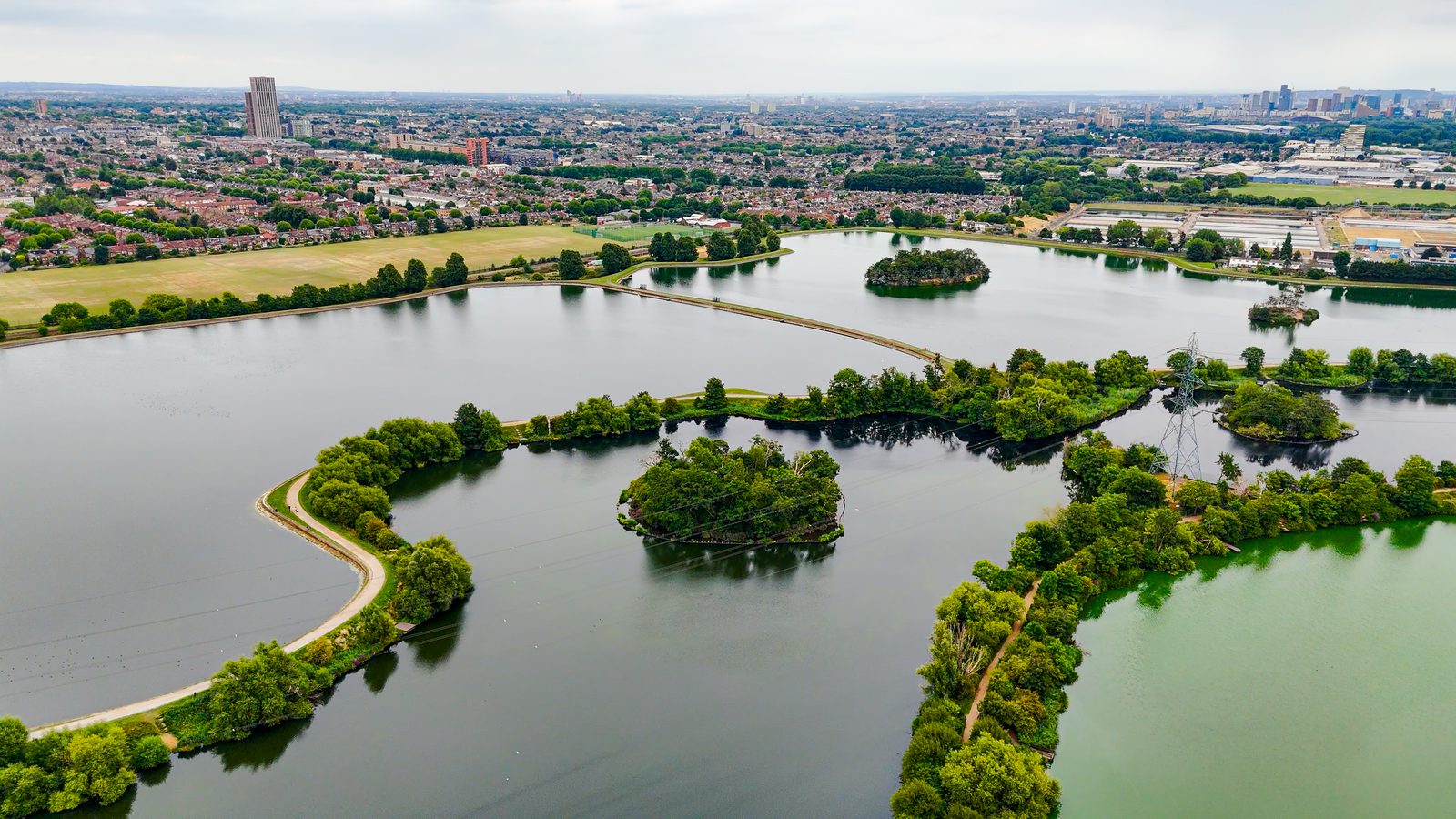
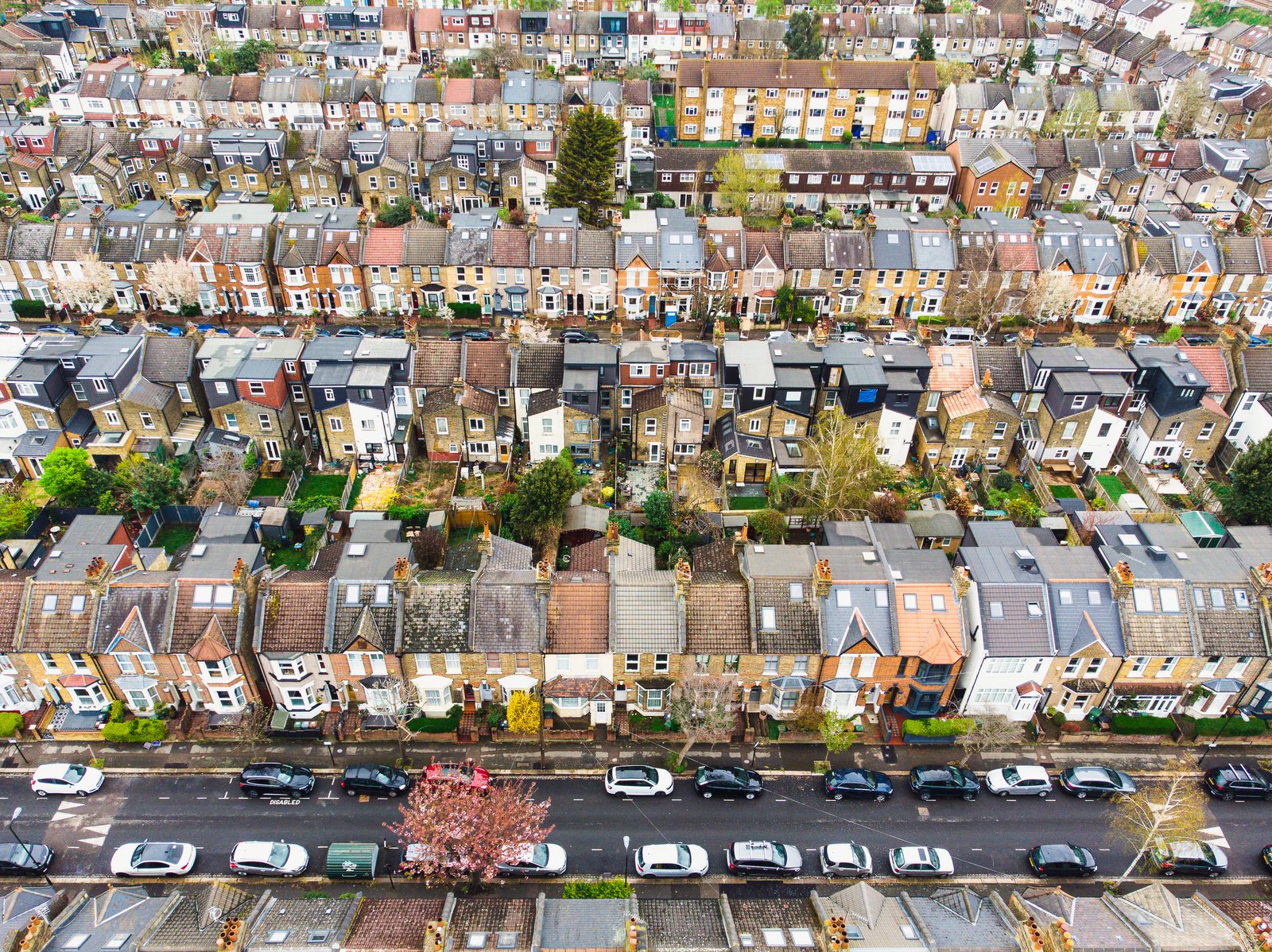
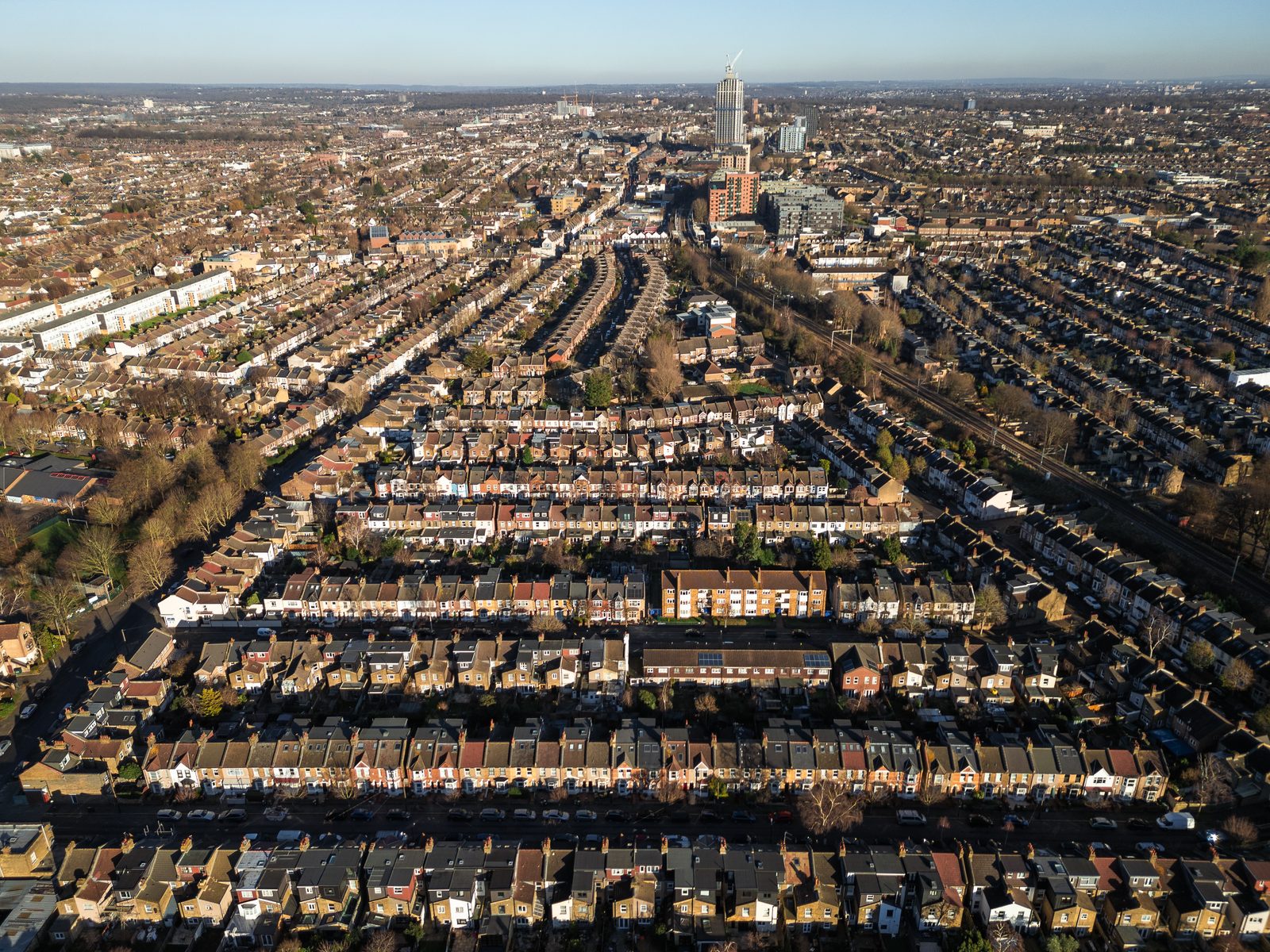
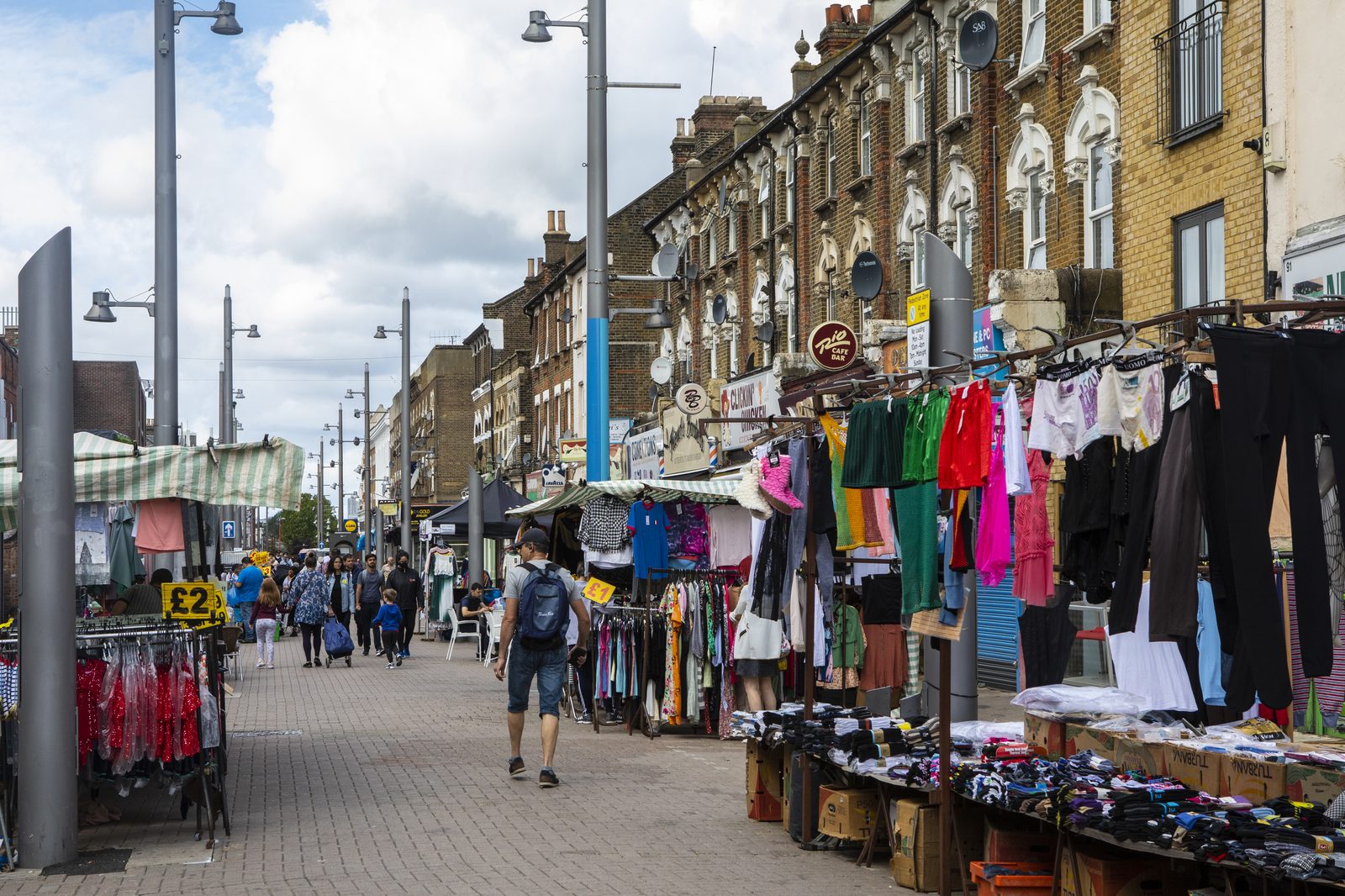
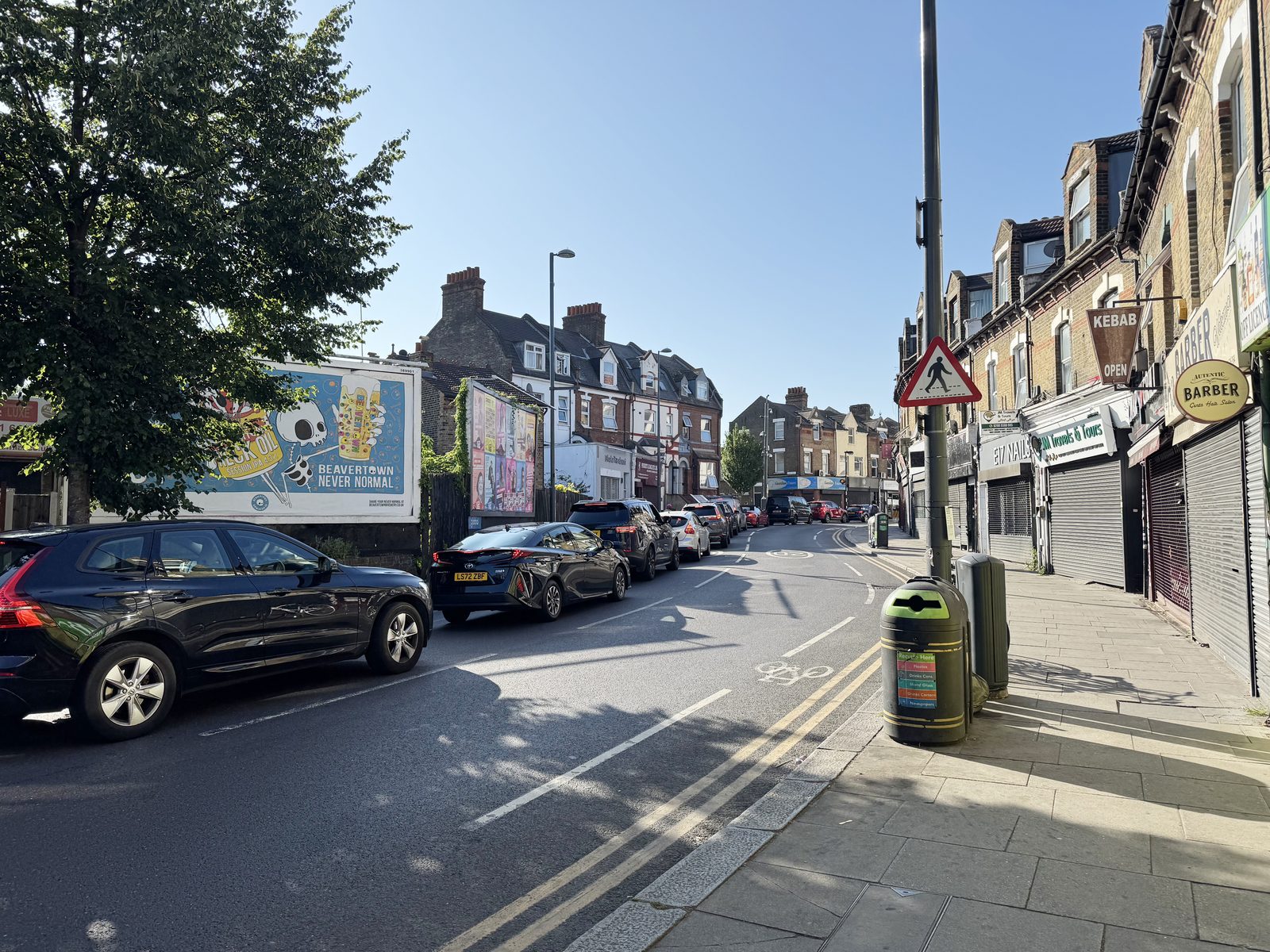
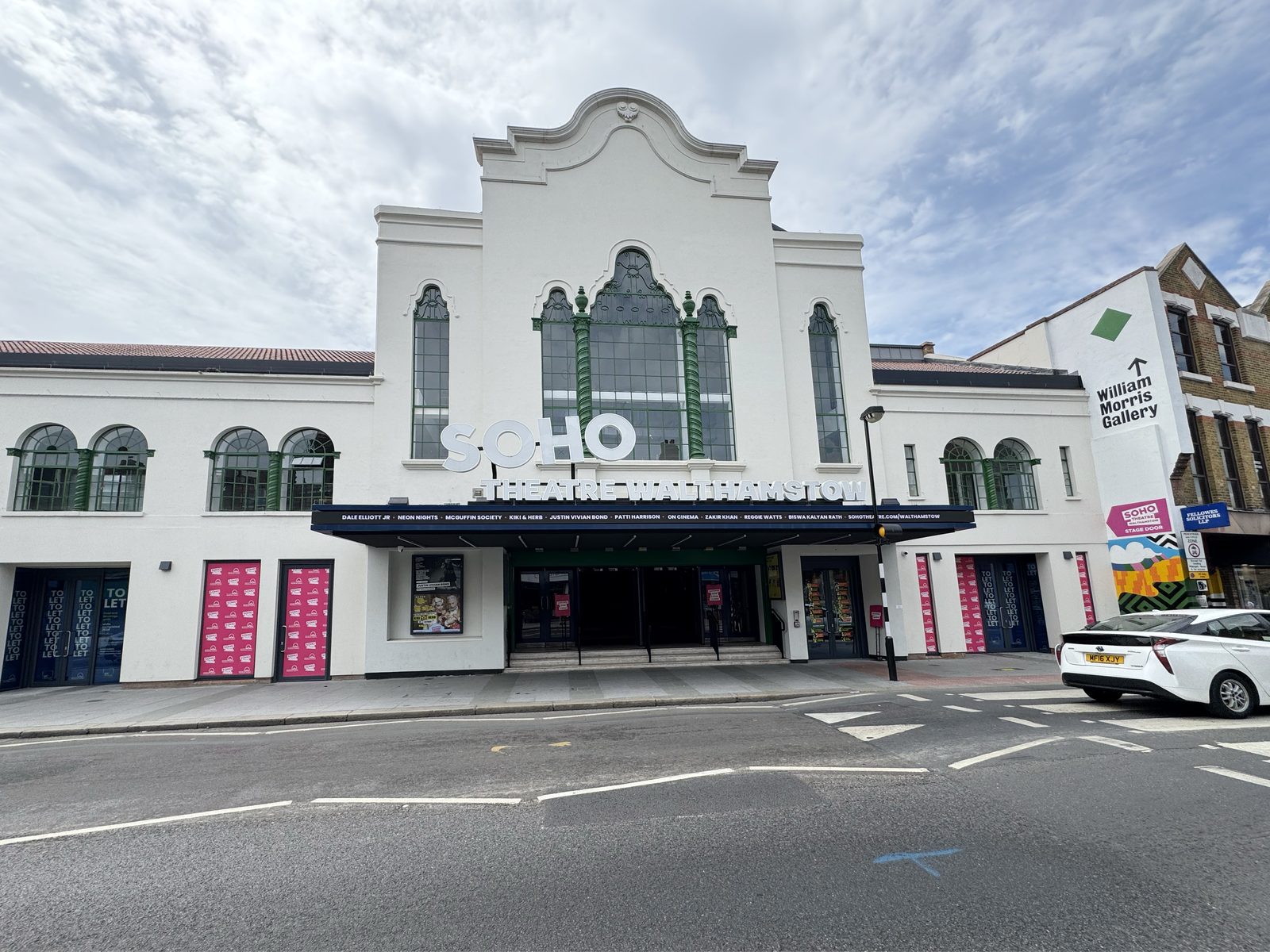
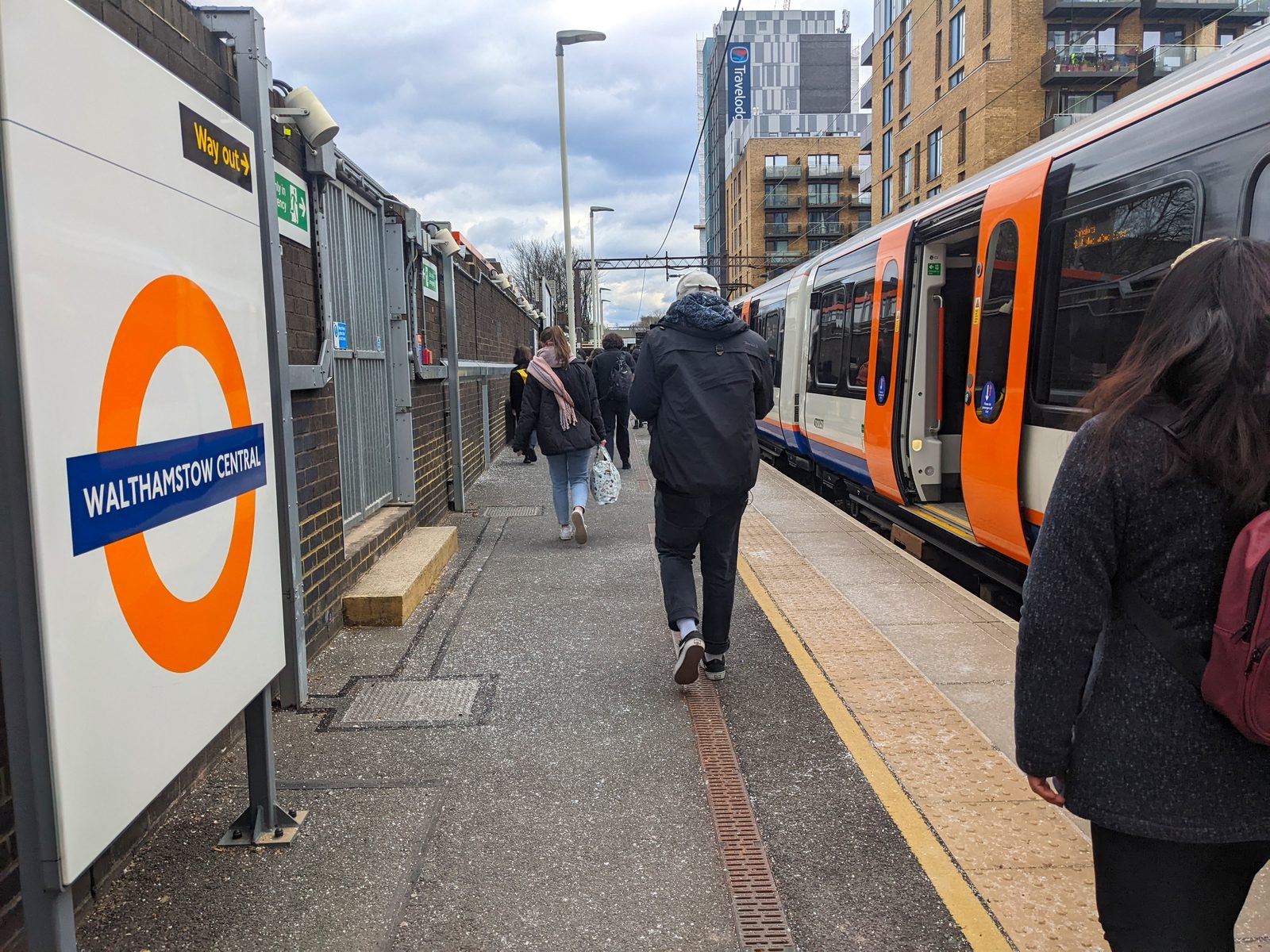
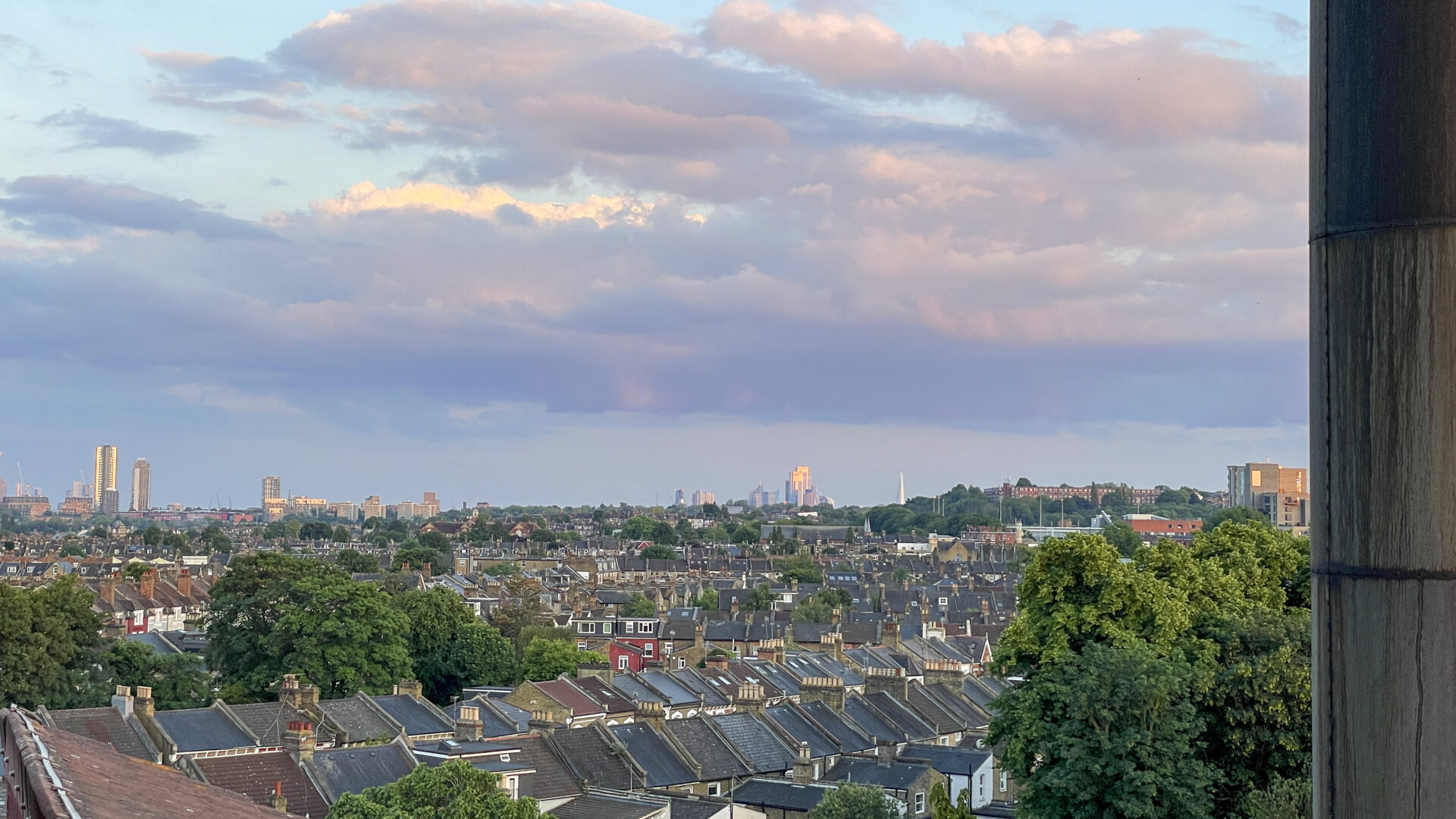
Walthamstow splits into two distinct personalities — a working town-centre core and a quieter, almost village-like residential heart. The transition happens at the eastern edge of Orford Road. At the heart of the town centre experience is Walthamstow Market, which defines the neighbourhood’s character.
Walthamstow Market on Saturday: The Sensory Experience
Walk down the High Street at 07:30 on a Saturday morning: market traders are assembling stalls (metal frames, fabric covers, bunting). By 08:00, the street transforms. Stalls cascade from Walthamstow Central station north for nearly a kilometre — a patchwork of striped canvas, hand-painted signs, cardboard boxes stacked high. The noise is immediate: vendors calling out prices (Caribbean accents dominant — “Come on, sister, fresh ginger!”), reggae and dancehall pumping low from speakers, the scrape of metal gates opening on shopfronts. The smell is vivid: jerk chicken grilling, curry spices (turmeric, coriander), tropical fruit (plantain, mango, passion fruit), sometimes petrol fumes from delivery lorries.
The crowd is dense by 10:00 — Caribbean and West African shoppers (elders, mothers with children, young people in groups), Eastern European buyers (Polish delis attract their own clusters), younger Londoners foraging for vintage clothes, students hunting cheap vegetables. The stalls themselves are low-margin, high-turnover: vegetables sold by the box, fish packed in ice, textiles stacked haphazardly (colourful prints, kente cloth, t-shirts £3–5). A few stalls are permanent fixtures (same traders for 20+ years, family-run); others rotate. The pace is bargaining-focused: prices drop 30 minutes before mid-day closing (13:00 Saturday), vendors wanting to clear stock rather than repack.
By 14:00, the market winds down. Shutters come down on stall-holders’ permanent shops; lorries collect unsold goods. The High Street quiets but remains busy with shoppers in Poundland, Iceland, betting shops, phone-card sellers, barber shops. The energy shifts from marketplace to high-street retail — less colourful, more utilitarian.
Orford Road Village: Evening Transition (Thursday–Saturday)
Walk Orford Road from the High Street end eastward at 17:00 on a Thursday: the High Street’s retail bustle fades. By halfway along (number 40+), the vibe changes. Shops become boutiques — independent bookshop (Pogo Books, indie children’s and adult stock), vintage clothing, plant shop, craft gallery. Pavements widen. Street noise drops. Restaurants and bars take over: Eat17 (spar-meets-bistro, 28–30 Orford Road, opened 2006 — original craft beer, fresh sushi counter, bacon jam signature dish), Trattoria La Ruga (Italian, intimate, 59 Orford Road, vegan options, outdoor tables), Froth&Rind (cafe/bar, cheeses and natural wines), The Nags Head pub (quiz nights, live jazz, hearty food).
By 18:30, the Village fills. Office workers escape the High Street; locals drift in for dinner. Tables spill onto pavements (weather permitting). Fairy lights strung above shops. The noise level rises but remains conversational — none of the market’s aggressive bargaining or the High Street’s traffic roar. Groups of friends, couples on dates, older locals at the Nags Head. Music bleeds from restaurants but doesn’t dominate the street. The architecture helps: Victorian terraces, shopfronts with character, narrower street (trees, no heavy lorries). By 21:00, it feels like a London village — busy but intimate, younger demographic (20–40s) dominant, creative/professional class noticeable.
By 23:30 Thursday, most spots close (restaurants shut 22:00–22:30 on weeknights; bars last orders 23:30). Late-night Orford Road is quiet, safe, well-lit by shop windows and street lamps. Distinctly different from High Street late-night (which becomes rougher, less controlled).
Five Anchors for Neighborhood Life
-
Eat17, 28–30 Orford Road (Walthamstow Village): The original spar-meets-bistro (opened 2006). Fresh sushi counter, craft beer selection 20+ lines, bacon jam signature. Breakfast (08:00–11:00), lunch, dinner. Casual, no reservations; seats ~80 inside, outdoor tables 12. Queue Saturdays 12:00–14:00; quieter weekday mornings. Mains £12–16. Embodiment of Walthamstow’s gentrified-but-unpretentious vibe.
-
Sodo Pizza, Hatherley Mews (Walthamstow Industrial Heart): Sourdough-specialist pizzeria in converted forge. 48-hour fermentation dough, seasonal produce sourcing (Islington, Dagenham, Leyton, Walthamstow). Natural wine focus; craft beer; weekend brunches. Intimate space (30 seats); no reservations; expect 20–30 min waits Friday evenings. Pizzas £12–15. Represents Walthamstow’s creative food renaissance.
-
Lloyd Park (Forest Road): 40-acre Victorian park (donated to council 1898, opened public 1900). Bowling green (Walthamstow Borough Bowling Club, sessions year-round), moat + island (site of Water House, now William Morris Gallery — childhood home of the Arts & Crafts founder). Sunday parkrun (free, timed 5k, 08:00 Saturdays/Sundays). Quiet playground, café, quiet reading areas. Central to Walthamstow’s park identity.
-
William Morris Gallery, Forest Road (inside Lloyd Park): Arts & Crafts pilgrimage site. Georgian villa (c.1750), Morris’s childhood home (1848–56). Collection 10,000+ objects: textiles, wallpapers, ceramics, metalwork, furniture, books. Open Tue–Sun 10:00–17:00; free entry. Current exhibition rotates (check website). Strong draw for designers, students, cultural tourists.
-
Walthamstow Marshes/Lee Valley Reservoirs (north of town, Overground accessible): SSSI designation (1985); 400+ plant and animal species. Birdwatching world-renowned: 54 key wetland bird species (2004–2009), 37 rare, including garganey, kingfisher, green sandpiper, grey heron, peregrine falcon. Walking trails, towpath access, visitor centre (Lee Valley Regional Park). Saturday morning birdwatching groups (Walthamstow Birders blog documents recent sightings). Most accessible via Queens Road Overground + 20-min walk or bus 230.
Seasonal Observations
Autumn (Sept–Nov): Market busiest (back-to-school uniform hunting, harvest vegetables, Caribbean food preparation for festivals). Marshes bird-watching season peaks (migration stopovers). Park trees golden. Evening crowd on Orford Road increases (darker evenings push people to dining/bars).
Winter (Dec–Feb): Market Christmas lights display (Dec), reduced stall count (cold, fewer traders); Marshes frozen occasionally (2023, 2025 hard frosts), birdwatching stays strong. William Morris Gallery quieter midweek; school holiday weeks busier. Park runs sparse except die-hard parkrun community.
Spring (March–May): Marshes breeding birds visible (nests, heron colonies); wildflower display along towpath. Market resumes full trader count post-Easter. Orford Road outdoor tables reappear (April+). Park busier evenings (lighter, warmer).
Summer (June–Aug): Market trades 7 days/week (tourist footfall). Orford Road buzzes outdoor dining every evening. Marshes peak birdwatching (swifts, breeding bird activity, dragonflies). Lloyd Park parkrun suspended summer holiday (resumes Sept). Street noise/energy peaks (school holidays, warm weather outdoor drinking).
Source: Google Maps, OS Open Greenspace & editorial research, 2026

Europe's longest street market meets village charm — Zone 3 affordability with Victoria line access and 90-acre marshes on the doorstep.
Walthamstow is the outer-east neighbourhood that punches above its weight.
Walthamstow scores 49/100 on the PAL Score — our weighted rating across six core criteria that define what makes a London neighbourhood work for buyers.
Score Breakdown
| Criterion | Score (/100) | What it means |
|---|---|---|
| Transport Connectivity | 46 | Victoria Line to Zone 1 in 25 minutes; Overground (Suffragette Line) dual access. Fast, frequent, reliable. Night Tube Friday–Saturday. |
| School Quality | 53 | Eden Girls Outstanding; Walthamstow School for Girls Outstanding secondaries. Primaries trending Good. Strong overall provision. Catchment competitive. |
| Property Price Affordability | 53 | £445k median flats; £735k terraces — cheaper than Hackney, good first-time buyer entry point. But period repairs common. |
| Green Space Access | 38 | Lloyd Park (14 hectares) immediately accessible. Epping Forest 2.5 km away (cycling, walking). Marshes accessible via Lee Valley routes. Good infrastructure. |
| Safety | 50 | Near the London average on a severity-weighted basis; residential rate 130 per 1,000, also near the London average with footfall theft set aside. Upper Walthamstow is quieter than the High Street; residential streets quieter still. |
| Local Amenities | 53 | Orford Road Village (independent shops, restaurants, galleries, arts scene). Walthamstow Market (daily, peak Saturday). Community character strong. Less nightlife than Hackney. |
Scores use the PAL 0–100 scale, z-score normalised across all London neighbourhoods.
What This Means
Transport (46/100) and schools (53/100) are Walthamstow’s headline strengths. A 25-minute Victoria Line commute to Zone 1 is fast and reliable; dual Overground access provides flexibility. School provision — Eden Girls and Walthamstow School for Girls both Outstanding — is strong for families.
Affordability (53/100) is compelling for first-time buyers (a typical flat sells for £445k, with cheaper stock from £115k — good value for inner London), but period properties need surveys and repairs can run £5–15k. Safety (50/100) is medium-range; Upper Walthamstow and residential streets are notably quieter than the High Street.
Walthamstow suits North-East London commuters, families prioritising schools, creatives drawn to Orford Road’s independent scene, and budget-conscious first-time buyers. If you need a polished neighbourhood, nightlife buzz, or western commutes, look at Hackney or Brixton instead.
Readers using Walthamstow as the value-forward Zone 3 option often look next at Stratford, the Olympic Park neighbour where regeneration has pulled prices and amenity density into a different register.
✗ May Not Suit
💰 Value Assessment
Walthamstow offers strong Zone 3 value on the Victoria line. The median sold price is £567k (HM Land Registry), with flats around £445k and entry-level flats from £115k. Waltham Forest is one of the few London boroughs in positive territory on the wider house price index, bucking the London-wide trend. Among PAL guides, Walthamstow is one of the few showing borough-level price growth right now.
Our Recommendation
Who's Walthamstow for?
Walthamstow makes sense if you:
- You want strong school provision at Zone 3 prices. Walthamstow runs 5 Outstanding primaries and 94% Good-or-Outstanding across the local set — the deepest primary-school landscape in our Zone 3 lineup. For families buying a flat around the £445k median — or below it, with stock from £115k — that depth is hard to match anywhere on the Victoria line.
- You use a King’s Cross or Liverpool Street commute. Walthamstow Central reaches King’s Cross in 16 minutes and Liverpool Street in 31 minutes on the Victoria line — guaranteed seat at the northern terminus. The Overground Weaver line from Walthamstow Queen’s Road adds cross-east London flexibility.
- You want village-and-market culture, not curated regeneration. Walthamstow Market is Europe’s longest daily street market and runs Tuesday to Sunday. The William Morris Gallery, the food and bar scene around Hoe Street, and the Saturday Wood Street market give the high street a distinct identity that’s grown organically rather than been engineered.
- You care about real green space, not pocket parks. Walthamstow Wetlands (211 hectares) and Walthamstow Marshes (a 90-acre Site of Special Scientific Interest) sit within walking distance of much of the postcode — genuine nature, not just a tidy square.
- You want a neighbourhood that’s improving on safety. Crime is in line with the London average but is falling sharply — one of the strongest 12-month improvements across our set. Residential streets in the Village pocket and Upper Walthamstow already record markedly lower rates than the high street and station area.
- You’re getting more for your money than Zone 2. Walthamstow flats have a median price of £445k (HM Land Registry, 12 months to March 2026) — meaningfully cheaper than Hackney one stop south, with comparable primary-school quality and the same Victoria line.
Look elsewhere if you:
- You commute south of the river. There’s no direct rail to Waterloo or south London — most south-bound commutes change at King’s Cross or Vauxhall, adding 15–20 minutes. If your office is in Southwark, Lambeth or Wandsworth, this matters daily.
- You want Zone 2 cachet and amenity density. Walthamstow is Zone 3, with a clear step-down in restaurant, café and nightlife density compared to Hackney or Stoke Newington. The trade-off pays back in school depth and price, but it is a real trade-off.
- You want low council tax. Waltham Forest’s Band D is £2,387 — above the inner-London average. Most local flats sit in Bands B–D, so this hits the monthly maths whether you rent or buy.
- You need an Outstanding secondary within walking distance. Walthamstow has 1 Outstanding secondary (Walthamstow School for Girls); other strong local options are Good rather than Outstanding. Families who weight secondary heavily often plan a move or widen the search by Year 6.
- You want consistent quiet. The high street, the market, and the station area are genuinely busy. Quieter pockets exist — the Village conservation area, Upper Walthamstow — but if you’re picturing a hushed suburban street, this is not the default.
The Real Picture
Walthamstow is for buyers who want school depth, Victoria-line access into King’s Cross and Liverpool Street, and a village-meets-market neighbourhood feel — at Zone 3 prices that still buy you a family-sized flat. The trade-offs are a higher council-tax band than the inner-London average, thinner secondary-school provision than primary, and no direct south-of-river rail. Readers using Walthamstow as the value-forward Zone 3 option often look next at Stratford, the Olympic Park neighbour where regeneration has pulled prices and amenity density into a different register. If you want Zone 2 cachet, Hackney is one stop south; if you want suburban quiet at a lower council-tax band, Morden makes the maths work harder.
Moving to Walthamstow: The Practical Side
Neighborhoods Within Walthamstow
High Street / Town Centre (E17 4, E17 5):
Most affordable; best transport access (Victoria Line at doorstep); noisiest (market, traffic, night-time economy). Terraces and mansion-block conversions dominant; school zone concentrated. Good for: commuters, young professionals, buy-to-let investors. Less appealing for: families seeking quiet streets, those noise-sensitive.
Orford Road / Walthamstow Village (E17 9):
Higher prices (+8–12% vs High Street); quieter residential; independent shops/restaurants; fewer families (older demographic on village fringes). Terraces with character; off-street parking common. Good for: professionals, empty-nesters, creative professionals. Slightly longer commute (10–15 min walk to station vs 5 mins from High Street).
Upper Walthamstow (E17 8 postcode):
Highest prices (£648k+ average); safer (Lower crime rates); semi-detached homes dominate; Epping Forest/Chingford Road suburbs feel; families common. Good for: families, those seeking space/green space proximity. Trade-off: further from station (20-min walk to Victoria Line), quieter nightlife.
Moving Logistics
Removals: Local removals firms (Waltham Forest) typically quote £1,200–1,800 for 2-bed flat move (3–4 hours). DIY van rental (Zipcar, U-Haul) £60–90/day if moving locally. Parking permit suspension for moving van available (apply Waltham Forest parking office 48+ hours prior). High Street addresses can be tight for large removals (narrow roads, limited kerbside space); plan early for weekend moves.
Utilities setup: Gas/electricity (British Gas, EDF, Octopus Energy all serve Walthamstow; dual-fuel £95–125/month typical 2-bed, prices rising 2026). Water (Affinity Water operates; ~£40–50/month). Broadband (Gigaclear, Sky, BT available; speeds 40–300 Mbps typical; £25–50/month). New smart meter installation takes 1–2 weeks; existing meters usually read remotely. Account setup typically takes 5–10 working days.
Schools registration: Waltham Forest admissions portal (online application, January deadline for September entry). State school application free; faith schools may require supplementary forms and church attendance letters. Most receive confirmations April. In-year admissions handled separately (10–15 day processing).
GP surgeries & healthcare: Register with local practice within 2 weeks (NHS requirement). Key practices accepting new patients:
- Walthamstow Family Health Centre (St James Street, E17 7QT) — large practice, standard 10–14 day appointment waits, extended hours Mon–Fri until 19:00.
- St James Street Family Practice (Forest Road) — smaller, personal continuity of care, similar wait times.
- Lloyd Park Medical Centre (adjacent Green) — walk-in slots Saturday mornings, NHS + private services.
Dentist availability is tight across Waltham Forest (as in most of London). Private practices usually quicker (£20–25 checkup; £150–300 treatment); NHS waiting lists exceed 18 months. Best to register private and claim back via dental insurance.
Council tax: Apply within 21 days of moving (online or post to Waltham Forest). Register to vote simultaneously (same portal). Most Walthamstow properties fall Band C–D; exact amount varies by postcode and property type (check Waltham Forest Council Tax search online).
Frequently Asked Questions
Common questions about living in Walthamstow, answered with data from our research.
Upper Walthamstow is quieter than the town centre (raw ward rate 79.4 per 1,000 — ward rates are not on the same basis as the headline figure for Walthamstow as a whole).
High Street 65+ dB weekdays (traffic, market), 70+ dB Saturdays (market, vendor shouting). Residential streets 50–60 dB. Orford Road 60–65 dB (bar spillage Thu–Sat evenings). Upper Walthamstow quietest (50–55 dB). Earplugs standard for High Street ground-floor flats. Double glazing (period sash windows) helps but imperfect.
Yes; Victoria Line crowding makes cycling appealing for commuters 3–5 miles. Lee Valley cycle route (Marshes/Overground accessible) safe and scenic. High Street busy but side streets (Hatherley, Thorp, Connaught Roads) manageable. Bike storage (secure U-racks, communal sheds in new builds) standard. No segregated lanes on High Street; road.cc forums report cautious riding necessary peak hours.
Walthamstow Market is best visited Saturday 10:00–12:00 (peak vendor selection, energy high, still morning quiet). Friday 16:00–18:00 (less crowded, good for browsing). Avoid Saturday 12:00–14:00 (chaotic peak) and Sunday (reduced stall count). Winter (Dec) Christmas lights display worth the crowds.
High Street: noisier, cheaper (£50–100k less), better transport access (5 min walk), more transient renters, market energy daily — check Walthamstow property prices here for entry-level flats. Orford Road: quieter, pricier, smaller communal feel, independent shops/restaurants, professional demographic, 10–15 min walk to station. Choose High Street for commute priority/budget; Orford Road for lifestyle/peace.
Yes. Orford Road: Trattoria La Ruga (Italian, intimate, vegan options), Sodo Pizza (sourdough, natural wine, weekend brunch), The Nags Head (pub food, jazz). High Street: Ruff’s Bistro (seasonal menu, opened late 2024), The Good Egg (Middle Eastern brunch). Hoe Street: Caribbean, Turkish, Thai, Indian options. Market food stalls (Caribbean curries, Vietnamese pho, Eastern European bakery) excellent value. Most independent restaurants cash-friendly; card payments increasingly standard.
Yes, with caveats. Lloyd Park (playground, bowling green, safe paths) excellent. Walthamstow schools provide strong provision (Eden Girls, Walthamstow School for Girls Outstanding). Nursery places competitive (postcode lottery for council funding). Upper Walthamstow (quieter, safer) more family-friendly than High Street. Trade-off: fewer soft play centres/trampoline parks than some London suburbs. Parks score: 7/10.
CPZ permit zones (£150–181/year, 2025–26) restrict daytime parking Mon–Sat 08:30–18:30. On-street spaces competitive, especially evenings/weekends. New builds have 1–1.5 spaces/unit; period properties often 0 or 1 on-street/garage space. Terraces with converted side returns (off-street bays) easier. Flats challenging; many residents pay for private car club (Zipcar) rather than own vehicles. Budget £2,500–3,500/year if buying off-street parking separately.
Peak-hour crowding (07:30–09:30): expect standing for 15–20 min average. Off-peak (10:00–16:00, after 20:00): seats usually available. Victoria Line crowding has worsened 2023–26 (passenger growth 8% YoY); TfL considering capacity upgrades (new trains proposed 2028–2030, no guarantee). Walthamstow transport options beyond the Victoria Line include Overground (Suffragette Line, less crowded, every 12–15 min) or cycling if seating is essential for your commute.
Unlikely. Walthamstow gentrifying (Orford Road boutiques, restaurant growth, property +6% YoY), but at slower pace than Hackney did 2010–2020. High Street remains working-class cultural anchor (market, Caribbean shops, betting/phone shops). No major corporate investment (vs Hackney’s Soho House, new student housing). More stable, less speculative than Hackney. Trajectory: gradual gentrification over 10–15 years, not rapid rebranding.
Data from HM Land Registry, Ofsted, Metropolitan Police & TfL. Page last regenerated 31 August 2026.
Moving to Walthamstow?
Get our free moving checklist and local tips delivered to your inbox.
No spam. Unsubscribe anytime.