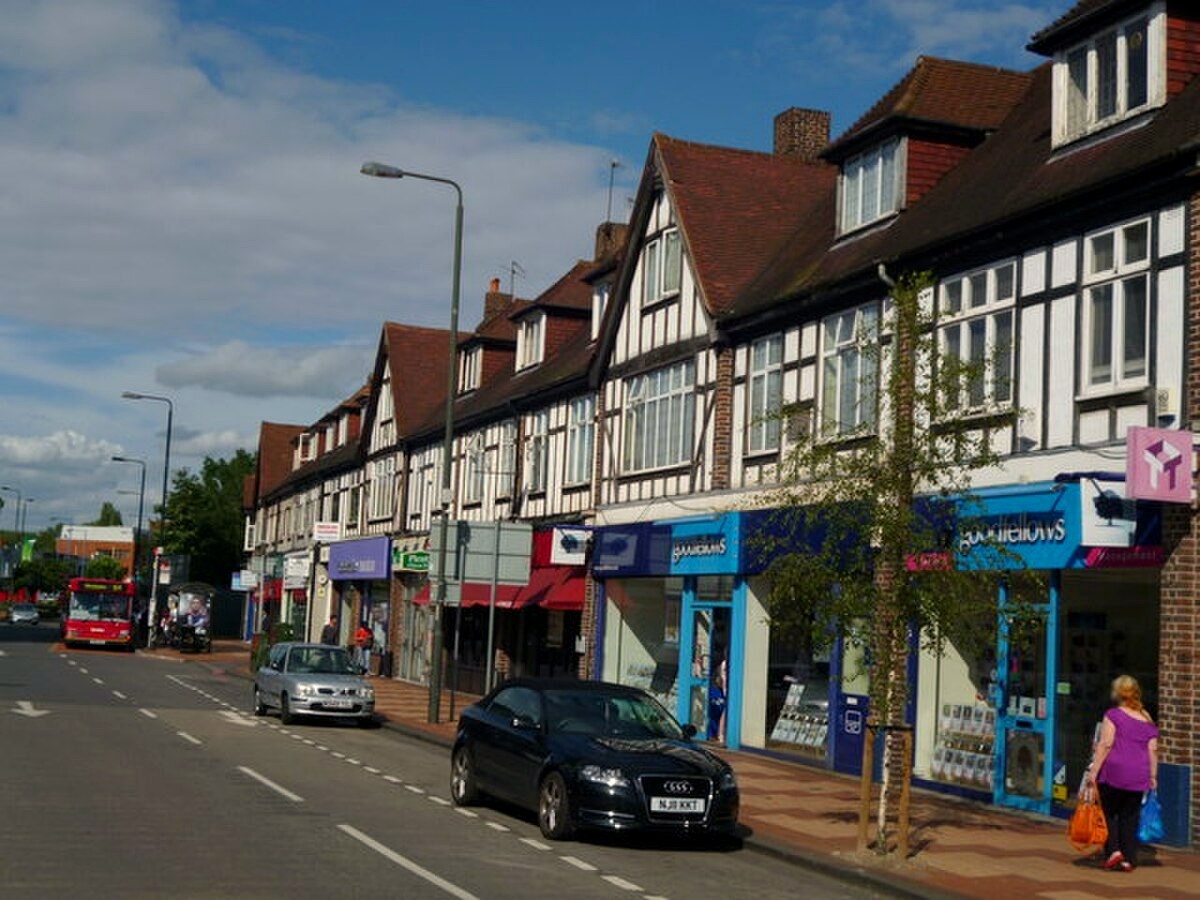
Property Prices in Morden
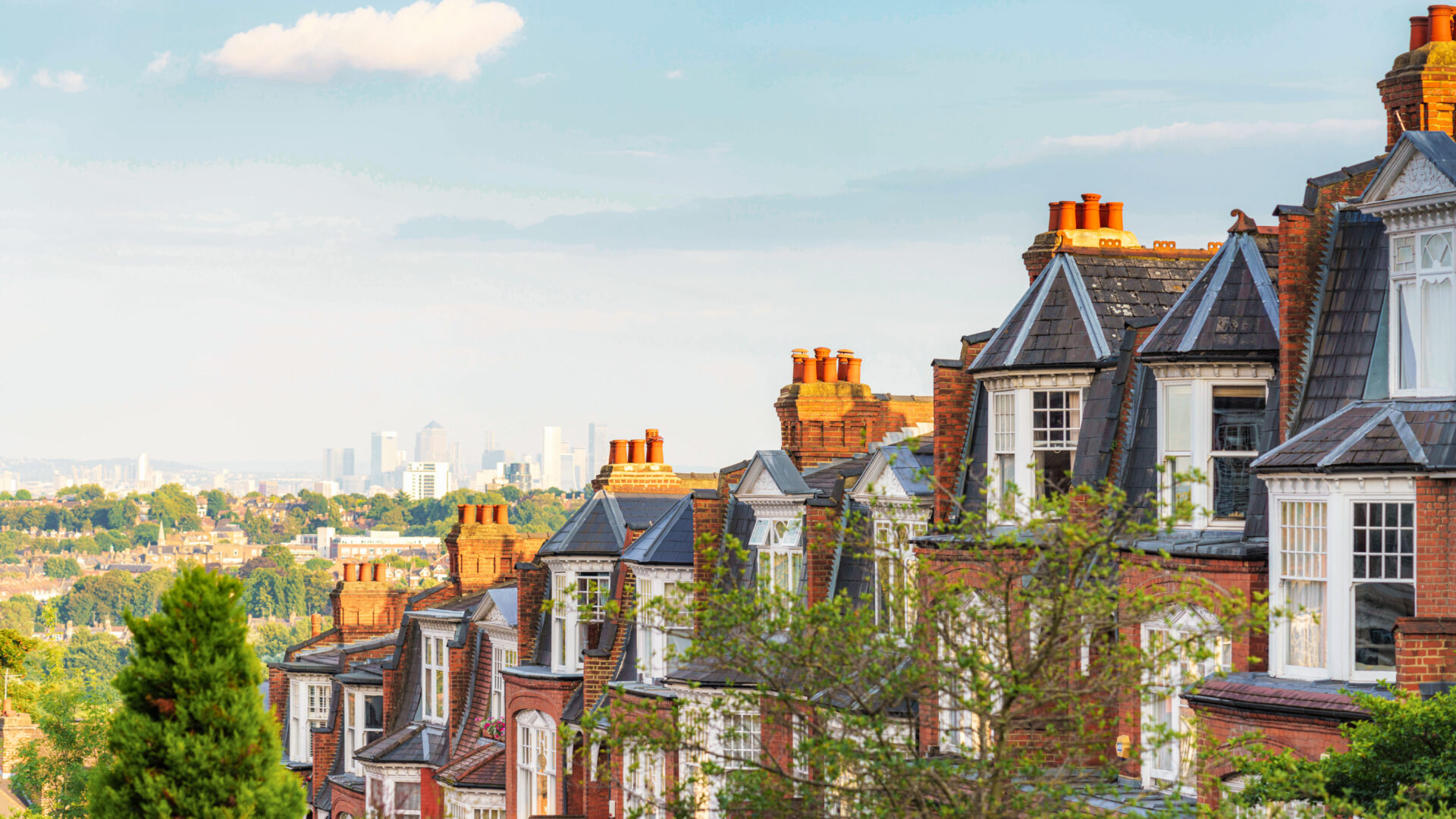
Source: HM Land Registry Price Paid Data — median sold prices over a rolling 12-month window
What Your Budget Buys
Source: HM Land Registry.
Flats in Morden average around £306k — for buyers chasing an even lower entry, Croydon offers a step down in price while keeping suburban character.
Market Position & Budget Bands
Morden represents exceptional value in south London — some of the most accessible family housing in Zone 4, sitting well below Wimbledon next door while sharing the same Northern line. The overall median sold price is £485k (HM Land Registry), and the market is decisively house-led: terraced houses do the heavy lifting and come up regularly, semi-detached family homes are steadier but scarcer, and detached houses barely trade at all. Turnover is moderate — you’ll usually have a handful of options in your bracket, but the market isn’t so deep that you can afford to be slow on a good terrace. The draw is the combination of affordability, the Northern line, good schools and green space, which makes Morden one of the best-value family bases within easy reach of central London.
What Your Budget Buys
Flats dominate the lower end of the market. The typical (median) flat sells for £306k (HM Land Registry), with prices running from £124k at the bottom to £625k at the top — so the median is a midpoint, not a floor. Smaller one-beds and ex-local-authority stock sit well below that midpoint; larger two-bed conversions and newer builds in converted Victorian properties push towards the upper end. Flats concentrate near Morden station and along Crown Lane, where affordable Zone 4 London living keeps entry-level ownership within reach of normal deposits.
Terraced houses — the backbone of SM4 — have a median price of £517k, with the type trading anywhere from £239k to £920k. Most 1920s–1950s three-bedroom terraces with gardens cluster around the median; the top of the range reflects larger, extended or better-located homes. Many retain period features: sash windows, tiled hallways, fireplaces. The roads off Abbotsbury Road and heading towards Ravensbury offer the best proportions and light.
Semi-detached properties pull the neighbourhood up to a median of £600k, with the type spanning £345k to £1.03m — the widest range of any house type here. These larger family homes — often four-bedroom with separate living/dining, often two bathrooms — are the sweet spot for families. Many have driveways and manageable gardens.
Detached houses are rare in central Morden but do exist in the outer reaches (towards Cannon Hill Common). We’d caution against reading any headline figure here: only a handful trade in a typical year, far too few to describe a real market. Treat detached pricing in Morden as anecdotal and view individual sales on their own merits.
What Drives Values
Morden’s value case is durable and simple. What holds it up: a Northern line terminus with a direct run into the City and West End, genuine affordability against neighbouring Wimbledon and Tooting, a solid bench of schools, and green space at Morden Hall Park and Cannon Hill Common — the combination that keeps first-time buyers and families priced out further in coming to look. What tempers it: it is Zone 4 and further out than the areas it’s often compared with, the townscape is more suburban than characterful, and turnover is only moderate, so a standout terrace can go quickly. For owner-occupiers this is a settled value-and-space market rather than a momentum play. The live median and by-type figures are in the cards above and on the price comparison page.
Leasehold vs Freehold
Most flats are leasehold with 80–120 year leases remaining (a critical issue — anything below 75 years becomes difficult to mortgage). Terraced and semi-detached housing is predominantly freehold, a significant advantage if you want no ground rent or freeholder interference.
Check service charges on leasehold flats carefully — £200–£350/year is typical for purpose-built blocks; older converted Victorians can surprise with £600+/year if the roof or windows need work.
Rental Yields (Buy-to-Let Context)
Morden attracts young professionals and families priced out of Wimbledon. Average rent for a two-bed flat sits at £1,100–£1,400/month; two-bed terraces at £1,400–£1,600. Gross yields hover around 4–5% — reasonable for south London, though not exceptional. The neighbourhood’s reputation for stability and schools appeals to longer-term tenants.
How Morden compares nearby
Median sold price, all property types, against the nearest comparable areas we cover.
HM Land Registry · prices last updated 5 August 2026
Schools in Morden

🏫 Primary
🏛 Secondary
Abbotsbury Primary School
Aragon Primary School
Hillcross Primary School
Joseph Hood Primary School
Malmesbury Primary School
Morden Primary School
St Teresa's Catholic Primary School
Harris Academy Morden
Data: Ofsted, 28 September 2026
Schools are Morden’s standout strength. The neighbourhood benefits from both strong state provision and unusual density of standout schools within walking distance — a rarity in Zone 4.
Headline Numbers
Morden schools are the neighbourhood’s standout strength, with exceptional density and quality:
- 4 primary schools rated Good within 0.5 miles: Poplar, Abbotsbury, Morden Primary, Joseph Hood
- 7 secondary schools rated Outstanding or above within 1.5 miles
This concentration matters — Morden schools provision is genuinely rare in Zone 4. Merton’s secondary outcomes sit comfortably above London average, and Morden’s position at the border with Wandsworth gives access to that borough’s excellent schools as well.
Catchment Reality
Morden sits in a complex catchment zone straddling Merton and Wandsworth boundaries. The key detail:
Primary: Abbotsbury and Morden Primary are Merton schools with Morden-specific catchments (watch their distance lotteries — both are popular). Poplar technically sits in Merton Park (adjacent) but does accept Morden students under lottery. Joseph Hood (Merton) sits 0.4 miles away and is Good-rated.
Secondary: This is where Morden shines. Ricards Lodge High School (Outstanding, Merton) and Graveney School (Outstanding, Wandsworth) both draw Morden students. Harris Academy Morden itself (Outstanding, Merton) is on your doorstep. The competition is genuine — these schools don’t over-select — but the supply is remarkable for Zone 4.
Note: Wallington County Grammar School (Outstanding, Croydon) also draws some Morden families as a grammar option, though it requires the 11+ exam and sits 2 miles away.
Faith & Independent Options
- St Mark’s Church of England Academy (Outstanding, 1.2 miles) — Merton, with an Anglican admissions thread
- Independent: no schools within Morden itself, but Wimbledon has several within reach (Marymount, Wimbledon High, Nonsuch, Epsom College)
Nurseries
Morden has adequate private nursery provision (Google Maps lists 15–20 options across centre and residential roads). Most charge £900–£1,400/month for full-time care. Many are above or adjacent to shops on London Road or tucked into quiet roads near the primary schools.
The Verdict on Schools
If you have or plan children, Morden schools represent genuine value. The school quality is worth 3–5% of your house price. The combination of strong local primaries and an unusual glut of Outstanding secondaries — Ricards Lodge, Graveney, Harris Morden — makes it genuinely difficult to get this elsewhere in Zone 4. Families do stay here because of schools, not despite living in Morden. This is why Morden schools draw families specifically to the area and justify the move south of the river.
Morden's school scene is compact but broadly well-rated — families weighing a similar small-but-solid profile should also look at Peckham, where the Outstanding share sits in a comparable range.
Transport & Commute: Morden

Commute Times
Source: TfL Journey Planner, 2026. All times are station-to-station (boarding to alighting); add 5–10 minutes for walking to your nearest station and waiting.
Morden anchors the southern terminus of the Northern line — Walthamstow plays the same role on the Victoria line up north, giving both neighbourhoods end-of-line breathing room and a direct ride into central London.
Morden transport connectivity centres on the Northern Line, which defines the neighbourhood. Everything else hangs off it. For commuters, Morden transport access represents one of the best value-for-transport-quality ratios in south London.
Commute Times to Central Hubs
| Destination | Mode | Journey Time | Notes |
|---|---|---|---|
| Bank (City) | Northern Line direct | 31 min | Peak; via Tottenham Court Road 26 min |
| Canary Wharf | Northern Line + Elizabeth/Jubilee | 36 min transit | Requires interchange at Bank or Canada Water |
| Victoria | Northern Line + interchange | 24 min transit, 42 min total | Useful for Victoria mainline |
| King’s Cross | Northern Line direct | 33 min transit, 51 min total | One change at most |
| Stratford | Northern Line + Elizabeth Line | 40 min transit, 60 min total | Elizabeth Line connection at Tottenham |
| Heathrow | Bus/Tram/National Rail | 90 min+ | Gatwick faster (121 min via Morden South Rail) |
| Gatwick | Morden South Rail + Thameslink | 51 min transit, 121 min total | Workable but slow |
Peak hours reality: Allow an extra 8–12 minutes on the Central Line leg (Bank) during rush hour (0730–0930, 1700–1930). The Morden branch of the Northern Line is less congested than the main trunk.
Morden Underground Station
The terminus has two lifts serving ~800 peak passengers, which can create queues during morning/evening rush hours (expect 3–5 min waits Tuesday–Thursday 0820–0900). Weekends and off-peak are faster (2–3 min waits). Gender-neutral toilet with baby-changing facilities opened in 2024. Platforms are well-lit with live departure boards.
Weekend & Night Service
- Weekends: Every 4–5 minutes, 0630–0030
- Weekdays off-peak: Every 5–7 minutes
- Night buses: 3 routes (80, 93, 154) run 24/7 with reduced frequencies (every 15–20 mins, 2300–0600). No night tube on the Northern Line branch.
Walking & Cycling
Morden is walkable for daily errands: station to High Street (3 mins), to schools (7 mins). Cycling to Central London is possible but slow (50–60 mins to Bank). Most cyclists use bikes for last-mile trips to other transport hubs. The Wandle Trail offers excellent flat recreational cycling (12.5 miles total, traffic-free sections to Ravensbury).
Driving & Parking
Morden is served by Controlled Parking Zone (CPZ) on and around London Road:
- Resident permit (annual): £135
- Second vehicle: £185
- Visitor permits: £5/day
- Hours: Mon–Fri 10am–4pm (not enforced evenings/weekends)
Off the CPZ (residential roads away from the station), parking is unrestricted and generous — most roads have sufficient kerbside space. You won’t struggle to park a second car on side roads. The CPZ itself targets commuter overspill.
Traffic: Morden sees moderate congestion around the station (0730–0900, 1700–1930) but is far less gridlocked than Wimbledon. London Road can feel sluggish in peak hours due to bus and HGV volume.
Accessibility & Mobility
Morden station has lifts for wheelchair users and pushchairs; peak-hour queues can be frustrating. The neighbourhood is relatively flat (minimal steep hills), with standard-width pavements suitable for mobility aids. Morden Hall Park trails are accessible via the Rose Garden entrance.
Crime & Safety in Morden
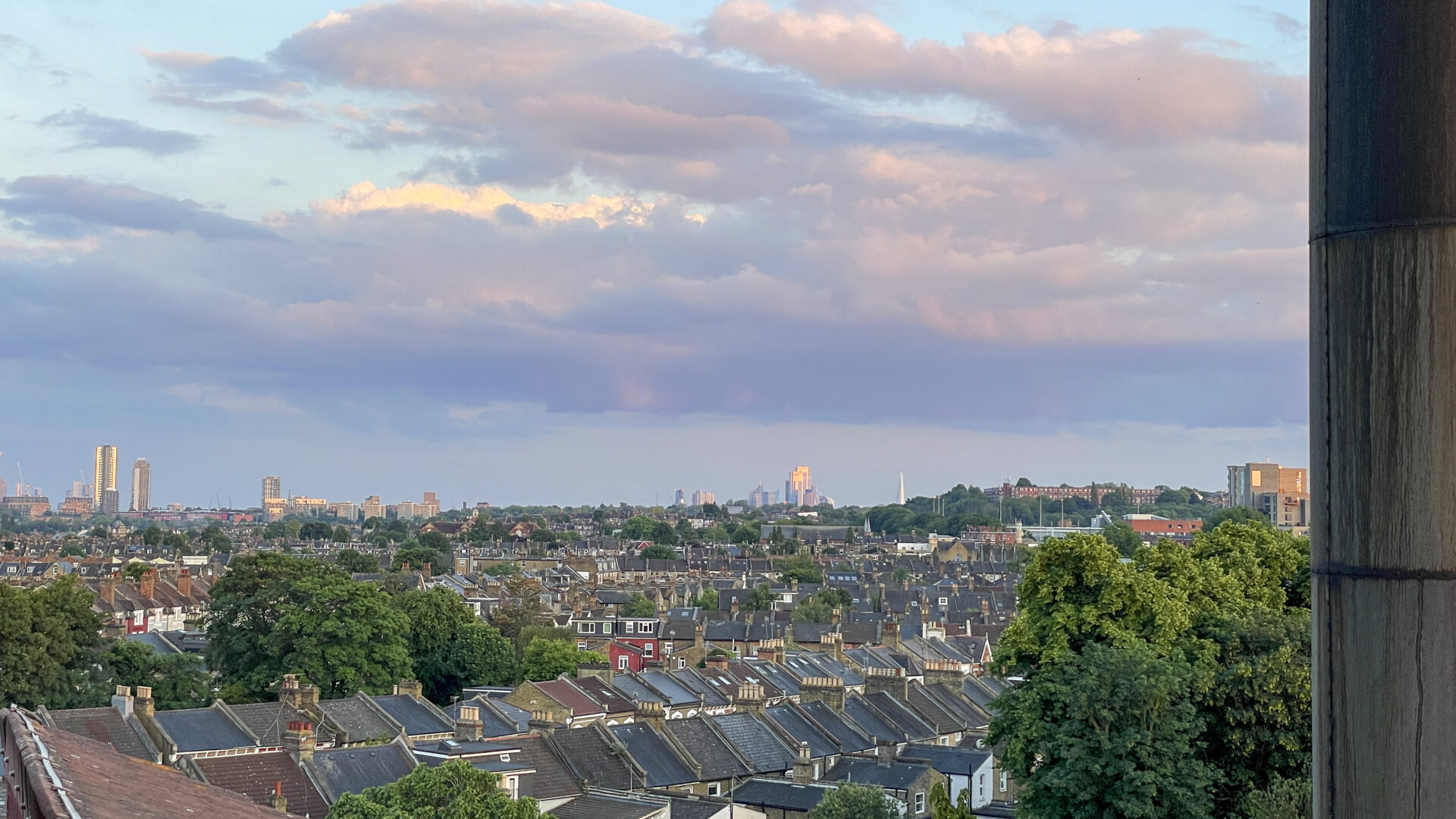
Top Concern
Source: Metropolitan Police via data.police.uk · Population: ONS Census 2021 · Updated monthly
Morden sits below the London average for crime — a genuine asset often overlooked in property guides.
The Numbers
- Residential crime rate: 62 per 1,000 residents (the latest 12-month period, data.police.uk)
- Compared with London: 48% below the London average, severity-weighted, with visitor and footfall theft set aside
- PAL Safety Score: 92/100
- 12-month trend: +3% (increasing, but modestly)
- 5-year trend: Stable (no significant increase or decrease)
- Burglary rate: 2.6 per 1,000 residents (data.police.uk, 12 months to June 2026) — burglary only, on a raw count; not directly comparable with the severity-weighted all-crime figures above.
- Overall assessment: Safe for London
Where Crime Concentrates
Most crime clusters near Morden town centre (London Road and the station area) — the usual retail, nighttime economy footprint. Residential streets away from the high street see notably lower incident rates. The worst roads are typically those with takeaways and late-night venues; quiet residential roads (most of the neighbourhood) are meaningfully quieter.
Anti-social behaviour is reported as low in residential areas. Weekend noise complaints exist (it’s London) but aren’t flagged as a standout issue.
Specific Crime Categories (Top 3)
Based on Metropolitan Police data (police.uk):
- Theft from vehicles (concentrated at station/town centre)
- Burglary of dwellings (scattered, not concentrated in one ward)
- Vehicle-related theft (opportunistic, mostly near station)
Violent crime is notably below borough average. Sexual offences follow London-wide patterns (low-incident, widely dispersed).
The Context
Morden’s low crime score reflects:
– A family demographic (lower transience, community investment)
– Proximity to police stations (Morden has a local police base on Crown Lane)
– Lower nightlife economy than Wimbledon or Clapham
– Better-lit streets and pedestrian visibility than more isolated Zone 3 areas
This is not a neighbourhood with zero crime (nowhere in London is), but it’s one where you can walk home from the station at 22:00 without unusual caution.
Unlock the Complete Morden Guide
You’ve seen the headline data. Get the full picture — detailed narratives, council costs, community character, and our editorial verdict.
- 🎓 In-depth school, transport & crime analysis
- 🏛 Council tax & parking costs
- 🏘 Community character & local vibe
- ⭐ Editorial verdict, value assessment & future outlook
- 📦 Moving practicalities
By unlocking, you’re happy for us to email you this guide plus the occasional helpful update from Property Around London. No spam — unsubscribe anytime.
Council Fees in Morden
Council Tax (Annual)
| Band C | Band D | Band E |
|---|---|---|
| £1,903 | £2,141 | £2,616 |
Parking
Source: London Borough of Merton, 2026
Morden sits in the London Borough of Merton, one of London’s better-performing councils on waste and planning turnaround (though not exceptional).
Council Tax (2026/27)
| Band | Annual Amount | Monthly |
|---|---|---|
| A | £1,427 | £119 |
| B | £1,665 | £139 |
| C | £1,903 | £159 |
| D | £2,141 | £178 |
| E | £2,616 | £218 |
| F | £3,092 | £258 |
| G | £3,568 | £297 |
| H | £4,281 | £357 |
Most Morden properties fall in bands C–E (typical three-bed terraces and semis sit in band D, £2,141/year) (London Borough of Merton, 2026/27).
Waste & Recycling
Fortnightly collection (general waste and recycling co-collected); garden waste subscription £95/year. Bins are reliably collected though Merton’s 34% recycling rate matches London average.
Parking Permits & Planning
Resident permit £135/year (valid CPZ, Mon–Fri 10am–4pm); second vehicle £185. Merton allows standard permitted development (no blanket Article 4), so recent shopfront changes and extensions on London Road didn’t require planning permission.
Schools Admissions & Local Services
Primary admissions apply October (offers April); oversubscription is high for top primaries. Secondary admissions involve Merton + Wandsworth coordination (Morden sits at the borough boundary). Merton is a two-star council (Ofsted 2021) — functional, reliable waste collection, stable planning processes. Council tax is cheap and services are dependable.
Morden Community Character
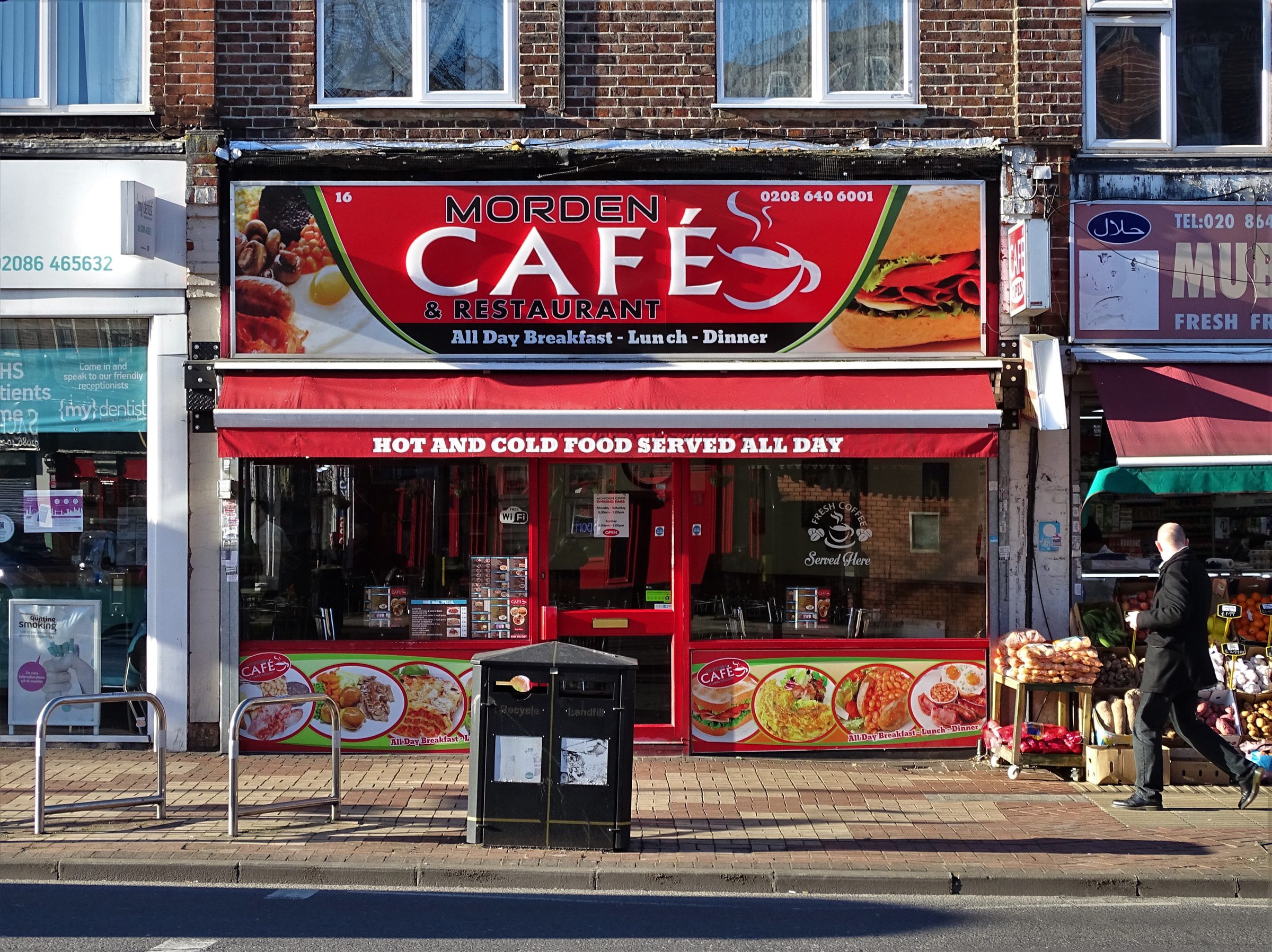
Morden's family-friendly outer-London feel — Saturdays at the park, quiet streets, local cafés — finds an eastern echo in Walthamstow, another borough where the village-feel vocabulary lands accurately.

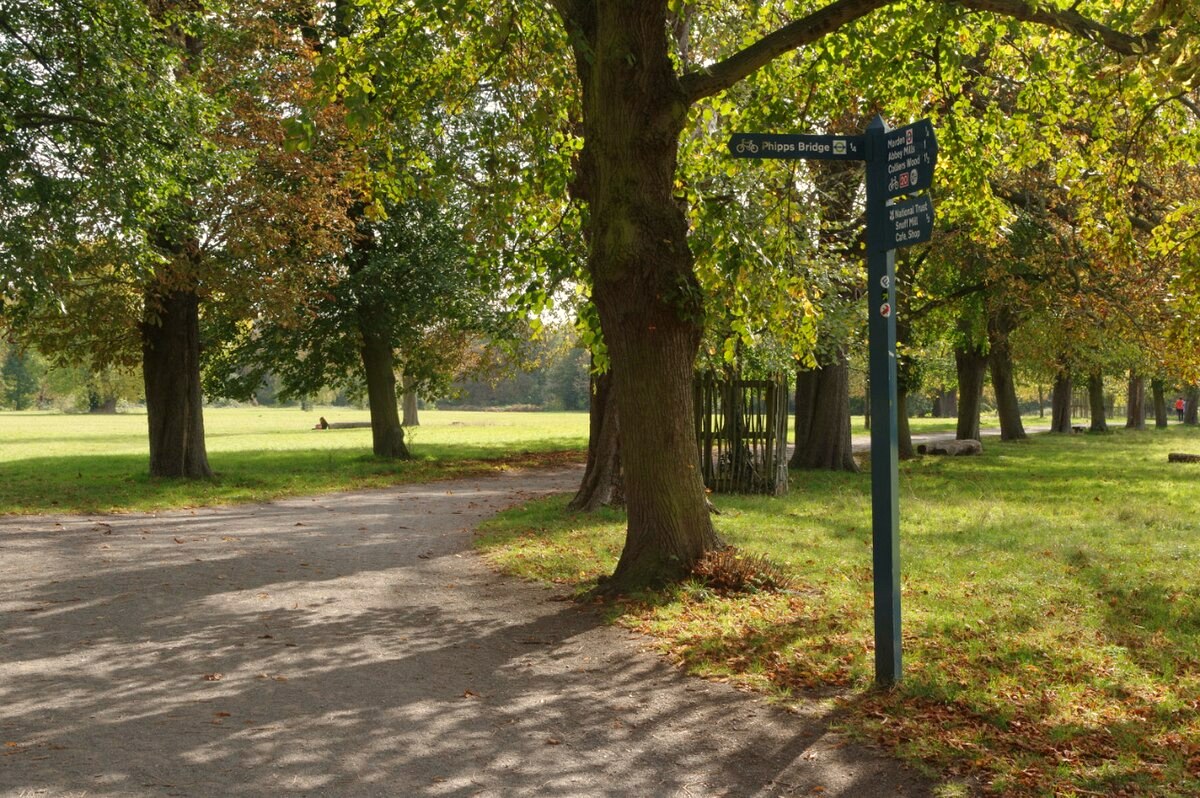
Saturday Morning Walk-Through (150 words)
Start at Morden station around 09:30. The forecourt is busy but not chaotic — commuters and weekend shoppers heading to explore Morden Hall Park. Head up London Road: it’s a functional high street, not precious. Greggs, Boots, a mix of independent Asian restaurants (Lahori Mahal, others), a small Italian place (Verona, run for a decade by Luigi and Wioletta — this matters; it’s not a chain).
The pavements are narrow in places; bins and sandwich boards crowd the kerb. A Sainsbury is visible. What you notice: families. Pushchairs, school uniforms (Saturday activities). The demographic is young families and pensioners, not students or aspirational nightlife seekers.
Head left into the side roads (Abbotsbury, Dorset): suddenly quiet. Victorian and Edwardian semis, tree-lined, gardens with climbing roses. This is the Morden Hall Park neighbourhood feel — quiet, tree-lined, accessible to green space. A man washes his car; children on bikes. This is suburban England, competently done. No Instagram moments, but genuine and unperformed.
After Dark (100–150 words)
Morden’s evening scene is honestly limited. The high street has a few takeaways open until 23:00 (Indian, pizza, chicken); a small pub (Crown Inn, dating to 1932); modest cocktail bars are absent. If you want Friday night energy, you’re either heading to Wimbledon (2 miles, 15 mins by bus or walk) or Clapham (20 mins by Northern Line).
This is not a weakness for families or early-sleepers; it’s a genuine downside if you want a walk-able neighbourhood pub scene. Most people here use Morden as a commuting base and weekend family zone, not an evening destination. That honesty — this is not Zone 2 — is part of Morden’s appeal.
Five Places Locals Actually Use (150 words)
-
Morden Hall Park (free, National Trust): Year-round; weekends are busy but never rammed. This 125-acre National Trust estate is the neighbourhood’s principal amenity and defines Morden Hall Park’s appeal to families and green-space enthusiasts. The café (Potting Shed and Stable Yard) does simple coffee and cake. The rose garden (May–September) is stunning. The wetland boardwalk is where locals point out kingfishers to visiting grandchildren. Morden Hall Park hosts numerous community events throughout the year.
-
Cannon Hill Common: A 78-acre green space west of the town centre (technically in Mitcham, but locals consider it theirs). Open spaces, small woods, play area, tennis courts. Less manicured than Morden Hall; more “common land” in character.
-
London Road (high street): Shopping, coffee, the Friday-night chip run. Not elegant, but functional and genuine.
-
The Wandle Trail (free): Locals cycle or walk the 2-mile loop (Morden Hall → Ravensbury Park → back via quieter roads). Flat, signposted, wildlife-rich. Popular with families on weekend mornings.
-
Morden Park: Smaller than Morden Hall; has a boating pond, meadow, play area. Less famous, so less busy. Locals take children here when Morden Hall is heaving.
Through the Seasons (100 words)
Spring: Rose garden begins; bluebells in woodland patches. The Wandle Trail floods its lower sections mid-March–early April. Children’s paddling season opens at play areas.
Summer: Rose garden in full bloom (mid-May–early September). Morden Hall becomes a destination; picnickers and families camp on meadows. The wetland boardwalk buzzes with activity.
Autumn: Leaves on the Wandle; mild Sundays draw weekend walkers. By October, it’s quiet again. The heavy horses that cut the meadows work in late summer and February.
Winter: Cold, wet, fewer visitors. Morden Hall transforms into a moody, riverside walk. The community sense shrinks but doesn’t disappear.
Source: Google Maps, OS Open Greenspace & editorial research, 2026

Northern line terminus seat, 125-acre Morden Hall Park, Zone 4 flats around £315k — outer-London prices, tube into Bank or Waterloo.
Morden sits at the southern terminus of the Northern line in Zone 4 — a quiet suburban pocket with one of the lowest-crime profiles in PAL coverage and 125-acre National Trust Morden Hall Park on its doorstep.
Morden scores 48/100 on the PAL Score — our weighted rating across six core criteria that define what makes a London neighbourhood work for buyers.
Score Breakdown
| Criterion | Score (/100) | What it means |
|---|---|---|
| School Quality | 38 | Four local primaries (Good), seven secondaries (Outstanding+) within 2 miles — rare density in Zone 4. Oversubscription on top primaries is real. |
| Safety | 92 | Recorded crime 48% below the London average on a severity-weighted basis; on a residential basis, 52% below the London average. Town centre sees standard urban crime; residential roads quieter. |
| Green Space Access | 50 | Morden Hall Park (125 acres, National Trust), Wandle Trail, Cannon Hill Common. Flat terrain, accessible, well-maintained. |
| Transport Connectivity | 47 | Direct Northern Line to City (31 min), understandable commute for finance/law/media workers. Night buses only (no night tube); terminus status means peak crowding. |
| Property Price Affordability | 57 | Three-bed terraced house at £517k is 35–40% cheaper than equivalent in Wimbledon. Flats at £306k accessible for first-time buyers. |
| Local Amenities | 36 | Morden Hall Park, Wandle Trail, stable high street. Limited evening scene; no nightlife. Functional rather than distinctive. |
Scores use the PAL 0–100 scale, z-score normalised across all London neighbourhoods. See PAL Score Architecture (April 2026) for methodology.
What This Means
School quality and safety are Morden’s strongest dimensions (38/100 and 92/100 respectively). The concentration of Outstanding secondaries — Ricards Lodge, Graveney, Harris Morden — is genuinely rare in Zone 4. Crime sits 48% below the London average on a severity-weighted basis, making Morden a family-focused, lower-risk choice compared to inner-zone alternatives.
The trade-offs centre on transport (47/100) and the absence of an evening scene. While the Northern Line provides reliable commutes, night bus-only service (trams stop midnight) limits spontaneity. Morden works as a commuting base and weekend family zone, not as an evening destination.
Morden suits first-time buyers, young families prioritising schools, and professional couples commuting to the City. If you value affordable space, low crime, and Outstanding schools, Morden delivers exceptional value. If you need a lively evening scene or prefer Zone 2 convenience, look at Clapham or Brixton instead.
Readers using Morden as the step before central London often look next at Stratford, where the regeneration story and Central line commute represent the natural aspirational upshift from a Zone 4 base.
✗ May Not Suit
💰 Value Assessment
Morden delivers genuine outer-Zone value. The median sold price is £485,000 (HM Land Registry), well below the inner-London median, with entry-level flats from around £124k — a rare foothold for a London Tube terminus. Crime sits 48% below the London average (Safety Score 92/100) — one of the lowest-crime profiles of any PAL neighbourhood — and the borough has been among the few in positive territory on the wider house price index, bucking the London-wide trend.
Our Recommendation
Who's Morden for?
Morden is likely to suit you if:
- Are buying your first flat or family home. The typical (median) flat is £306k and the typical terrace £517k (Land Registry), with flats starting from £124k — among the most achievable Zone 4 buying in south-west London.
- Want a guaranteed seat on the morning commute. Morden is the Northern Line’s southern terminus — board first, sit down, ride 34 minutes to Victoria or 38 to Bank.
- Have school-age children. Good local primaries (Abbotsbury, Morden Primary) feed into Outstanding secondaries (Ricards Lodge, Graveney) — a feeder progression rare in Zone 4.
- Want green space within walking distance. Morden Hall Park (125 acres, National Trust) and Cannon Hill Common are both walkable from the town centre.
- Prioritise safety stats. Crime sits 48% below the London average on a severity-weighted basis — one of the lower-crime Zone 4 pockets, with low burglary and stable trend.
- Are downsizing from a pricier area. A 4-bed semi in Morden costs less than a comparable family home in Wimbledon — same Northern Line, lower price.
Look elsewhere if you:
- Need a fast commute to the City. Bank is 38 minutes from Morden Underground — Morden’s Zone 4 location is the trade-off.
- Want a walkable evening scene. Morden’s high street has limited bars, restaurants, or late-night options. Wimbledon and Clapham have it, but you’re taking a train.
- Travel from Heathrow or Gatwick regularly. Morden’s airport links are poor: 90+ minutes to Heathrow, 80 minutes to Gatwick via bus and rail. Luton and Stansted are no faster.
- Are priced out at flat-buying level. Even with flats starting from £124k, if the typical £306k flat is still a stretch, Croydon is cheaper without giving up much.
- Want a lively, mixed demographic scene. Morden is family and residential. If creative buzz matters, look at Peckham or Walthamstow — Zone 3 with proper food, music, and gallery culture.
The Real Picture
Morden is a practical choice, not a glamour one. The Northern Line terminus means a seat in the morning. School progression from local primaries into Outstanding secondaries in nearby Wimbledon and Tooting is genuinely rare in Zone 4. Crime is well below the London average, and Morden Hall Park puts National Trust acres on the doorstep. But you pay in commute time, evening scene, and airport access. If you’ve decided that quiet, settled, safe family living matters more than nightlife or speed, Morden delivers.
Moving to Morden: The Practical Side
Conveyancing & Legal Costs
Standard costs: £800–£1,200 for legal fees (small independent solicitors are cheaper; high-street chains charge more). Search fees, land registry, and mortgage paperwork add £300–£400. Budget 1–2% of purchase price for all legal costs.
Morden’s properties are straightforward — mostly freehold terraces and semis, no complex ground rent or service charge issues (except leaseholds, which should be checked carefully).
Removals & Storage
Most properties in Morden are within 8–10 miles of central London storage/removals bases (Wimbledon, Croydon). A three-bed move costs £800–£1,200; storage at £50–£100/month depending on size. Parking is generous, so removing vans can wait outside without PCN risk outside the CPZ hours (Mon–Fri 10am–4pm).
GP Surgeries & Healthcare
Register with your local GP within two weeks of moving (NHS requirement). Key surgeries serving Morden:
- Morden Medical Centre (Crown Lane, SM4 5RA) — accepting new patients; GP appointments typically 10–14 day waits. Extended hours Wed until 18:00.
- Cannon Hill Medical Practice (Cannon Hill Lane, SM4 4NR) — smaller practice, quieter waits, NHS + private services. Slightly faster appointment booking (5–7 days typical).
- Wimbledon Park Medical Centre (adjacent Morden, 0.8 miles) — larger facility if local practices full. Walk-in slots Friday afternoons.
Dentist availability is tight across Merton (as in most of London). Private practices usually quicker (£20–25 checkup, £150–300 treatment); NHS options have long waits (18+ weeks).
Utilities & Council Tax Setup
Gas/electricity: British Gas, EDF, Octopus Energy all serve Morden. Dual-fuel (2-bed typical) £95–130/month. Switch via comparison sites (Uswitch, Moneysupermarket). Existing meters usually can be read remotely; new smart meter installation takes 1–2 weeks.
Water: Affinity Water operates; ~£35–45/month. Account setup automatic via water meter reading.
Council tax: Apply within 21 days of moving (online at merton.gov.uk or post). Register to vote simultaneously. Band D (typical for 3-bed terrace) is £2,141/year.
Broadband: BT, Sky, Plusnet all serve Morden. Speeds 30–150 Mbps typical (copper ADSL older properties; fibre rolling out). Setup takes 5–10 working days; DIY installation common.
Changing Schools Mid-Year
Merton admissions office is responsive (10–15 day wait for in-year transfers). If you move outside catchment, you’ll face a waiting list for popular schools — but Merton’s density of good secondaries means you’ll likely find a place at a Good or Outstanding school within a term.
Getting to Know the Area
- Merton Council website: merton.gov.uk (services, bin days, planning decisions)
- Morden Society: Local resident group, organises community events
- Wandle Valley Park: wandlevalleypark.co.uk (trail info, seasonal events)
- Schools: Individual school websites list after-school clubs, term dates, and admissions priorities
Frequently Asked Questions
Common questions about living in Morden, answered with data from our research.
Morden to Bank takes 38 minutes station-to-station on the Northern line (TfL Journey Planner, 08:30 weekday — boarding to alighting; add your own walk to the station). As the Northern line’s southern terminus, Morden gives you a guaranteed seat for the morning commute, which makes it competitive for finance and professional-services workers heading into the City. (Source: TfL Journey Planner, 2026)
Yes, three 24-hour routes (80, 93, 154) run through Morden station, but with 15–20 minute frequencies between 2300–0600. These are slow (40+ mins to central London). The Northern Line stops around 0030. (Source: TfL night bus schedule, 2026)
Possible but not pleasant for central London commutes. The Wandle Trail gets you to Putney Bridge (~10 miles, 50 mins), then roads to the City. Most Morden cyclists use bikes for last-mile (to Wimbledon station or Croydon rail). For local cycling, the Wandle Trail and Morden Hall Park are excellent. (Source: Wandle Trail mapping, 2026; local cyclist feedback)
Outside the CPZ (off London Road), parking is generous and free. Within the CPZ (Mon–Fri 10am–4pm), you need a resident permit (£135/year). Permit enforcement is moderate; parking is tight but not gridlocked. Second vehicles typically find space on side roads. (Source: Merton Council parking data, 2025)
Yes. Two lifts provide access to platforms; the station was refurbished in 2007 for accessibility. Gender-neutral, accessible toilet with baby-changing facilities opened in 2024. Peak hour queues at lifts (3–5 mins) can be frustrating but manageable. (Source: TfL accessibility data, 2024; Morden station observational data)
Understanding why Morden property prices are so much lower than Wimbledon requires recognising the postcode and transport premium. Wimbledon sits on the District Line (faster to City, more prestige); has a strong evening/retail scene; and sits in SW19 (historic, leafy postcode perception). Morden is Zone 4, Northern Line, fewer bars/restaurants — but offers affordable Zone 4 London living with better schools than Wimbledon. The price gap (£200k–£300k for similar properties) reflects this transport + vibe premium, not housing quality. (Source: Land Registry 2025 comparative data; Rightmove/Zoopla postcode analysis)
Yes, if leasehold length is 85+ years remaining. The typical (median) flat sells for £306k, with prices running from £124k up to £625k (Land Registry, 2025) — so there’s genuine stock below the midpoint for buyers with a 5–10% deposit and a reasonable salary. Check lease length carefully (below 75 years becomes hard to mortgage). Service charges (£200–£350/year typical) are reasonable. (Source: Land Registry 2025; mortgage industry standards on lease length)
Morden’s premium (£30k–£50k vs. Croydon) is justified by schools (Outstanding secondaries vs. Croydon’s mixed provision), lower crime, and Morden Hall Park. Commute to central London is also 5–8 mins faster. Mitcham and Croydon are cheaper, but Morden’s combination of schools + space + transport is worth the uplift for families. (Source: Land Registry 2025; Ofsted ratings; TfL journey planner)
When considering Morden schools for your children, understand that competition for the top primaries is intense. It’s Merton’s most popular primary. Most years, 2–3 out of distance are admitted (within 0.2 miles is your best bet). Siblings and local authority children (in care) get priority. You should assume waiting-list placement unless you’re within 0.3 miles. It’s Good-rated, not Outstanding, so Poplar and Morden Primary are equally solid fallbacks within the neighbourhood’s strong school network. (Source: Merton Council admissions 2025; primary catchment data)
Yes, though it’s not guaranteed. Both schools sit just outside guaranteed catchment for central Morden students (within 1.2–1.5 miles). Most Morden Year 6s rank Ricards Lodge/Graveney highly in admissions; a significant portion are admitted. Harris Academy Morden (Outstanding, on your doorstep) is another excellent option. Competition is real, but the supply of top secondaries means you’ll get into a Good+ school. (Source: Merton secondary admissions data 2025; schools distance matrices)
Data from HM Land Registry, Ofsted, Metropolitan Police & TfL. Page last regenerated 27 August 2026.
Moving to Morden?
Get our free moving checklist and local tips delivered to your inbox.
No spam. Unsubscribe anytime.