Property Prices in Eltham
Source: HM Land Registry Price Paid Data — median sold prices over a rolling 12-month window
What Your Budget Buys
Source: HM Land Registry.
Market Position & Budget Bands
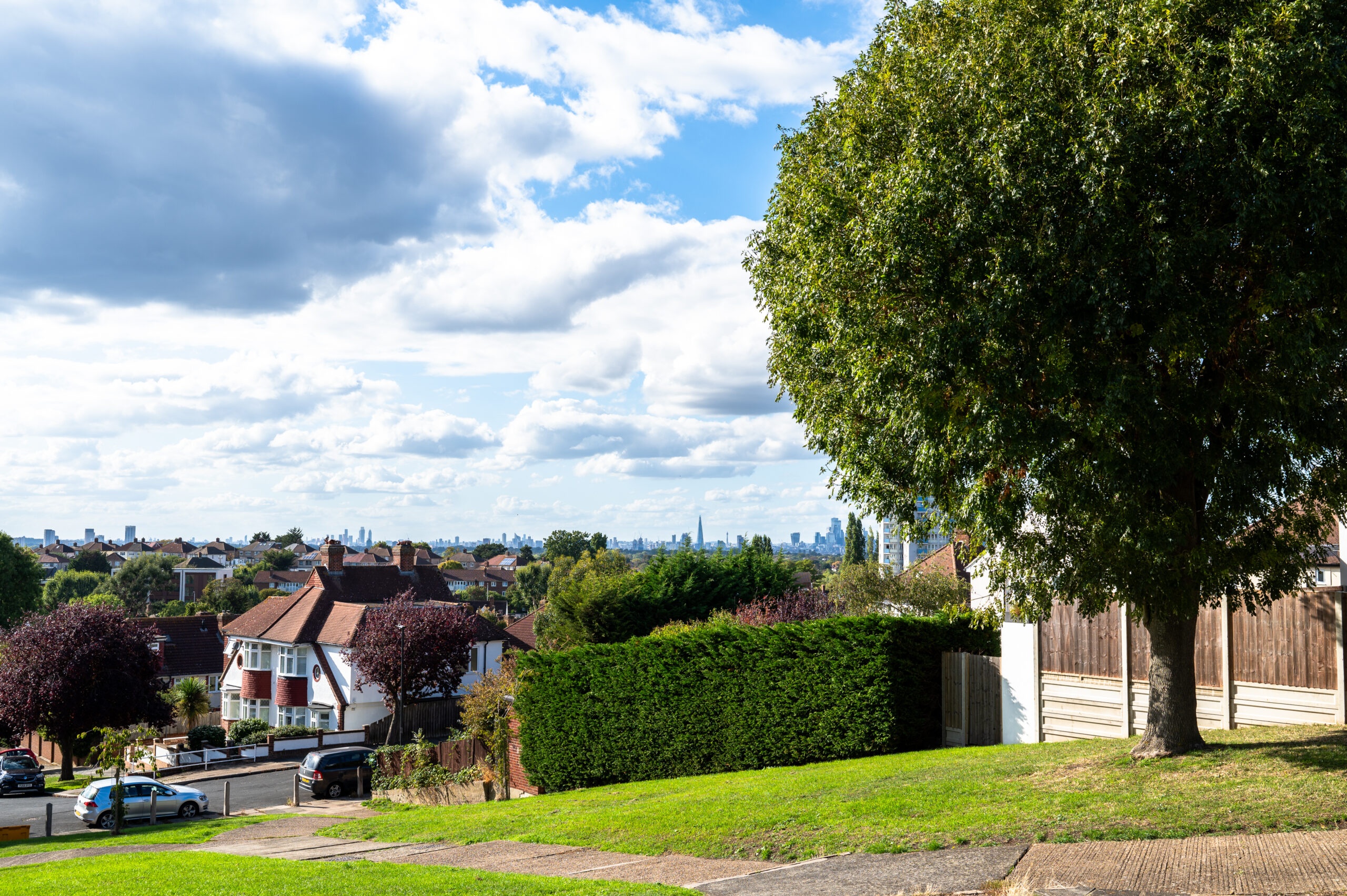
Eltham buys you a whole house, a real garden and green space on the doorstep at a price that undercuts most of inner London — and that value is the whole market story. The overall median sold price is £473k (HM Land Registry), well below the pricier towns south and west and one of the better-value areas we cover. This is SE9, wholly within the Royal Borough of Greenwich — a settled interwar suburb of 1930s houses rather than an inner-city market of flats and conversions. It is a deep, liquid, strongly house-led market by outer-London standards, running roughly three houses for every flat, so there is real choice at the family-house end and less of a scramble than in a thin, flat-dominated area. It is priced for the space and the schools, not for a fast Tube — because there isn’t one, only National Rail.
What Your Budget Buys
Flats are the smaller, cheaper end of the market — purpose-built blocks and a few conversions — from around £108k to £550k, typically £300k.
Houses are what Eltham is about. Terraced homes sit at a £480k median (£200k to £1.13m); semi-detached 1930s family houses — the signature stock — at £600k (£292k to £1.10m); and detached houses, the thinner top of the market, at £654k (£320k to £1.90m), turning over less often and with a wider spread.
What Drives Values
Eltham’s case is space and value: whole 1930s houses with gardens, green space on the doorstep (Eltham Park, Avery Hill), decent schools, and a direct train to London Bridge — all at a price that undercuts most of inner London. What tempers it: there is no Tube, and this is a steady, modest market rather than a hot-growth one, so the appeal is the affordable family house rather than fast appreciation. The live median and by-type figures are in the cards above and on the price comparison page.
Leasehold vs Freehold
Eltham’s flats — the purpose-built blocks and the smaller conversions — are predominantly leasehold, so check the lease length and service-charge history before you offer. The 1930s terraced, semi-detached and detached houses that make up the bulk of the market are almost all freehold.
Rental Yields (Buy-to-Let Context)
Eltham is a steady-yield, family-let rental market rather than a high-income one. One-bed flats let for roughly £1,050–£1,250 a month and two-beds for around £1,350–£1,600 (Rightmove and Zoopla SE9 listings), putting gross yields at roughly 4.5–5.5% — respectable for an outer-London suburb. Tenant demand skews to families and commuters priced out of Zones 2–3 who want a house with a garden and a direct train to London Bridge, so voids are short for well-priced family homes.
How Eltham compares nearby
Median sold price, all property types, against the nearest comparable areas we cover.
HM Land Registry · prices last updated 5 August 2026
Schools in Eltham

🏫 Primary
🏛 Secondary
Deansfield Primary School
St Mary's Catholic Primary School
Alderwood Primary School
Christ Church Church of England Primary School, Shooters Hill
Ealdham Primary School
Elmstead Wood Primary School
Eltham Church of England Primary School
Gordon Primary School
Greenacres Primary School and Language Impairment Unit
Haimo Primary School
Henwick Primary School
Horn Park Primary School
Middle Park Primary School
Montbelle Primary School
Notre Dame Catholic Primary School
Notre Dame Catholic Primary School
Orion Ravensworth
Plumcroft Primary School
St Thomas More Catholic Primary School
St Vincent's Catholic Primary School
Wyborne Primary School
Harris Academy Greenwich
Eltham Hill School
Leigh Stationers' Academy
St Thomas More Catholic Comprehensive School
Data: Ofsted, 2 September 2026
School Overview
Schools are a genuine Eltham strength, and a bigger one than the area’s modest reputation implies. Eltham has 25 schools, with 3 rated Outstanding, all Good or Outstanding — a wide, strong state offer across all phases in the SE9 catchment. That breadth matters for a family suburb: it means a realistic chance of a good local school at both primary and secondary, on ordinary state admissions rather than fees. Both phases are covered below.
Primary Schools
The primary offer is led by two Outstanding schools. Deansfield Primary School is rated Outstanding by Ofsted and anchors the top of the local primary choice. St Mary’s Catholic Primary School is also rated Outstanding — a faith school, so admissions turn on Catholic criteria as well as distance. Around them sits a strong Good tier that rounds out the Good-or-Outstanding picture across the wider SE9 catchment. Since September 2024 Ofsted has stopped issuing single-word overall grades, so for any school inspected after that date, verify the current position at reports.ofsted.gov.uk before relying on a rating.
Secondary Schools
The secondary picture is the real headline for families, because Eltham holds an Outstanding secondary and a strong Good tier around it. Harris Academy Greenwich is rated Outstanding by Ofsted — an established, in-demand secondary and the standout of the local choice. The strong Good secondaries are Eltham Hill School, Leigh Stationers’ Academy and St Thomas More Catholic Comprehensive School, all rated Good by Ofsted. Together they mean a family can realistically school children through to sixth form within the area, on state admissions rather than fees or a grammar-catchment scramble.
Catchment Reality
An Eltham address does not buy any of the popular schools outright, because the in-demand ones run tight admission radii. The Outstanding Harris Academy Greenwich and the strong Good secondaries draw compact catchments, so distance is often the decisive criterion for community places — the closer to the school you buy, the safer the offer. The faith schools add their own layer: St Mary’s Catholic Primary and St Thomas More Catholic Comprehensive prioritise Catholic applicants on religious criteria, so a nearby address alone does not guarantee a place. Because SE9 spreads across a wide catchment taking in Eltham, Mottingham and New Eltham, the realistic advice is to check each school’s most recent last-offer distance and admissions criteria against a specific address before assuming a place, rather than treating the whole postcode as in-catchment.
Transport & Commute: Eltham
Commute Times
Source: TfL Journey Planner, 2026. All times are station-to-station (boarding to alighting); add 5–10 minutes for walking to your nearest station and waiting.
Rail and Tube
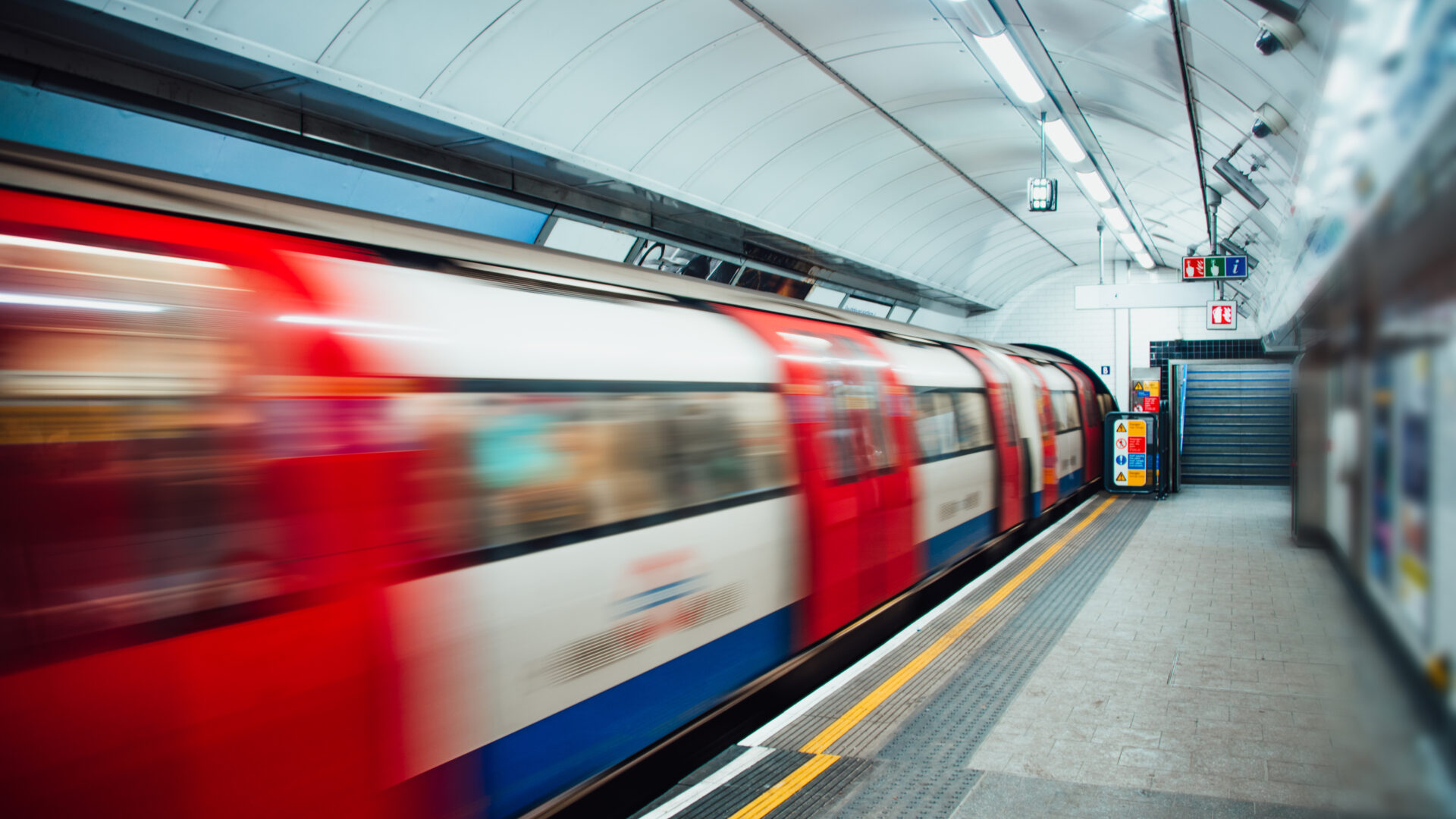
Transport is Eltham’s weakest dimension, and the reason is specific: there is no Underground. The network is Southeastern National Rail only, from Eltham, Mottingham and New Eltham stations (all Zone 3/4). But the score understates a genuine strength — from Eltham station, a direct Southeastern service reaches London Bridge in 20 minutes, a fast and useful link for a City or London Bridge commuter and the standout reason many buyers look here. Cannon Street is 28 minutes and Charing Cross 30, both direct Southeastern runs to the City and West End terminals. The catch is the lack of a Tube fallback: when the line is disrupted, there is no Underground alternative a short walk away, which is the honest reason the transport score reads 38 — the weakest of Eltham’s six.
Bus Network
Buses do the orbital work the railway leaves undone, linking Eltham High Street, the three stations, Well Hall and the surrounding suburbs through to Woolwich, Greenwich, Bexleyheath and Bromley. For local trips — to the shops, the schools, the parks and Well Hall Pleasaunce — the bus network is the everyday tool; for a fast run into central London, Eltham station and the direct Southeastern service are the quick option.
Commute Times
| Destination | Route | Station-to-station |
|---|---|---|
| London Bridge | Southeastern direct from Eltham | 20 min |
| Cannon Street | Southeastern direct | 28 min |
| Charing Cross | Southeastern direct | 30 min |
| Canary Wharf | Rail + change | 37 min |
Station-to-station, TfL Journey Planner, 08:30 weekday (refreshed June 2026). Add the walk to your station. London Bridge, Cannon Street and Charing Cross are the fast, direct Southeastern runs; Victoria (34 min), Bank (34 min) and Canary Wharf (37 min) need a change and are slower. There is no Tube.
Cycling and Walking
Eltham is walkable at its core — the High Street, Passey Place, Eltham station and Well Hall all sit within an easy stroll, and the Palace gardens and Well Hall Pleasaunce open green space close in. The terrain rises toward Shooters Hill and the Oxleas Wood ridge, so cycling is easy along the level streets around the town and stiffer on the climb north. The whole area sits within the Ultra Low Emission Zone (ULEZ), which has applied London-wide since August 2023, so a non-compliant vehicle is charged daily here.
Driving and Parking
Eltham gives reasonable road access toward the A2, the South Circular and the wider south-east London network, though none of it is quick at peak. The area is within the ULEZ but well outside the Congestion Charge zone. Controlled Parking Zones apply around the busier stretches near the High Street and Eltham station, so on-street parking there is permit-controlled, while the quieter residential streets toward Mottingham and New Eltham are easier — check the specific street on the Royal Borough of Greenwich parking map before assuming you can park on-street. Permit costs are covered under Moving Practicalities.
Transport Verdict
Eltham suits commuters to London Bridge, Cannon Street and Charing Cross who want a fast, direct Southeastern train and will trade the Tube for the space, the schools and the price. The limitation is real and explains the low score: there is no Underground, Victoria (34 minutes), Bank (34 minutes) and Canary Wharf (37 minutes) all need a change, and a disrupted line leaves no quick fallback — so anyone tied to a Canary Wharf or West End desk should weigh the daily reliance on a single rail operator carefully, even though London Bridge at 20 minutes keeps the everyday commute workable.
Crime & Safety in Eltham
Top Concern
Source: Metropolitan Police via data.police.uk · Population: ONS Census 2021 · Updated monthly
The Numbers
Eltham is a lower-crime suburb by London standards. On a residential basis it records about 92 crimes per 1,000 residents (the latest 12-month period; Metropolitan Police recorded crime via data.police.uk), which works out at 27% below the London average once the figures are put on a like-for-like footing. That is the single yardstick worth holding on to, and it is what the PAL Safety Score of 74/100 — benchmarked against the whole of London, not just the areas we cover — reflects: a genuinely settled residential picture rather than a statistical quirk. The one honest qualifier is direction of travel: the 12-month trend is Rising (+6.8%), so the low base is edging up rather than falling.
What the Data Tells You
The honest read is that Eltham is a lower-crime area — 27% below the London average — and the category mix is ordinary for the city. Violence and sexual offences is the largest single category, at about 26% of recorded crime, which is the usual leading category across most of London — it is what the data shows for area after area, and it is stated here factually rather than as a warning. Nothing in the breakdown points to a problem specific to Eltham; the profile mirrors the ordinary shape of recorded crime in a quiet residential suburb. The one thing to keep in view is the trend: recorded crime is Rising (+6.8%) over the past year, which moves a genuinely low base rather than changing the headline that Eltham sits below the London average.
Street-Level Context
The pattern is quietly residential across most of the area, with what activity there is concentrating around the busier High Street and the town centre where footfall is highest. Move out into the interwar residential streets toward Mottingham, New Eltham and the Progress Estate at Well Hall, and the picture is settled and low-incident. The closer you buy to the High Street and the shops, the more of the everyday town-centre texture you take on; the quieter streets a few minutes out feel firmly suburban and calm.
What Residents Say
Residents experience Eltham as calm and settled, and the data backs that up. As one local put it on a Mumsnet thread, “I generally feel very safe walking in the evenings, and I’m a bit of a scaredy cat” — a note echoed across the same discussion and a second thread describing the area as “very safe” with “a real sense of community.” The practical takeaway for a buyer is simply ordinary city sense: keep an eye on bags and phones around the busier High Street, secure bikes with a proper D-lock near the station, and keep nothing visible in parked cars. None of this is unusual for London, and in Eltham the genuinely lower-crime picture — 27% below the London average, and a Safety Score of 74/100 — is the headline, not a caveat.
Unlock the Complete Eltham Guide
You’ve seen the headline data. Get the full picture — detailed narratives, council costs, community character, and our editorial verdict.
- 🎓 In-depth school, transport & crime analysis
- 🏛 Council tax & parking costs
- 🏘 Community character & local vibe
- ⭐ Editorial verdict, value assessment & future outlook
- 📦 Moving practicalities
By unlocking, you’re happy for us to email you this guide plus the occasional helpful update from Property Around London. No spam — unsubscribe anytime.
Council Fees in Eltham
Council Tax (Annual)
| Band C | Band D | Band E |
|---|---|---|
| £1,874 | £2,108 | £2,576 |
Parking
Source: Royal Borough of Greenwich, 2026
Council Tax Bands
Eltham sits within the Royal Borough of Greenwich, where the Band D charge is £2,108, with Band A at £1,405, Band C at £1,874 and Band E at £2,576 for 2026/27 (Royal Borough of Greenwich, 2026/27). Greenwich’s Band D sits around the middle of the outer-London range. Most flats and smaller terraces fall in Bands A–C, and the larger semis and detached houses in Bands D–F, so the typical bill is moderate for London and lighter than much of the inner city.
Local Authority Services
The Royal Borough of Greenwich runs the borough’s collections, recycling and services. The council provides kerbside recycling alongside general waste and runs the usual borough functions, with garden-waste collection offered as a paid annual subscription and bulky-waste collection charged per item (Royal Borough of Greenwich, 2026). For a flat the garden-waste charge is rarely relevant; for a house with a garden — the Eltham norm — it is a small annual cost to factor in.
Waste and Recycling
Greenwich provides kerbside recycling alongside general waste collection, with the paid garden-waste subscription and per-item bulky-waste collection as the chargeable extras (Royal Borough of Greenwich, 2026). Because Eltham is entirely within the Royal Borough of Greenwich, the rate is the same across the neighbourhood — there is no borough-boundary complication to check street by street.
Libraries and Leisure
Greenwich runs library and leisure provision near the area, and Eltham adds its own green texture: Well Hall Pleasaunce, with its formal gardens and the 16th-century Tudor Barn, sits at Well Hall, and Avery Hill Park — with the Victorian Winter Garden glasshouse on the University of Greenwich campus — is a short trip east. Eltham Palace’s moated gardens, Oxleas Wood and Severndroog Castle on nearby Shooters Hill widen the offer. These green assets are covered in the verdict and FAQs below.
Eltham Community Character
Where the High Street Runs Out of Steam
A Saturday on Eltham High Street is a functional errand more than an event: M&S, TK Maxx, Clarks, a Vue cinema and a run of chains threaded with a few independents, busy with buggies and trolleys rather than anything you would travel for. The better half-hour is off the main drag — Passey Place, a short pedestrian run of cafés and small shops, where the fourth-Saturday Eltham Producers’ Market sets up (10am–3pm). Walk fifteen minutes past the 1915 Progress Estate — Arts and Crafts garden-suburb cottages, now a conservation area — and you reach the moated gardens of Eltham Palace. That green, quiet edge, not the shops, is what people mean when they say they like it here.
Last Orders Come Early Here
Evenings are quiet, and most residents chose Eltham partly for that. What concentration there is sits around Passey Place. The Park Tavern (45 Passey Place) is the connoisseur’s choice — a Victorian pub with original Truman’s tiling, eight cask ales, no TVs and a heated back garden. A few doors down, the Eltham GPO (in the old post office at number 4) does the louder version: Wednesday quiz, Friday live music, sport on the screens. Beyond those the High Street empties early once the cinema crowd has gone in. As one resident put it, “I generally feel very safe walking in the evenings, and I’m a bit of a scaredy cat” (Mumsnet). For a proper night out, most head into town — the West End is roughly 25 minutes by train.
Places Locals Use
The everyday map is small and well-worn. The Park Tavern (45 Passey Place) has been in the Good Beer Guide since 2009 — no TVs, a covered garden — while the Eltham GPO (4 Passey Place), in the former post office, runs the Wednesday quiz and Friday live music. The Tudor Barn Eltham, in Well Hall Pleasaunce, is a 16th-century barn ringed by a medieval moat, doing Sunday roasts, afternoon tea and weddings. The Eltham Producers’ Market takes Passey Place on the fourth Saturday of the month. And the Avery Hill Winter Garden (Bexley Road), a Victorian glasshouse on the University of Greenwich campus, is free and open daily.
Through the Seasons
Spring brings the garden rooms at Eltham Palace filling with hellebores under the Chinese privet, and the moated lawns reopening to picnic weather. Summer is the Palace’s long herbaceous border at its peak, while Avery Hill Park and Eltham Park South carry the buggy-and-scooter crowd through long evenings. Autumn turns Oxleas Wood on nearby Shooters Hill — ancient oak and hornbeam over muddy paths — with the tea hut and Severndroog Castle’s viewing platform at the top of the climb. Winter keeps scented Viburnum and hellebores going in the Palace gardens, and the Winter Garden glasshouse stays warm and green while the parks go to frost.
Source: Google Maps, OS Open Greenspace & editorial research, 2026

Affordable houses, good state schools and a settled, safe feel — Eltham is a green, suburban family option, 20 minutes to London Bridge but no Tube.
Eltham is a settled, houses-first outer-London suburb in the Royal Borough of Greenwich (SE9), built around 1930s semi-detached and terraced homes, the historic Progress Estate and real green space at Eltham Palace and Well Hall.
Eltham scores 49/100 on the PAL Score — our weighted rating across six core criteria that define what makes a London neighbourhood work for buyers.
How We Score
Each criterion is normalised on a 0–100 scale across every London neighbourhood we cover, so a score describes how Eltham compares with the rest of the city, not an absolute mark.
The Breakdown
| Criterion | Score (/100) | What it means |
|---|---|---|
| Property Price Affordability | 58 | The strongest dimension — a whole house with a garden well below inner-London prices; affordability is the reason to look here. |
| Safety | 74 | A lower-crime suburb — 27% below the London average; genuinely settled residential streets, with the 12-month trend Rising (+6.8%). |
| School Quality | 54 | 35 schools, 96% Good or Outstanding, including an Outstanding secondary and two Outstanding primaries. |
| Green Space Access | 41 | Eltham Palace gardens, Well Hall Pleasaunce, Avery Hill Park and Oxleas Wood nearby, though the normalised score reads lower than the offer feels. |
| Local Amenities | 45 | A functional high street of chains with a few independents around Passey Place — everyday rather than a destination. |
| Transport Connectivity | 38 | London Bridge in 20 minutes direct, but no Tube and no fallback when the single Southeastern line is down. |
Scores use the PAL 0–100 scale, z-score normalised across all London neighbourhoods and displayed as integers. See the PAL Score Architecture for methodology.
What This Means
Affordability (58/100) carries Eltham — it is comfortably the strongest dimension and the single best reason a buyer looks here, because the money buys a whole house with a garden rather than a flat. Safety (74) sits close behind and is a real strength: recorded crime runs 27% below the London average, so this is a genuinely lower-crime suburb rather than a skewed-average quirk — though the 12-month trend is Rising (+6.8%) and worth watching. Schools (54) are better than the area’s modest reputation implies — 35 schools, 96% Good or Outstanding, with an Outstanding secondary and two Outstanding primaries. After that, green space (41) lands lower than the Palace gardens, Well Hall Pleasaunce and Oxleas Wood suggest it should, because the normalised measure weights density and access rather than headline landmarks. Transport (38) is the drag: no Tube and no fallback when the single Southeastern line is down, even though London Bridge is 20 minutes direct. The resulting 49/100 is a Fair score, and the honest reading is that Eltham is a value-and-family suburb whose strengths are affordability, safety and schools — held back by connectivity, not by the quality of everyday life.
✗ May Not Suit
💰 Value Assessment
At an average of £473,365 (HM Land Registry), Eltham is priced for space and schools rather than connectivity, and affordability is its standout — value score 58, the highest of its six dimensions. Its five-year rise has been modest but genuine, and the market has flattened rather than surged. You pay less than the bigger town of Bromley and roughly level with more urban Catford — money that buys a house with a garden rather than a flat.
Our Recommendation
Who's Eltham for?
Eltham is likely to suit you if:
- Want a whole house with a garden for the money. Eltham is a houses-majority suburb of 1930s semis and terraces, and affordability is its strongest dimension — value score 58, the highest of its six.
- Commute to London Bridge or the City. Eltham runs direct to London Bridge in 20 minutes, with Cannon Street at 28 and Charing Cross at 30 — fast, direct Southeastern links for a no-Tube suburb.
- Have school-age children and want state options. The area has 25 schools, all Good or Outstanding, including the Outstanding Harris Academy Greenwich and Outstanding primaries Deansfield and St Mary’s Catholic.
- Value a genuinely settled, lower-crime suburb. Recorded crime in Eltham runs 27% below the London average (Safety Score 74/100), with quiet residential streets — though the 12-month trend is Rising (+6.8%).
- Want green space on the doorstep. Eltham Palace’s moated gardens, Well Hall Pleasaunce, Avery Hill Park and Oxleas Wood on Shooters Hill give real green edges rather than a token park.
Think twice if you:
- Need the Underground or a fast West End run. There is no Tube; Victoria, Bank and Canary Wharf all need a change, and a disrupted rail line leaves no quick fallback.
- Are banking on capital growth. Eltham is a steady, modest market — up 8.0% over five years and effectively flat at +0.5% over the past year (HM Land Registry) — not a fast-appreciating one.
- Want a lively evening scene. This is a quiet suburb with two main pubs around Passey Place and an early-closing high street — for a proper late night you take the train into town.
- Want an inner-city high street. Eltham’s High Street is a functional parade of chains, not an independent destination — the draw is the green edges, not the shops.
- Are buying a flat for yield. The stock and demand are house-led and family-oriented; gross yields sit at a steady 4.5–5.5% rather than anything spectacular.
The Real Picture
Eltham is a settled, houses-first outer-London suburb that quietly does the family things well. You get a whole house with a garden for less than most of inner London, a wide spread of good state schools, genuinely below-average crime, a fast direct train to London Bridge and real green space in the Palace gardens and the woods on Shooters Hill — and you accept, in return, no Tube, quiet evenings and a functional high street. It is the greener, more suburban, better-value counterpart to livelier neighbours like Catford and the bigger town of Bromley. It settles young families happily; it frustrates anyone who wants a Tube, a buzz after ten, or quick appreciation.
Moving to Eltham: The Practical Side
Council Tax
Eltham is wholly within the Royal Borough of Greenwich. Current charges:
| Band | Annual charge (2026/27) |
|---|---|
| Band A | £1,405 |
| Band C | £1,874 |
| Band D | £2,108 |
| Band E | £2,576 |
Source: Royal Borough of Greenwich, 2026/27. Bands below D are set by statute as fixed proportions of the Band D charge. Greenwich’s Band D sits around the outer-London middle. Confirm the current financial year on the Greenwich website before relying on it.
Parking
Controlled Parking Zones apply around the busier stretches near the High Street and Eltham station, so check the specific zone for any address on the Royal Borough of Greenwich parking map before assuming you can park on-street. Resident permits are set by Greenwich and priced by vehicle emissions band; the quieter interwar streets toward Mottingham and New Eltham are generally easier for on-street parking than the town-centre and station streets, where the CPZ controls apply. Confirm the current permit cost and zone hours for a specific address on the Greenwich website before you rely on them.
GP Surgeries
Eltham is served by five SE9 GP practices — Elmstead Medical Clinic, Eltham Medical Practice, Eltham Palace Surgery, Everest Health Partnership and New Eltham and Blackfen Medical Centre (NHS Directory of Services, August 2026) — with the nearest acute hospital with a full 24-hour A&E being Queen Elizabeth Hospital in Woolwich (SE18 4QH), run by Lewisham and Greenwich NHS Trust, a short drive north. CQC ratings and accepting-patients status change over time; check current status directly with any practice before registering.
Utilities and Broadband
Outer-London coverage runs above the UK average of around 88% gigabit-capable (Ofcom Connected Nations 2025; thinkbroadband, 2026), with Virgin Media cable and Openreach full fibre both present in the area. No postcode-level percentage is published for SE9. Energy costs track the Ofgem outer-London regional average; the 1930s houses and older Progress Estate cottages will have weaker energy ratings than newer flats, so check the EPC before you buy — a period house can carry higher running costs than its sale price suggests.
Removals and Access
The interwar residential streets across most of Eltham are suburban and easier for a removals van than a Victorian inner-city grid — wider, with more room to load. Streets inside a Controlled Parking Zone near the High Street and Eltham station may need a permit or dispensation for a removals vehicle; arrange it in advance with the Royal Borough of Greenwich. The Progress Estate’s Arts and Crafts cottages sit on their own quieter garden-suburb layout at Well Hall. The busier stretch of the High Street itself is best avoided for a large vehicle at peak; the residential side streets give easier access.
Frequently Asked Questions
Common questions about living in Eltham, answered with data from our research.
Eltham is one of the better-value areas we cover. The overall median sold price is £475,000 over the past year (HM Land Registry, to June 2026), but that is a midpoint, not a starting price — most sales landed between about £372,000 and £615,000, spanning £108,000 to £1.80m in full. A typical semi-detached house sits at £618k, terraced at £482k, detached at £665k and flats at £300k, with each type covering a real range around that midpoint. That sits below the bigger town of Bromley (£501,000) and level with more urban Catford (£475,000). With around 467 sales over the year and roughly three houses sold for every flat (349 houses to 118 flats, HM Land Registry), Eltham is a deep, house-led market with genuine choice — so the money here buys a house with a garden rather than a flat, in a market where family houses trade often.
About 20 minutes to London Bridge on a direct Southeastern service from Eltham station — a fast link for a no-Tube suburb. Cannon Street is around 28 minutes and Charing Cross 30, both direct. Victoria is about 34 minutes, Bank 34, and Canary Wharf roughly 37 with a change. These are station-to-station times (TfL, 08:30 weekday); add your walk to the station. There is no Underground in Eltham — the network is Southeastern National Rail only, from Eltham, Mottingham and New Eltham, so a disrupted line leaves no quick Tube fallback.
Yes — the schools are a genuine draw, and better than the area’s reputation implies. Eltham has 35 schools, with 3 rated Outstanding and 96% rated Good or Outstanding (Ofsted). Deansfield Primary and St Mary’s Catholic Primary are both Outstanding, and Harris Academy Greenwich is an Outstanding secondary, backed by Good secondaries including Eltham Hill School and St Thomas More. The popular schools are oversubscribed and the faith schools apply religious criteria, so check each school’s last-offer distance and admissions rules against a specific address.
Eltham is a below-average-crime suburb — with a PAL Safety Score of 74/100. Recorded crime runs 27% below the London average on a severity-weighted basis (the latest 12-month period, data.police.uk). On a residential basis — visitor and footfall theft set aside — the rate is 92 per 1,000 residents, 28% below the London average. The largest category is Violence and sexual offences at about 26% of offences; the residential streets are notably quiet.
Council tax is set by the Royal Borough of Greenwich — Eltham sits wholly within one borough, so there is no boundary complication. The Band D charge is £2,108 for 2026/27, with Band A at £1,405, Band C at £1,874 and Band E at £2,576 (Royal Borough of Greenwich, 2026/27). Greenwich’s Band D sits around the outer-London middle. Most flats and smaller terraces fall in Bands A–C, with larger semis and detached houses in Bands D–F.
It depends what you want. Against Catford, Eltham is a similar price (£475,000) but greener and more suburban — a houses-first family area rather than a busier, more urban centre. Against Bromley, Eltham is a touch cheaper and more house-dominated, while Bromley offers a bigger working town centre and a faster Victoria train; Bromley has grown a shade more slowly (+5.5% versus Eltham’s +8.0% over five years, HM Land Registry). Eltham is the greener, better-value, suburban option of the three.
No — Eltham has no Underground station. The network is Southeastern National Rail, served by Eltham, Mottingham and New Eltham stations (all Zone 3/4), with a direct service to London Bridge in 20 minutes and to Cannon Street and Charing Cross in under half an hour. For Victoria, Bank or Canary Wharf you change, and there is no quick Tube alternative when the line is disrupted — so the area suits London Bridge and City commuters best, and is the main reason the transport score reads 38 despite the fast direct link.
Yes — family life is the area’s defining feature. It has 35 schools, 96% Good or Outstanding (Ofsted), including an Outstanding secondary and two Outstanding primaries, so children can be schooled locally through to sixth form. Residential crime runs roughly 27% below the London average, and Eltham Palace gardens, Well Hall Pleasaunce, Avery Hill Park and Oxleas Wood give real green space. The money buys a house with a garden (median £475,000, HM Land Registry) rather than a flat, which is why families trade up here.
Because the overall PAL Score blends six dimensions, and Eltham’s strengths — affordability (its top score, 58), safety and schools — are offset by its weakest, transport (38), where the lack of a Tube pulls the figure down. Add them up and the overall lands at 49/100 — Fair. The score does not say Eltham is a poor place to live; it reflects that a rail-only, no-Tube suburb scores low on connectivity even when everyday life — a house, good schools, a settled, secure community — is strong.
The draw is green space and history rather than a lively high street. Eltham Palace has moated gardens and an Art Deco house (English Heritage); Well Hall Pleasaunce holds formal gardens and the 16th-century Tudor Barn; Avery Hill Park has the free Victorian Winter Garden glasshouse on the University of Greenwich campus; and Oxleas Wood and Severndroog Castle sit on nearby Shooters Hill. The Eltham Producers’ Market runs on the fourth Saturday of the month at Passey Place. For evenings, the Park Tavern and the Eltham GPO on Passey Place are the main options; a proper night out means the train into town.
Data from HM Land Registry, Ofsted, Metropolitan Police & TfL. Page last regenerated 31 August 2026.
Moving to Eltham?
Get our free moving checklist and local tips delivered to your inbox.
No spam. Unsubscribe anytime.