Property Prices in Central Ealing
Source: HM Land Registry Price Paid Data — median sold prices over a rolling 12-month window
What Your Budget Buys
Source: HM Land Registry.
For a more affordable option in the same borough, compare prices in Greenford.
Market Position & Budget Bands
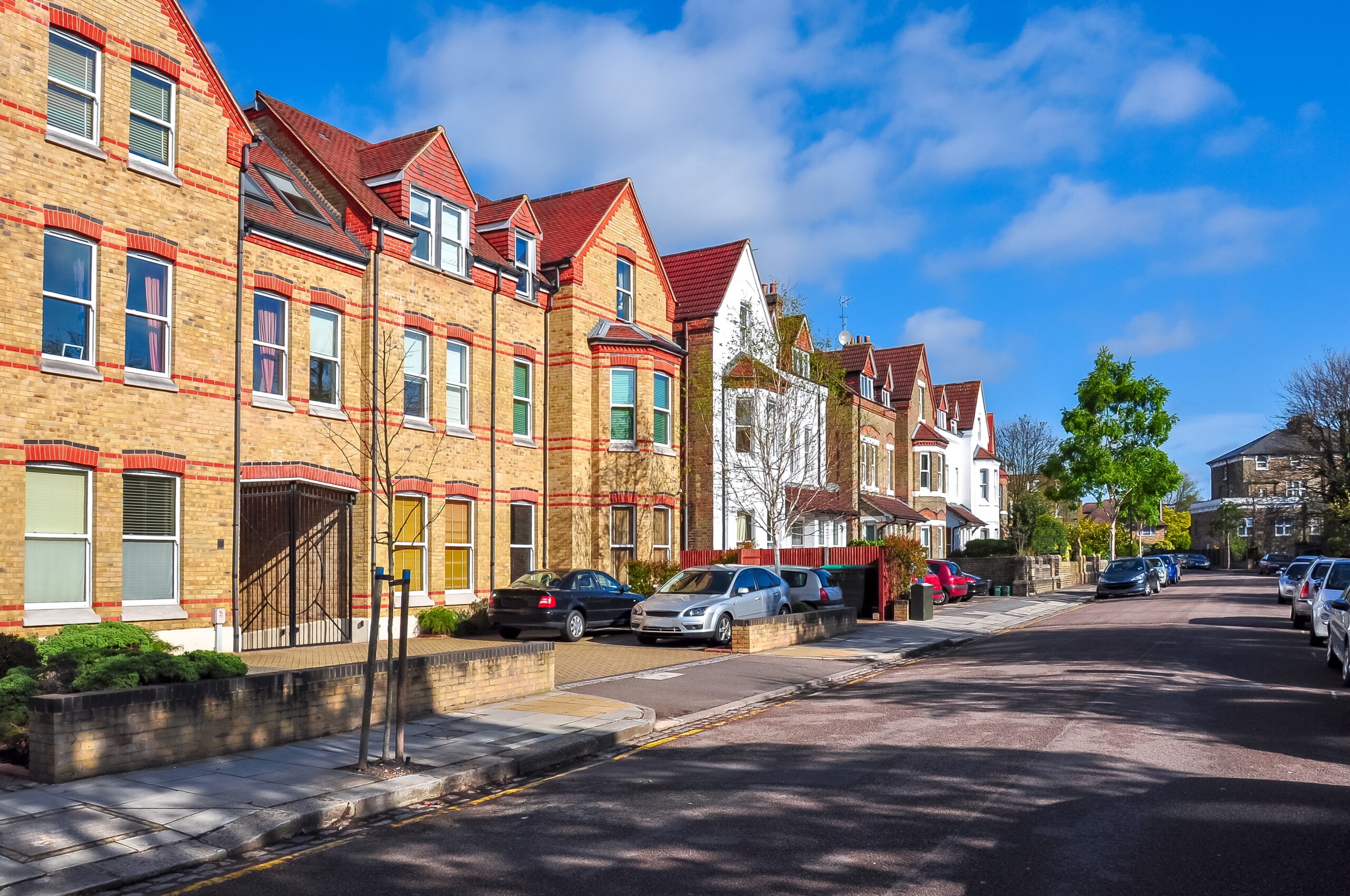
Ealing — the original “Queen of the Suburbs” — is a leafy, house-proud W5 town centre wrapped around parks and served, since 2022, by the Elizabeth line. The overall median sold price is £604k (HM Land Registry, W5), which places it firmly in premium outer-London territory, dearer than most of Zone 3 and well above neighbouring Acton to the east. It is not one market, though: the town-centre ward around the Broadway is overwhelmingly flats — roughly three-quarters of homes — while the wards fanning out from it (Ealing Common, Walpole, Pitshanger, Hanger Hill) hold the period houses that give Ealing its reputation, splitting closer to half houses and half flats. The core buyers are families drawn by the schools, the greenery and the fast Elizabeth line commute, plus professionals and downsizers taking the new-build and period flats near the station.
What Your Budget Buys
Flats are the entry point and the bulk of town-centre sales, with a median of £450k (HM Land Registry). At the lower end they are period conversions of the big Victorian and Edwardian houses that fill Ealing Broadway and Ealing Common; at the upper end, the new-build apartments of Dickens Yard (a major St George scheme behind the Grade II-listed Town Hall) and The Filmworks on the old cinema site, both with lifts, concierge and a place in the town centre. Mansion-block flats around Ealing Common add a period alternative.
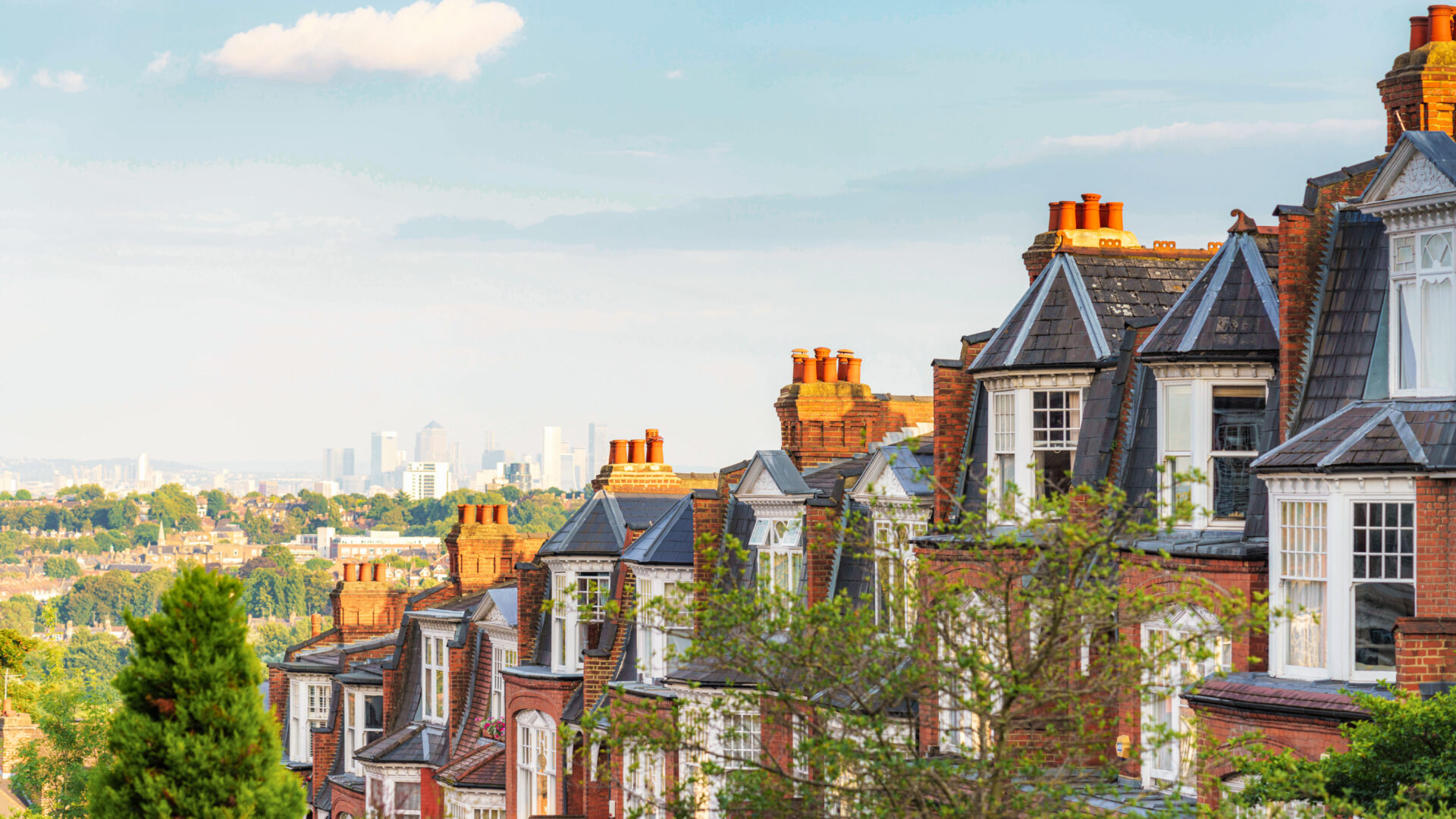
Houses are where Ealing’s premium really sits, and they mean Victorian and Edwardian stock. Terraces run to a median of £858k, with semi-detached houses more again (HM Land Registry) — the villa belt of Ealing Common, the terraces of Walpole and Mattock Lane, and the Edwardian houses of Pitshanger. The prestige pockets carry their own names: the Mount Park conservation area, a planned Victorian estate laid out on the Wood family’s land in the 1870s and 1880s, holds some of the town’s largest double-fronted villas, while Brentham Garden Suburb — Britain’s first garden suburb built on the co-partnership principle, laid out from 1901 to 1915 with a plan by Parker and Unwin — is a conservation-area “village” that commands a recognised premium. Detached houses are the scarce, premium top of the market, so a true detached home here means competing near the top rather than shopping a range.
What Drives Values
Ealing’s value rests on things that hold year to year. What supports it: the Elizabeth line, which has put Bond Street, the City and Heathrow within a fast, direct ride and reset the town’s commuter appeal; the depth and quality of its schools; the sheer amount of green space, from Walpole Park to Ealing Common; the period housing stock and its conservation areas; and a genuine town centre remade by the Dickens Yard and Filmworks regeneration. What tempers it: this is an expensive, rate-sensitive market, most exposed at the top of the house range, and Ealing’s council tax is among the higher outer-London charges — a real running cost on top of the purchase price. The live average and by-type figures are in the cards above and on the price comparison page.
Leasehold vs Freehold
Ealing’s flats are predominantly leasehold — the period conversions of Ealing Broadway and Ealing Common, the mansion blocks, and the new-build towers at Dickens Yard and the Filmworks alike — so lease length and service charges are the first things to check, and the new-build service charges that fund concierge and lifts can be substantial. The period houses of Ealing Common, Walpole, Pitshanger and Brentham are almost all freehold, though Brentham’s conservation-area status brings its own controls on alterations.
Rental Yields (Buy-to-Let Context)
Ealing has a deep rental market, sharpened by the Elizabeth line. Advertised rents run roughly £1,600–£1,900 a month for a one-bed and £2,200–£2,400 for a two-bed (Rightmove and Zoopla W5 listings, 2026), with the new town-centre stock at the top of the range. Gross yields sit broadly around 4.5–5.5%, so Ealing is a steady income-and-covenant market rather than a high-yield one. The tenant base is professionals and young families commuting to the West End, the City and Heathrow, which keeps demand deep and voids short near the station.
How Ealing compares nearby
Median sold price, all property types, against the nearest comparable areas we cover.
HM Land Registry · prices last updated 5 August 2026
Schools in Central Ealing

🏫 Primary
🏛 Secondary
Holy Family Catholic Primary School
Christ the Saviour Church of England Primary School
Grange Primary School
Montpelier Primary School
North Ealing Primary School
St Gregory's Catholic Primary School
West Twyford Primary School
Woodlands Academy
Ada Lovelace Church of England High School
The Ellen Wilkinson School for Girls
Data: Ofsted, 2026
School Overview
Schools are one of Ealing’s strongest draws, and a major reason families pay the premium. There are 10 state schools within reach rated Good or Outstanding, including 3 rated Outstanding by Ofsted, and the strength runs across both phases — unusual for an outer-London town. The pull is broad rather than concentrated in one street, which is part of what makes Ealing work for families across the W5 core.
Primary Schools
The standout state primary is Holy Family Catholic Primary School (Vaughan Road, W13), rated Outstanding (Ofsted). Behind it sits a deep bench of Good primaries spread across the town: North Ealing Primary and Montpelier Primary (both Good) are long-established favourites in the Pitshanger and Mount Park streets; Grange Primary and Christ the Saviour CofE (Good) serve the Ealing Common and town-centre wards; and St Gregory’s Catholic Primary, West Twyford Primary and Woodlands Academy (all Good) round out the choice. Since September 2024 Ofsted has stopped issuing single-word overall grades, so for any school inspected after that date, check the current report at reports.ofsted.gov.uk before relying on a rating.
Secondary Schools
Ealing’s secondary picture has two Outstanding state options — a genuine rarity. The Ellen Wilkinson School for Girls (Queens Drive, W3), a large girls’ comprehensive, is Outstanding (Ofsted), as is Ada Lovelace CofE High School, a newer Church of England secondary that has quickly established a strong reputation. Both admit on their own published criteria — sex and, for Ada Lovelace, faith — so a place is not automatic on distance alone. Twyford CofE High, just over the border in the Acton direction, is another heavily oversubscribed option many Ealing families target.
Catchment Reality
Ealing’s best schools are oversubscribed, and the catchments are correspondingly tight. The Outstanding and strongest Good primaries — Holy Family, North Ealing, Montpelier — draw demand that shrinks their admission distances in a popular year, so if you are buying for a specific school, confirm the previous year’s furthest-offered distance with the school directly rather than trusting a rule of thumb. The two Outstanding secondaries admit on faith and sex criteria rather than a simple residential catchment: The Ellen Wilkinson School takes girls, and Ada Lovelace applies Church of England faith priority, so a nearby W5 address gives no guarantee. Ealing also has a strong independent sector (Notting Hill & Ealing High School, St Benedict’s, Durston House and others) that absorbs some of the demand — worth factoring into how competitive the state places really are.
For another leafy, school-strong premium area, compare Hampstead.
Transport & Commute: Central Ealing
Commute Times
Source: TfL Journey Planner, 2026. All times are station-to-station (boarding to alighting); add 5–10 minutes for walking to your nearest station and waiting.
For the Elizabeth line at the other end of London, see Stratford on the same line.
Rail and Tube
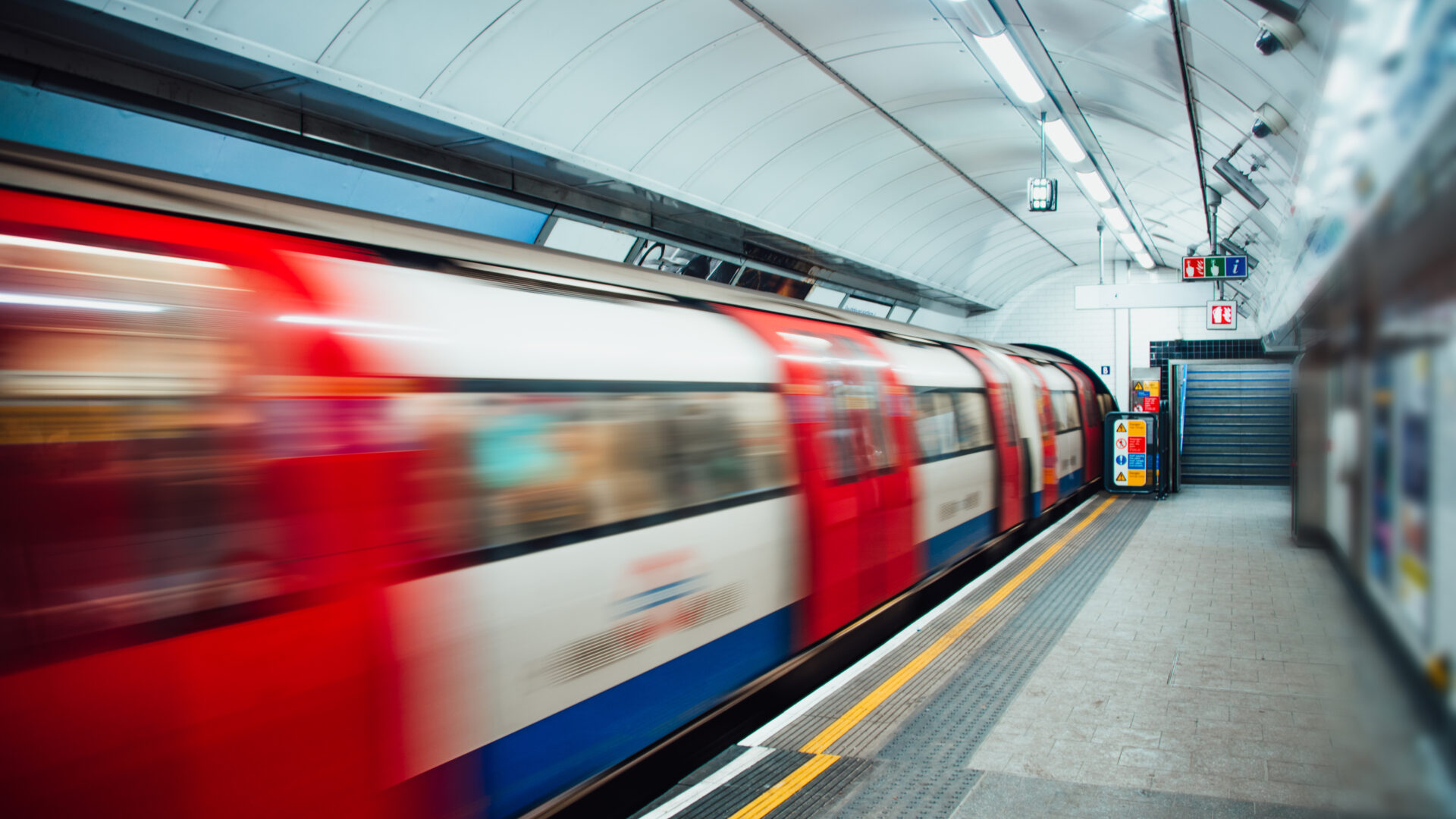
Transport is Ealing’s transformed strength, and the reason is the Elizabeth line. Since May 2022, Ealing Broadway has been a direct Elizabeth line station, putting Paddington 10 minutes, Bond Street and the West End around a quarter of an hour, Liverpool Street 22 minutes and Heathrow a straight ride west — all without changing. Ealing Broadway is also the western terminus of the Central line (a direct, if slower, run to Oxford Circus, Bank and the City), a District line station and a Great Western stop, so the town has four rail options from one interchange, backed by West Ealing and Ealing Common stations nearby. The honest caveat is that the District and Central lines are slow and busy at peak compared with the Elizabeth line, so the fast journeys are the Elizabeth line ones — check which service you actually need.
Bus Network
Ealing is well served by buses along the Uxbridge Road, Ealing Common and the town centre, linking the Broadway to Acton, Hanwell, Greenford, Brentford and Shepherd’s Bush. The buses do the local and orbital work the radial rail lines don’t, and night buses along the Uxbridge Road keep the town connected after the trains stop.
Commute Times
| Destination | Route | Station-to-station |
|---|---|---|
| Paddington | Elizabeth line direct | 10 min |
| Liverpool Street | Elizabeth line direct | 22 min |
| Bank | Elizabeth line + Tube | 29 min |
| Victoria | District line / via change | 32 min |
| Canary Wharf | Elizabeth line + change | 33 min |
Station-to-station, TfL Journey Planner, 08:30 weekday (30 Jul 2026), from Ealing Broadway. Add the time to reach and board your station. Paddington and Liverpool Street run direct on the Elizabeth line; the Central and District lines are slower alternatives from the same station.
Cycling and Walking
Ealing is walkable at its core — the Broadway, the stations, Walpole Park and Ealing Common all sit within a short walk of each other — and the parks and the Brent River path give quiet cycling routes away from the Uxbridge Road, which is the main through-traffic artery. The whole area is within the Ultra Low Emission Zone (ULEZ), London-wide since August 2023, so a non-compliant vehicle is charged daily.
Planned Improvements
The Elizabeth line was the generational upgrade, and it is complete; Ealing Broadway station itself was rebuilt with a new ticket hall and step-free access, finished in 2021. The town-centre regeneration at Dickens Yard and the Filmworks has reshaped the streets around the station rather than the transport itself.
Crime & Safety in Central Ealing
Source: Metropolitan Police via data.police.uk · Population: ONS Census 2021 · Updated monthly
The Numbers
PAL is not publishing a crime rate for Ealing: the harm-weighted dataset our scoring method requires does not yet cover this area. Crime data for Ealing is available from the Metropolitan Police at data.police.uk.
What the Data Tells You
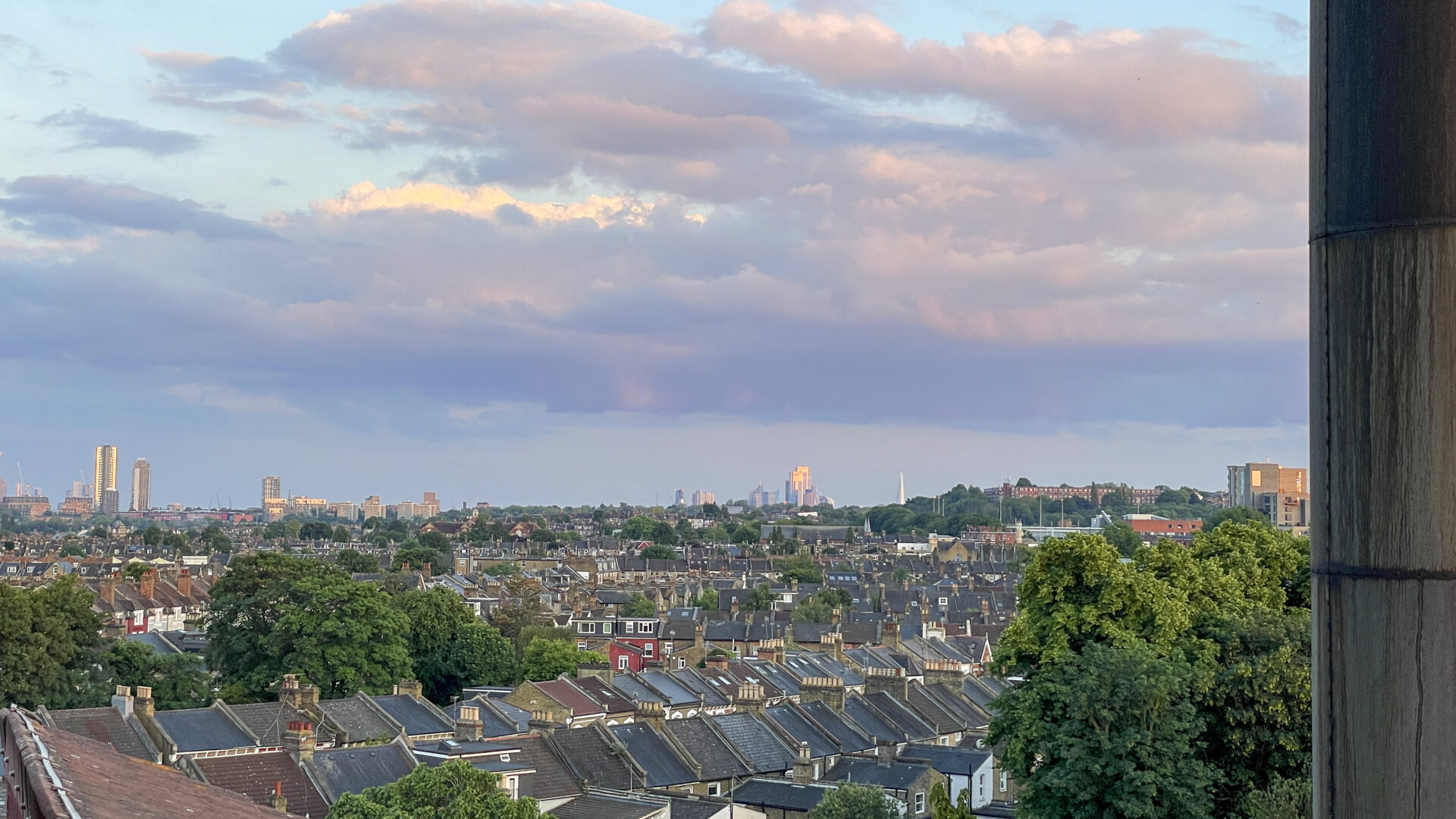
The largest category is anti-social behaviour, with violence and vehicle crime the next most common. The pattern is the familiar town-centre one: incidents cluster around Ealing Broadway — the shopping centre, the station and the evening venues, where footfall is heaviest — rather than on the residential streets. The Broadway pulls in shoppers, commuters and non-residents all day, and a share of the recorded crime comes with that footfall rather than from the quiet terraces and garden-suburb streets around it.
Street-Level Context
The split between the busy centre and the residential wards is the defining pattern. Around the Broadway and the Uxbridge Road corridor the everyday texture is a normal busy town centre — worth the usual care with a phone or bag on a Friday night. Move out into the conservation-area streets — Mount Park, Brentham, the villa roads off Ealing Common, the Edwardian streets of Pitshanger — and the picture is markedly quieter and more settled, which is exactly what the price premium in those pockets reflects.
What Residents Say
Residents describe Ealing as a place that “still feels like a community” — one long-time resident, writing on a local forum, said it is “perfectly acceptable to start chatting randomly to people on the street”, which is rare for London. The practical read matches the data: keep the usual town-centre awareness around the Broadway and the station after dark, and the residential streets are calm. For most families the safety profile is one of the reasons they choose Ealing over an edgier, cheaper inner-London option.
Unlock the Complete Central Ealing Guide
You’ve seen the headline data. Get the full picture — detailed narratives, council costs, community character, and our editorial verdict.
- 🎓 In-depth school, transport & crime analysis
- 🏛 Council tax & parking costs
- 🏘 Community character & local vibe
- ⭐ Editorial verdict, value assessment & future outlook
- 📦 Moving practicalities
By unlocking, you’re happy for us to email you this guide plus the occasional helpful update from Property Around London. No spam — unsubscribe anytime.
Council Fees in Central Ealing
Council Tax (Annual)
| Band C | Band D | Band E |
|---|---|---|
| £1,901 | £2,139 | £2,614 |
Source: London Borough of Ealing, 2026
Council Tax Bands
Ealing sits within the London Borough of Ealing, and its council tax is on the higher side for outer London — the Band D charge is £2,139 for 2026/27, up about 5% on the year, and well above the lowest-charging boroughs. This is a genuine running cost to weigh against the area’s appeal: most Ealing flats fall in Bands C–E and most period houses in Bands E–H, so a large Ealing Common or Mount Park house carries a meaningfully higher annual bill. It is one of the clearest trade-offs of buying here — you pay for the schools, the parks and the Elizabeth line partly through the rates.
Local Authority Services
Ealing Council runs the usual borough services, and has recently cut some of its charges. Garden-waste collection is a paid subscription at £75 a year for 2026/27 (reduced from nearly £100), and bulky-waste collections are £30 a visit (London Borough of Ealing, 2026) — both relevant mainly to the houses rather than the flats. Recycling and refuse are collected on the borough’s standard schedule; confirm the exact day and cadence for a specific street on the Ealing Council website before you move.
Waste and Recycling
Alongside kerbside recycling and refuse collection, the £75-a-year garden-waste subscription is the main chargeable extra for a house with a garden, with bulky-waste pickups at £30 an item. For a town-centre flat neither is usually relevant; for a Pitshanger or Ealing Common house they are small but real annual costs to factor in.
Libraries and Leisure
Ealing is well provided for. Ealing Central Library sits in the Broadway Shopping Centre, and the green-space offer is a genuine standout: Walpole Park (around 12 hectares, a Grade II*-registered park containing Pitzhanger Manor & Gallery, Sir John Soane’s restored country villa), Ealing Common (around 47 acres), Lammas Park and Pitshanger Park all sit within the W5 core, with Gunnersbury Park a short way south. Ealing Studios — the oldest continuously working film studio in the world — and The Questors Theatre, one of Europe’s largest community theatres, add a cultural depth few outer-London towns can match. These are covered in the community and verdict sections below.
Central Ealing Community Character
For a different premium family area, explore Battersea.
The Vibe — Queen of the Suburbs
Ealing wears its old nickname well. A Saturday in the W5 core starts on the Broadway — a genuine town centre rather than a high-street strip, now stitched together with the shops and squares of Dickens Yard and the Filmworks — and drifts up to Pitshanger Lane, a village parade of more than 50 independents (a traditional butcher, baker, greengrocer and fishmonger among them) that was named Great British High Street of the Year in 2015.
The green heart is Walpole Park, wrapped around Pitzhanger Manor — Sir John Soane’s country villa, restored and reopened in 2019 as a house and gallery. The character is leafy, affluent and family-heavy, and residents notice it: as one long-time local put it on a community forum, in Ealing “it is perfectly acceptable to start chatting randomly to people on the street” — rare for London.
After Dark
Ealing’s evenings are comfortable rather than buzzy, and that is the point. The Ealing Picturehouse at the Filmworks — an eight-screen cinema, café and bar on the town’s historic cinema site — opened in 2023, and The Questors Theatre on Mattock Lane, one of the largest community theatres in Europe, has been staging some twenty productions a year since 1929. Around the Broadway and Dickens Yard sits a spread of restaurants and bars.
What Ealing is not is a late-night destination. This is a suburban town that closes earlier than inner London, and residents who want a heavier night out take the Elizabeth line into the centre — 20 to 30 minutes away. For most who live here, parks and quiet streets by day and a cinema or theatre in the evening is exactly the trade they wanted.
Places Locals Actually Use
The parks do the daily work. Walpole Park and Lammas Park are the everyday green lungs, with Ealing Common and Pitshanger Park close by — an unusual amount of open space for an outer-London centre. Pitshanger Lane handles the village shop-and-coffee routine, while the Broadway and its shopping centre cover mainstream retail and the transport hub.
Ealing also lives alongside a working landmark: Ealing Studios, recognised as the oldest continuously working film studio in the world, has made films on Ealing Green since 1902 and still shoots there today — recent productions include Downton Abbey and The Crown. It is a reminder that the suburb has a century of quiet cultural weight behind the leafy streets.
Through the Seasons
Summer belongs to Walpole Park. The long-running Ealing Summer Festivals fill it across July, including the Ealing Comedy Festival and the Ealing Jazz Festival, while Pitzhanger Manor & Gallery runs a changing exhibition programme year-round. Autumn and winter bring the town-centre Christmas activity around the Broadway and Dickens Yard, and Pitshanger Lane’s own Light Up the Lane switch-on — a small village event that captures how Ealing still works at neighbourhood scale.
It is a calendar built around parks, independents and community rather than spectacle — which is, again, precisely the Queen-of-the-Suburbs appeal.
Source: Google Maps, OS Open Greenspace & editorial research, 2026

The original Queen of the Suburbs — Outstanding schools, big parks and a fast Elizabeth line, at an outer-London premium.
Ealing is the original “Queen of the Suburbs” — a leafy, house-proud W5 town centre.
Ealing scores 51/100 on the PAL Score — our weighted rating across six core criteria that define what makes a London neighbourhood work for buyers.
How We Score
Each criterion is normalised on a 0–100 scale across every London neighbourhood we cover, so a score describes how Ealing compares with the rest of the city, not an absolute mark.
The Breakdown
| Criterion | Score (/100) | What it means |
|---|---|---|
| School Quality | 48 | Two Outstanding state secondaries and an Outstanding primary, with strong Good provision across both phases and a deep independent sector. |
| Transport Connectivity | 64 | The Elizabeth line from Ealing Broadway plus the Central, District and Great Western lines — four rail options and a fast, direct run to the West End, City and Heathrow. |
| Crime / Safety | Not scored — the harm-weighted dataset our scoring method requires does not yet cover this area. | |
| Property Price Affordability | 51 | An expensive, house-heavy premium market — affordability is the score that pulls Ealing down, not its strengths. |
| Green Space Access | 41 | Walpole Park, Ealing Common, Lammas and Pitshanger Parks give the town a genuine green-space depth for an outer-London centre. |
| Local Amenities | 46 | A real town centre — the Broadway, Dickens Yard and the Filmworks — plus Pitshanger Lane’s independents and a strong cultural offer. |
Scores use the PAL 0–100 scale, z-score normalised across all London neighbourhoods and displayed as integers. See the PAL Score Architecture for methodology.
What This Means
Schools and transport carry Ealing, and they are the two reasons most buyers look here. The schools score reflects genuine choice across both phases — two Outstanding secondaries is rare for outer London — while transport has been transformed by the Elizabeth line, which put the West End, the City and Heathrow within a fast, direct ride. Green space and amenities are real strengths too: few outer-London towns pair Walpole Park and Ealing Common with a regenerated centre and a village high street at Pitshanger Lane. What pulls the overall down is affordability (51/100) — this is an expensive, house-heavy market where a period house costs serious money, and the high council tax adds to the running cost. Safety is not scored for Ealing — the harm-weighted dataset our scoring method requires does not yet cover this area. The resulting 51/100 is a Good score that rewards a family or professional who can afford the area and wants schools, parks and a fast commute in one place — and warns off anyone whose first test is value for money.
For a livelier Zone 2 alternative, see how Clapham weighs up.
✗ May Not Suit
💰 Value Assessment
Ealing is a premium outer-London market, and value is not its pitch. You pay for schools, green space and the Elizabeth line rather than a bargain, and the comparatively high council tax adds to the running cost. Entry points exist in period-conversion and new-build flats near the station; a family house in Pitshanger, Ealing Common or Brentham is firmly premium. The trade-off is space, greenery and a genuine town centre that cheaper areas can’t match.
Our Recommendation
Who's Central Ealing for?
Ealing could be a strong fit if you:
- Have school-age children and want genuine choice. Two Outstanding state secondaries plus an Outstanding primary and a deep bench of Good schools is rare for outer London.
- Commute to the West End, the City or Heathrow. The Elizabeth line runs direct from Ealing Broadway — Paddington in about 10 minutes, Bond Street in around a quarter of an hour.
- Want period houses and green space together. Victorian and Edwardian streets wrap around Walpole Park, Ealing Common and Lammas Park in a way few outer-London towns match.
- Value a real town centre. The Broadway, Dickens Yard, the Filmworks cinema and Pitshanger Lane’s independents give Ealing more than a commuter high street.
- Want a settled, community-minded suburb. The “Queen of the Suburbs” character is genuine — leafy, family-heavy and quieter than inner London.
Think twice if you:
- Are testing the area on value for money. Ealing is expensive across the board, and a period house means serious money — affordability is the weakest part of its score.
- Want low running costs. Ealing’s council tax is among the higher outer-London charges, a real annual cost on top of the price.
- Need late-night life on your doorstep. Evenings here are cinema-and-theatre suburban, not buzzy; central London is 20–30 minutes away for nightlife.
- Are buying purely for capital growth. This is an established, high-value market, more steady than fast-rising.
- Rely on the Central or District line rather than the Elizabeth line. Those are slow and busy at peak; Ealing’s speed is the Elizabeth line specifically.
The Real Picture
Ealing is the “Queen of the Suburbs” living up to the name: a leafy, house-proud west-London town built around parks, strong schools and, since 2022, a fast Elizabeth line into town. You buy here for the schools, the green space and the commute, and you accept in return high prices, a high council-tax bill and evenings that are comfortable rather than lively. For a family or professional who can afford it and wants space, greenery and a genuine town centre with a quick route to the West End, it fits beautifully. For anyone whose first test is value, or who wants inner-London energy, it will feel dear and a little quiet.
Moving to Central Ealing: The Practical Side
Council Tax
Ealing is in the London Borough of Ealing — a comparatively high-charging outer borough.
The Band D charge is £2,139.
Source: London Borough of Ealing, 2026/27 (Band D £2,138.53, up 4.99% on 2025/26). Bands other than D are set by statute as fixed proportions of the Band D charge. Confirm the current figure on the Ealing Council website before relying on it.
Parking
Much of the W5 core sits within Controlled Parking Zones, so check the specific zone for any address on the Ealing parking map before assuming you can park on-street. Ealing prices resident permits on an emissions-based scale — from around £55 a year for a low-emission or electric car up to roughly £340 for the highest-emission band, with a diesel surcharge and a higher charge for a second household vehicle (London Borough of Ealing, from April 2025). Permits are virtual, enforced by number plate. On-street parking around the Broadway and the station is tight; the conservation-area streets are easier but still permit-controlled. For most residents the Elizabeth line and the buses make a car optional.
GP Surgeries
Ealing is served by practices including The Corfton Road Surgery (Corfton Road, W5 2HS) and The Boileau Road Surgery (W5 3AJ) — both rated Good by the Care Quality Commission (CQC, ratings as displayed 2026). The nearest hospital with a 24-hour A&E is Ealing Hospital (Uxbridge Road, Southall, UB1 3HU), about two and a half miles west, run by London North West University Healthcare NHS Trust (CQC: Requires Improvement overall). Note that Ealing Hospital’s A&E is adults-only — children’s emergencies route to West Middlesex, Northwick Park or Hillingdon — and Charing Cross Hospital in Hammersmith is a comparable alternative to the east.
Utilities and Broadband
Broadband is good but not yet fibre-saturated: the borough is around 76% gigabit-capable and about 98% superfast, but full-fibre (FTTP) coverage is still rolling out and sits below the England average at roughly 21% (thinkbroadband, 2026), so check the exact address rather than assuming full fibre — the new-build developments at Dickens Yard and the Filmworks are the best-connected. Energy costs track the Ofgem outer-London regional average; the large period houses of Ealing Common and Mount Park tend to carry weaker energy ratings than the new town-centre flats, so read the EPC before you buy.
Removals and Access
Ealing moves fall into two types. A move into a new-build flat at Dickens Yard or the Filmworks usually means a booked service lift and a loading bay — straightforward, but arrange the slot with the building’s concierge in advance. A move into a period house in Ealing Common, Pitshanger or Brentham is the more involved case: conservation-area streets, Controlled Parking Zones that may need a suspended-bay dispensation from Ealing for the van, and the large Victorian houses’ narrow stairs. Measure carefully, arrange any parking suspension ahead of time, and avoid the Broadway at peak, where town-centre traffic is heaviest.
Frequently Asked Questions
Common questions about living in Central Ealing, answered with data from our research.
The median flat in Ealing sold for £450k over the past year (HM Land Registry, W5) — flats make up around three-quarters of town-centre sales. Entry-level flats are period conversions of the area’s big Victorian and Edwardian houses; the top of the range is the new-build stock at Dickens Yard and the Filmworks, with lifts and concierge. Ealing is a dearer market than neighbouring Acton, reflecting its schools, parks and Elizabeth line access.
Since the Elizabeth line opened in 2022, Ealing Broadway runs direct to Paddington in about 10 minutes, Bond Street and the West End in around a quarter of an hour, and Liverpool Street in 22 minutes (TfL, station-to-station, 08:30 weekday; add your walk to the station). Ealing Broadway is also the Central line terminus and a District and Great Western station, so there are four rail options — though the Elizabeth line is much the fastest.
Yes — schools are one of Ealing’s strongest draws. There are 10 state schools within reach rated Good or Outstanding, including 3 rated Outstanding. Unusually for outer London there are two Outstanding state secondaries — The Ellen Wilkinson School for Girls and Ada Lovelace CofE High — alongside Holy Family Catholic Primary (Outstanding) and a deep bench of Good primaries. The catch is that the best schools are oversubscribed and admit on tight distance, sex or faith criteria, so check each school’s admissions directly.
PAL has not published a Safety Score for Ealing: the harm-weighted dataset our scoring method requires does not yet cover this area. Crime data for Ealing is available from the Metropolitan Police at data.police.uk.
Council tax is set by the London Borough of Ealing, and it is on the higher side for outer London — the Band D charge is £2,139 for 2026/27, up about 5% on the year. Most flats fall in Bands C–E and most houses in Bands E–H, so a large period house carries a meaningfully higher bill. Ealing has recently cut some charges — garden-waste collection is £75 a year and bulky-waste pickups £30 an item — but the headline council tax remains a real running cost to weigh against the area’s appeal.
They serve different buyers. Ealing is the pricier, more established option — a genuine town centre with two Outstanding secondaries, more green space, period houses and the “Queen of the Suburbs” character. Acton, one stop east, is cheaper and more regeneration-led, with its own Elizabeth line station and a faster-changing, younger feel. Both share the Elizabeth line’s fast central-London access; Ealing leans family-and-schools, Acton leans value-and-change.
It is the single biggest reason to buy in Ealing today. Ealing Broadway has run direct Elizabeth line services since May 2022, giving fast, turn-up-and-go trains to Paddington (10 minutes), the West End, the City and Canary Wharf, plus a straight run west to Heathrow — all without changing. It sits alongside the Central line (a direct if slower City route), the District line and Great Western services, making Ealing Broadway one of the best-connected stations in outer west London.
Ealing is one of outer-west London’s most family-oriented towns — the “Queen of the Suburbs” tag reflects its greenery, period houses and schools. Two Outstanding state secondaries, a strong set of primaries, Walpole Park and Ealing Common on the doorstep, and the Elizabeth line for commuting parents make it a natural family choice. The trade-offs are cost — houses are expensive and the best school catchments are tight — and a comparatively high council tax.
Ealing’s evenings are comfortable and suburban rather than buzzy. The town centre has the eight-screen Ealing Picturehouse at the Filmworks, The Questors Theatre on Mattock Lane (one of Europe’s largest community theatres), and a spread of restaurants and bars around the Broadway and Dickens Yard, but it is not a late-night destination — central London and its nightlife are around 20–30 minutes away on the Elizabeth line. For most residents that balance — parks and quiet streets by day, cinema and theatre in the evening — is the appeal.
Data from HM Land Registry, Ofsted, Metropolitan Police & TfL. Page last regenerated 2 September 2026.
Moving to Central Ealing?
Get our free moving checklist and local tips delivered to your inbox.
No spam. Unsubscribe anytime.