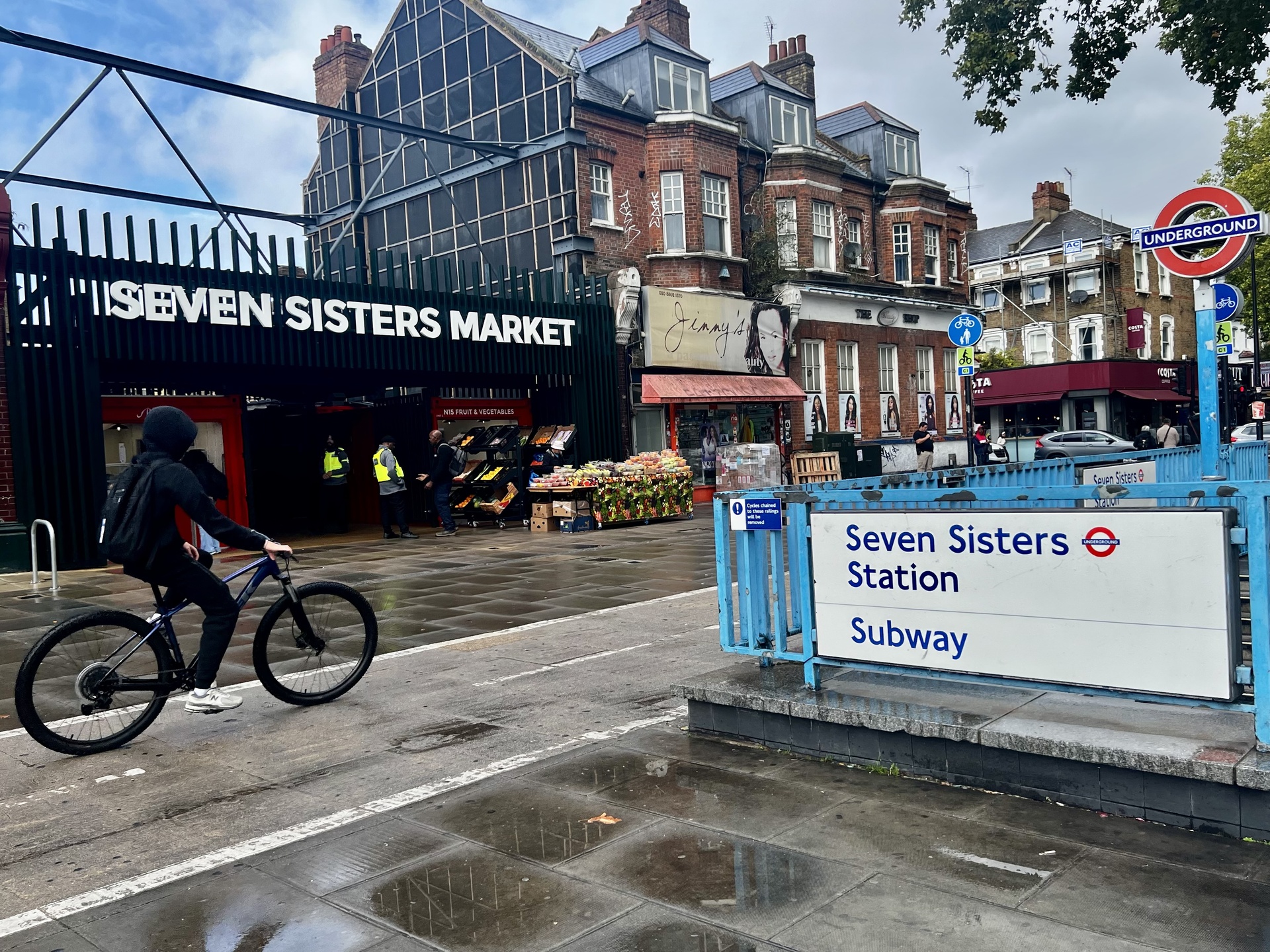
Property Prices in Seven Sisters
Source: HM Land Registry Price Paid Data — median sold prices over a rolling 12-month window
Source: HM Land Registry.
Market Position & Budget Bands
Seven Sisters is one of the more affordable ways onto the Victoria line, and that is the whole pitch. The overall median sold price is £538k (HM Land Registry); flats are the dominant stock at a £405k median, sitting below Victoria line neighbours further out. The choice here is genuinely between a flat and a period terrace, with little in between — the market splits between the ex-local-authority blocks near the station and the Victorian streets of West Green, while semi-detached and detached houses barely trade and aren’t a realistic target. It is on the thin side, too: a modest rate of turnover for an area this size, so the right property doesn’t come up often and a buyer with a specific requirement may need patience. Buyers are mostly people priced out of Hackney and Finsbury Park who still want a fast Zone 1 commute, plus investors drawn to the yield and the regeneration story.
What Your Budget Buys
The flat market is where Seven Sisters earns its affordability. It starts from around £128k — studios and one-beds in ex-local-authority blocks and 1980s conversions around the station and Seven Sisters Road — rises through the bulk of the market at a £405k median (one- and two-bedroom period conversions and new-build stock spilling west from the Tottenham Hale regeneration), and tops out around £810k for the largest.
Houses mean terraces. The cheapest, mostly in South Tottenham, begin around £377k; the typical Victorian and Edwardian terraced family house — gardens, scope to extend, concentrated in West Green — sits at £675k, and the largest period terraces on the best West Green streets reach £1.13m. Semi-detached and detached houses barely register as a market here.
What Drives Values
Seven Sisters’ story is tied to Tottenham’s wider regeneration rather than to anything on the high street itself. What holds value: the Victoria line’s fast Zone 1 run from a Zone 3 price, and the Tottenham Hale housing zone one stop east, which is delivering several thousand new homes and a Stratford-style regeneration narrative that underpins steady demand from entry-level buyers. The culture is a genuine draw too — a long-standing Latin American and Afro-Caribbean community around the station and Seven Sisters Road. What tempers value: Seven Sisters has under-grown its Victoria line neighbours in recent years and sits on the cheaper, less-polished side of the line, with a thin market and no prestige postcode — the case here is connectivity, culture and relative value rather than a guaranteed fast riser. (The Tottenham Hotspur stadium and High Road West scheme often cited nearby are in N17, north of the neighbourhood itself.) The live median and by-type figures are in the cards above and on the price comparison page.
Leasehold vs Freehold
Seven Sisters’ flats are predominantly leasehold, spanning ex-local-authority blocks, 1980s and period conversions near the station, and the newer build spilling from Tottenham Hale — the last of these carrying modern long leases but higher service charges for lifts and communal upkeep. On the conversions, check the remaining lease length and the service-charge history before committing. The Victorian and Edwardian terraces of West Green and South Tottenham are almost all freehold.
Rental Yields (Buy-to-Let Context)
One-bedroom flats in Seven Sisters typically rent for £1,400–£1,700 per month, with two-beds at £1,800–£2,300 (Rightmove and Foxtons listings). Against the £405k median flat price, that puts gross yields in the region of 4.5–5.5% — solid for North London, driven by the lower entry price rather than premium rents. Tenant demand is broad and reliable: Victoria line commuters, students at the Capital City College campus by the station, and a long-standing Latin American and Afro-Caribbean community. Voids are short. The main caveat is the volume of new build-to-rent supply at Tottenham Hale, which caps rent growth at the cheaper end of the market.
How Seven Sisters compares nearby
Median sold price, all property types, against the nearest comparable areas we cover.
HM Land Registry · prices last updated 5 August 2026
Schools in Seven Sisters

🏫 Primary
🏛 Secondary
Harris Primary Academy Philip Lane
The Willow Primary School
Belmont Infant School
Belmont Junior School
St Ignatius RC Primary School
Park View School
Data: Ofsted, 2 September 2026
School Overview
Seven Sisters has 6 schools rated Good or Outstanding within reach, including 2 rated Outstanding by Ofsted (Ofsted, February 2026) — a solid but not exceptional picture, and one weighted heavily towards the primary phase. The closest and most relevant schools are listed in the cards below; the wider count reflects everything within roughly two miles, which on the eastern edge reaches into N17.
Primary Schools
The primary offer is the area’s educational strength. Harris Primary Academy Philip Lane (N15) is rated Outstanding (Ofsted, June 2024) and is the standout. St Ann’s Church of England Primary is Good (Ofsted, November 2023), and South Grove Primary — formerly Seven Sisters Primary — was judged Good across all areas at its October 2024 inspection (under Ofsted’s current report-card format, which no longer gives a single overall word). Demand for the Outstanding places is high, so distance matters.
Secondary Schools
Secondary choice is thinner, and it is the honest weak spot. Park View School (West Green Road) is rated Good (Ofsted, February 2023) and posted a Progress 8 score of roughly +0.01 for 2023–24 — broadly in line with the national average. There is no Outstanding-rated mainstream secondary inside the neighbourhood; families targeting one look to The Grove (Outstanding, February 2023), which is a specialist autism academy in neighbouring N17 rather than a mainstream option, or further afield in Haringey. Attainment 8 across local secondaries tops out around 5.6.
Catchment Reality
Admissions here are distance-driven rather than faith- or test-driven, so proximity to the Outstanding primary is what counts — Harris Philip Lane’s last-offer distances are tight in a normal year. There are no grammar schools, and the borough boundary with Hackney to the south and Waltham Forest to the east means some families apply across council lines; check each council’s admissions arrangements rather than assuming a single catchment.
Transport & Commute: Seven Sisters
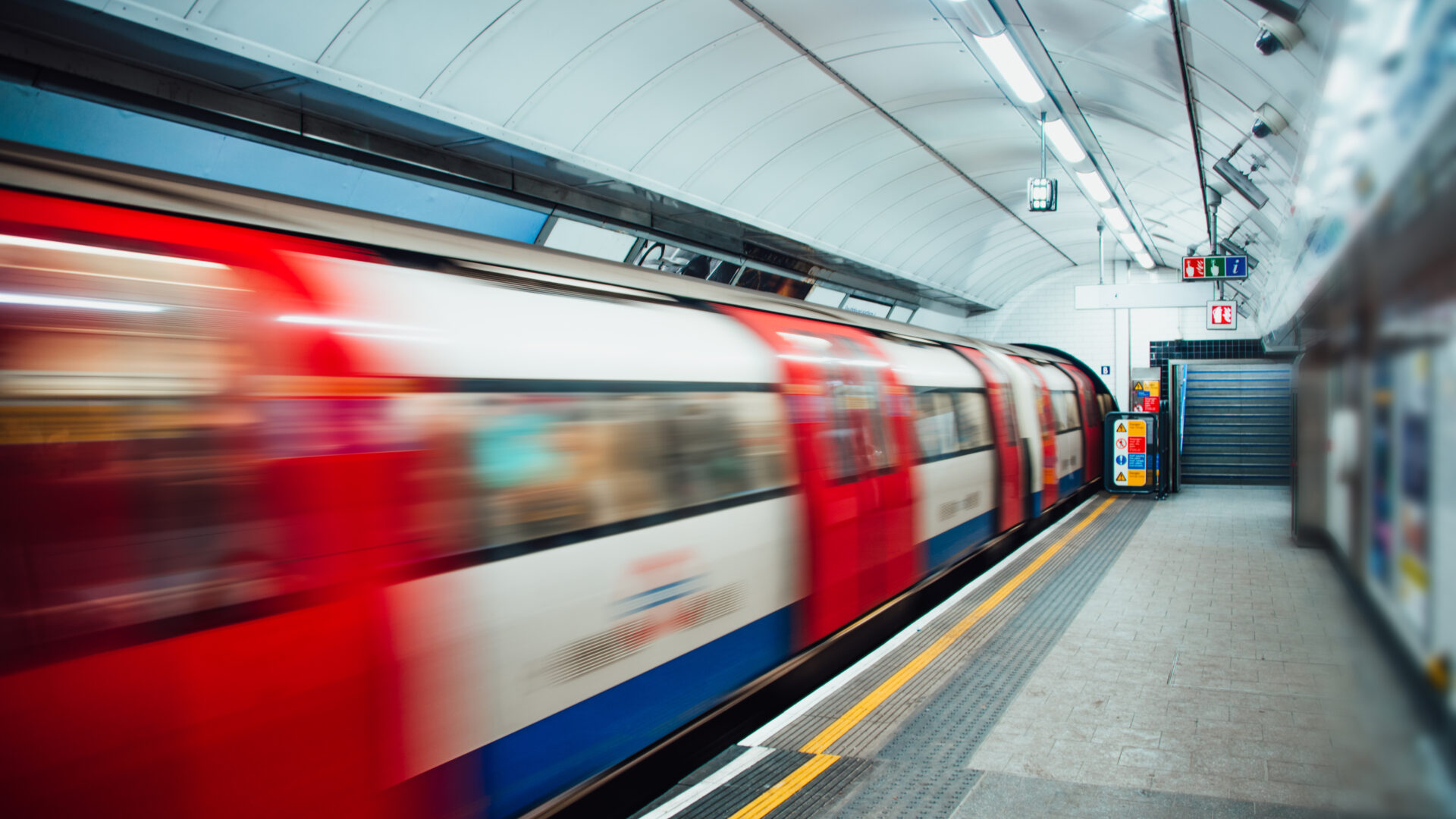
Commute Times
Source: TfL Journey Planner, 2026. All times are station-to-station (boarding to alighting); add 5–10 minutes for walking to your nearest station and waiting.
Rail and Tube
Seven Sisters’ defining asset is the Victoria line (Zone 3), which runs through the centre of town and includes 24-hour Night Tube service on Friday and Saturday nights. The same station carries London Overground’s Weaver line (renamed November 2024, formerly the Liverpool Street suburban services) down to Liverpool Street, giving a second rail route into the City. South Tottenham, about 350 metres away, adds the Suffragette line (the renamed Gospel Oak to Barking Overground) for east–west journeys. One stop east, Tottenham Hale brings Greater Anglia and the Stansted Express — useful to know, though those do not call at Seven Sisters itself.
Bus Network
The station is a busy bus interchange. Core routes include the 76, 149, 243, 318, 349 and 476, with night route N73; the 149 is a 24-hour service running through Stamford Hill and Dalston to London Bridge. Between the Night Tube and the night buses, getting home after midnight is genuinely easy here — not something every Zone 3 area can claim.
Commute Times
| Destination | Route | Station-to-station |
|---|---|---|
| King’s Cross St Pancras | Victoria line | 9 min |
| Victoria | Victoria line | 19 min |
| Bank | Victoria line + change | 27 min |
| Liverpool Street | Overground (Weaver line) | 26 min |
| Westminster | Victoria line + change | 25 min |
| Canary Wharf | Victoria line + Elizabeth/rail | 31 min |
All times are station-to-station (boarding to alighting), TfL Journey Planner, 08:30 weekday. Add 5–10 minutes for walking to the station and waiting.
Cycling and Walking
The terrain is flat and the Lea Valley towpath, reached via Tottenham Hale, gives a traffic-free cycling route south to the Olympic Park and north into the Lee Valley. On-road cycling along Seven Sisters Road and the High Road is busier and less forgiving. The area sits within the ULEZ, so non-compliant vehicles pay the daily charge.
Crime & Safety in Seven Sisters
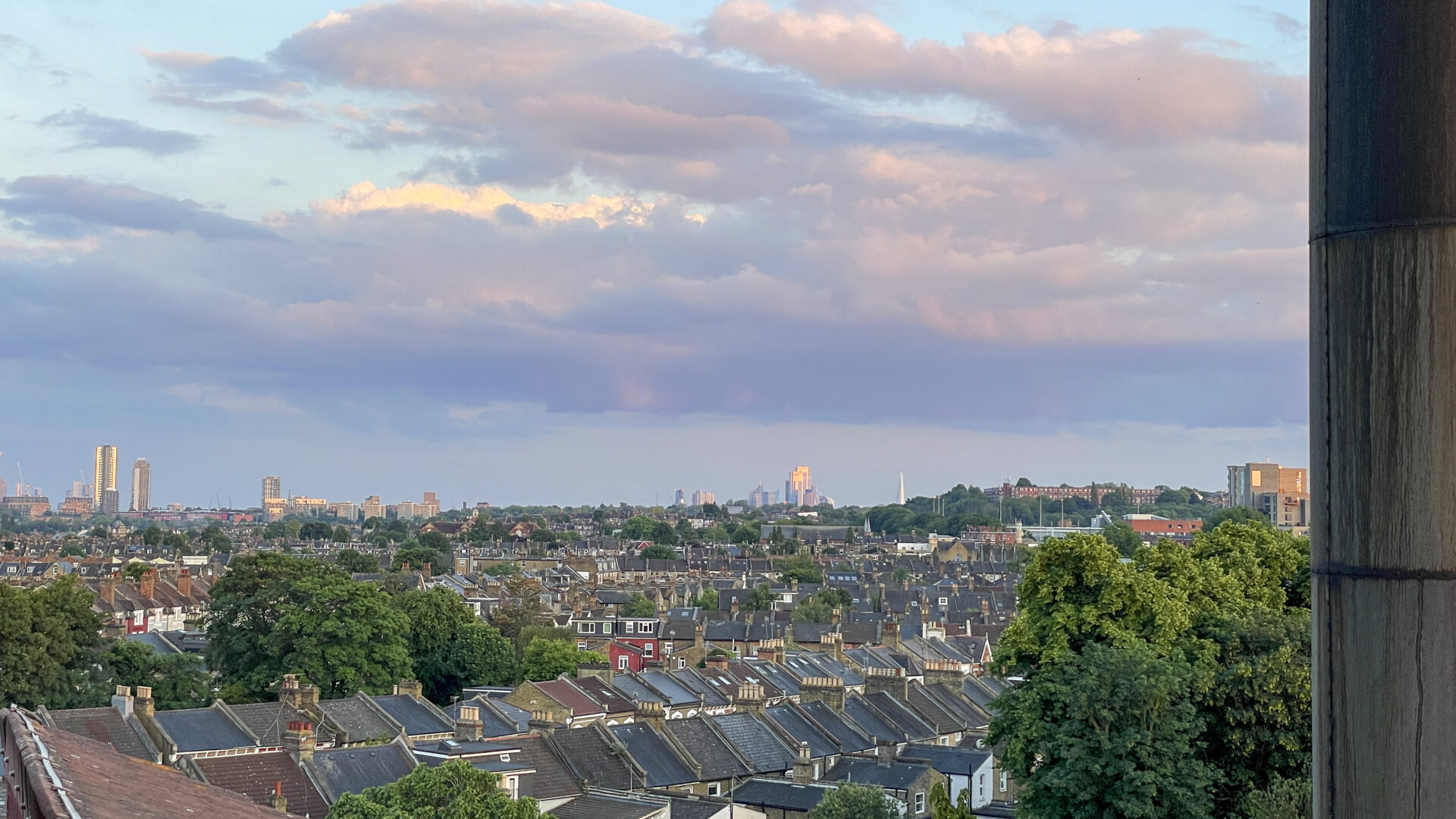
Top Concern
Source: Metropolitan Police via data.police.uk · Population: ONS Census 2021 · Updated monthly
The Numbers
Seven Sisters’ recorded crime runs 17% below the London average on a severity-weighted basis (data.police.uk, the latest 12-month period). On a residential basis — visitor and footfall theft set aside — the rate is 105 per 1,000 residents, 18% below the London average. 12-month trend: Falling (-5.8%). The area scores 65/100 on the PAL Safety Score.
What the Data Tells You
The headline rate hides a real internal split: crime concentrates in the Seven Sisters ward area around the station and high road, while West Green is markedly quieter.
Street-Level Context
Historic characterisations of Tottenham as a “gang hotspot” are dated and not the day-to-day reality, but the area is urban and busy, and the station environs feel livelier after dark than leafier Zone 3 suburbs. A dedicated Seven Sisters Safer Neighbourhoods Team covers the ward. If you are weighing the lowest-crime North London options above all else, this is not it; if you read the ward-level numbers and pick your street, the picture is reassuringly ordinary.
Unlock the Complete Seven Sisters Guide
You’ve seen the headline data. Get the full picture — detailed narratives, council costs, community character, and our editorial verdict.
- 🎓 In-depth school, transport & crime analysis
- 🏛 Council tax & parking costs
- 🏘 Community character & local vibe
- ⭐ Editorial verdict, value assessment & future outlook
- 📦 Moving practicalities
By unlocking, you’re happy for us to email you this guide plus the occasional helpful update from Property Around London. No spam — unsubscribe anytime.
Council Fees in Seven Sisters
Council Tax (Annual)
| Band C | Band D | Band E |
|---|---|---|
| £2,057 | £2,314 | £2,828 |
Parking
Source: London Borough of Haringey, 2026
Council Tax Bands
Seven Sisters falls within the London Borough of Haringey. The Band D charge for 2026/27 is £2,314, around the Outer London average. Band C is £2,057 and Band E £2,828 (London Borough of Haringey, 2026/27). Most flats sit in Bands B–C and most terraced houses in Bands C–E, so the typical owner pays towards the middle of that range.
Local Authority Services
Haringey runs the usual borough services and has poured investment into the Tottenham corridor through its “Plan for Tottenham”. Refuse is collected fortnightly and recycling weekly; a garden waste subscription costs £67 a year and bulky-item collections are £20 per item.
Waste and Recycling
Recycling is weekly and general waste fortnightly — worth noting for a flat without much bin storage. Garden waste is the £67 annual opt-in above, and the nearest reuse and recycling centre is at Park View Road in Tottenham.
Libraries and Leisure
Marcus Garvey Library and the adjoining Tottenham Green Leisure Centre sit just south on Philip Lane, with a pool and gym; the Bernie Grant Arts Centre nearby is the local cultural anchor. Park provision is covered in the green-space picture below.
Seven Sisters Community Character
Salsa by the Ticket Hall
Step out at Seven Sisters and the junction is working London — buses, money-transfer shops and fruit stalls, not a boutique in sight. The first thing that marks it out is the sound: salsa drifting from the market beside the station.
Seven Sisters Market — the reopened Latin Village, back in a purpose-built home since October 2025 — is what anchors the area, where around 36 mostly Colombian stalls fry empanadas and trade in Spanish more than English. A butcher and a clutch of salons trade alongside the food stalls.
West Green Road carries the everyday version: Tottenham Town Bakery, going since 1973, and the Ghanaian Uncle John's a few doors down. Turn back into the Victorian terraces and the noise of the junction is gone within a block.
Candlelight, Then Quiet
The evening scene is small and clusters on West Green Road: Pasero pours wine by candlelight, and True Craft does craft beer and sourdough pizza a few doors along, with the bigger late pubs out on the main roads.
Beyond that the neighbourhood is residential and turns in early, and resident forums are candid that the streets right around the station feel edgier after dark than the quiet terraces. For most who buy here that calm is the point — a night out is a quick Victoria line hop to Hackney or the West End.
The Shortlist Locals Keep
Tottenham Town Bakery, 38 West Green Road — a Caribbean bakery going since 1973, where the morning queue is regulars rather than tourists.
Perkyn's, 10 Vicarage Parade — café and bottle shop in one, the natural-wine-and-coffee living room for West Green.
True Craft, 68 West Green Road — craft beer and sourdough pizza; the closest thing the area has to a local taproom.
Seven Sisters Market, by the station — the Latin Village, for Colombian coffee and a plate of empanadas, not a gift shop.
Markfield Beam Engine café, Markfield Park — a park café beside a Grade II-listed Victorian engine; the weekend dog-walkers' refuel stop.
A Year on the Marshes
Spring Cherry-plum blossom and bee orchids come up on Tottenham Marshes, with kestrels hunting the rough grass along the Lea.
Summer The meadows turn toadflax-yellow and Markfield Park fills — café busy, skate park busier — on the long light evenings.
Autumn The Markfield Road Festival rounds off September as the cut meadows start to colour and the Lea Valley empties of summer crowds.
Winter Stonechats and linnets work the marsh edges, the Friends of Tottenham Marshes run their winter bird counts, and the Lordship Rec parkrun goes on whatever the frost.
Source: Google Maps, OS Open Greenspace & editorial research, 2026

Victoria line speed and a genuine Latin American heart — Zone 3 value, the reopened Seven Sisters Market and strong primary schools.
Seven Sisters offers some of the cheapest Victoria line access in London. The overall median sold price is £548,000, and flats average £413,000 — below Walthamstow and Wood Green on the same line.
Seven Sisters scores 54/100 on the PAL Score — our weighted rating across six core criteria that define what makes a London neighbourhood work for buyers.
How We Score
Each criterion is normalised on a 0–100 scale across every London neighbourhood we cover, so a score describes how Seven Sisters compares with the rest of the city, not an absolute mark out of ten.
The Breakdown
| Criterion | Score (/100) | What it means |
|---|---|---|
| Transport Connectivity | 72 | Victoria line with Night Tube plus two Overground routes; King’s Cross in 9 minutes. |
| Safety | 65 | Crime below the London average overall, but uneven between the station and West Green. |
| Property Price Affordability | 54 | Below its Victoria line neighbours, though not cheap in absolute terms. |
| School Quality | 53 | Strong primaries led by an Outstanding academy; thin secondary choice. |
| Local Amenities | 43 | A real market and high-street culture, but everyday retail is functional rather than rich. |
| Green Space Access | 44 | Adequate local parks; the Lea Valley is close but not on the doorstep. |
Scores use the PAL 0–100 scale, z-score normalised across all London neighbourhoods and displayed as integers. See the PAL Score Architecture for methodology.
What This Means
Transport (72/100) is what carries Seven Sisters — it is the area’s strongest dimension by a wide margin, and the main reason to buy here. Safety (65), affordability (54) and schools (53) cluster in the middle, each with a genuine caveat: crime is uneven, the entry price is only relatively low, and the secondary offer is thin. Amenities (43) and green space (44) pull the overall figure down — this is an inner-urban area where parks are adequate rather than abundant. The result, 54/100, is a Good score that rewards commuters and value-led buyers and warns off anyone prioritising green space, prestige or a top secondary on the doorstep.
✗ May Not Suit
💰 Value Assessment
At £537,500 overall, Seven Sisters carries only a modest gentrification premium. Terraced houses at around £675,000 are fair against pricier Walthamstow and Wood Green, while flats averaging £405,000 offer an affordable Victoria line entry with strong rental demand. The relative discount reflects a functional high street and uneven local crime, not weak fundamentals.
Our Recommendation
Who's Seven Sisters for?
Seven Sisters could be a strong fit if you:
- Commute into the West End or the City and want it fast and cheap. King’s Cross is 9 minutes and Victoria 19, station-to-station, on a line with Night Tube.
- Are buying your first flat and value the entry price. The median flat is £405k, below Walthamstow and Wood Green on the same line.
- Want a period house but can’t reach Walthamstow money. West Green terraces have a median of £675k, with seven-figure stock only at the top.
- Value a genuinely multicultural neighbourhood with a real Latin American identity centred on Seven Sisters Market.
- Like buying into regeneration — the Tottenham Hale housing zone and Haringey’s Plan for Tottenham are reshaping the area over the next decade.
Think twice if you:
- Want the lowest-crime North London option. Crime is below the London average overall, but the ward around the station runs well above the quieter West Green streets.
- Need a top-rated secondary on the doorstep. There is no Outstanding mainstream secondary in the neighbourhood; the strength is in the primaries.
- Are sensitive to surface-water flood risk. A third of the area sits in a high surface-water flood band along the culverted River Moselle.
- Are chasing quick capital growth. Five-year price growth has lagged Walthamstow and Wood Green markedly.
- Want a polished, finished high street. Seven Sisters Road and the High Road are functional and busy, not boutique.
The Real Picture
Seven Sisters is a connectivity-and-culture play, not a prestige one. You buy here because the Victoria line gets you almost anywhere fast, your money goes further than along the line in Walthamstow, and the area has a genuine identity — Colombian cafés, a reopened market, an Afro-Caribbean and Latin American mix you won’t find in a polished suburb. What you accept in return is a scruffy town centre, a thin secondary-school choice, real flood risk on the low ground, and a price record that has trailed its neighbours. For commuters and culturally-minded first-time buyers who care more about journey times and character than about postcode polish, that is a sound trade.
Moving to Seven Sisters: The Practical Side
Council Tax
Seven Sisters is in the London Borough of Haringey.
The Band D charge is £2,314.
Parking
Seven Sisters sits inside a Controlled Parking Zone operating Monday to Saturday, 8am–6:30pm. A first resident’s permit costs £55 a year, a second vehicle £120, and visitor permits £5 a day (Haringey, 2026/27). Outside CPZ hours, on-street parking is free but tight near the station; the West Green streets are easier than the blocks around Seven Sisters Road.
GP Surgeries
The area is well served for primary care: there are 16 GP practices within reach and 90.9% are rated Good by the Care Quality Commission. The nearest acute hospital is North Middlesex University Hospital in Edmonton, currently rated “Requires improvement” by the CQC (June 2026) — worth factoring in if hospital quality is a priority, as the better-rated Whittington and Royal Free sites are further west.
Utilities and Broadband
Most of the housing stock is Victorian and Edwardian terraces and mid-century flats, so energy performance varies widely — check the EPC before you commit, as the older conversions can be expensive to heat. Full-fibre broadband from Openreach and CityFibre is widely available across N15, with gigabit speeds on most streets.
Removals and Access
The West Green side is classic Victorian terraced street — narrow, with CPZ loading restrictions, so a removals van will usually need a suspended bay or dispensation from Haringey booked in advance. The flats near the station are easier for access but harder for parking the van. Several self-storage facilities sit along the Tottenham Hale and Lea Valley industrial strip a short drive east.
Frequently Asked Questions
Common questions about living in Seven Sisters, answered with data from our research.
The median flat in Seven Sisters sold for £405k over the past year (HM Land Registry, to April 2026), with the bulk of the 96 recorded sales between roughly £350,000 and £500,000. Entry-level studios have gone for as little as £128k, while the largest flats reach £810k. That makes Seven Sisters cheaper than Walthamstow or Wood Green on the same Victoria line.
Seven Sisters is on the Victoria line in Zone 3. King’s Cross St Pancras is 9 minutes station-to-station, Victoria is 19 minutes, and Bank is 27 minutes with one change (TfL Journey Planner, weekday peak). The Victoria line runs a 24-hour Night Tube on Friday and Saturday nights, and the same station has an Overground route to Liverpool Street.
The primaries are the strength. Harris Primary Academy Philip Lane is rated Outstanding (Ofsted, June 2024), and St Ann’s CE and South Grove are both Good. Secondary choice is thinner: Park View School is Good (Ofsted, February 2023) but there is no Outstanding mainstream secondary in the neighbourhood itself, so families often look across the borough boundary.
Seven Sisters’ recorded crime runs 17% below the London average on a severity-weighted basis (data.police.uk, the latest 12-month period). On a residential basis — visitor and footfall theft set aside — the rate is 105 per 1,000 residents, 18% below the London average. The 12-month trend is Falling (-5.8%). The figure is uneven: the ward around the station runs well above the quieter West Green streets, with theft and anti-social behaviour the most common offences. Pick your street and the picture is ordinary.
Council tax is set by the London Borough of Haringey. The Band D charge for 2026/27 is £2,314, around the Outer London average, with Band C at £2,057 and Band E at £2,828. Most local flats fall in Bands B–C, so the typical bill is towards the lower end of that range.
It depends on what you want. Both are Zone 3 on the Victoria line, but Seven Sisters is cheaper — its median flat is £405k against around £432,000 in Walthamstow — and a couple of minutes closer to King’s Cross. Walthamstow has stronger five-year price growth, a more developed café and market scene around the Village, and a wider secondary-school choice. Seven Sisters trades that for a lower entry price and a distinct Latin American identity. See our Walthamstow guide for the full comparison.
Seven Sisters Market, long known as the Latin Village or Pueblito Paisa, is the area’s cultural anchor — a covered market of mainly Latin American, especially Colombian, traders beside the station. It closed in 2020 and, after a roughly two-decade redevelopment dispute, reopened in a temporary purpose-built space on 4 October 2025, backed by £2m from the Mayor and TfL. The permanent future of the Wards Corner site above the station remains unresolved.
Parts of it are. Around a third of the neighbourhood sits in a high surface-water flood-risk band, along the course of the culverted River Moselle, with a medium risk from rivers and the sea (Environment Agency NaFRA2, 2026). Risk varies street by street, so check the Environment Agency’s flood map for any specific address before buying — the low ground near the watercourse is the most exposed.
Most of the visible change is at Tottenham Hale, one Victoria line stop east, where the council’s housing zone is delivering several thousand new homes (Hale Wharf and the Ashley Road Depot scheme among them). Haringey’s wider “Plan for Tottenham” targets up to 10,000 homes over the coming years. The Tottenham Hotspur stadium and the High Road West scheme sometimes mentioned alongside this are in N17, north of Seven Sisters rather than in the neighbourhood itself.
Data from HM Land Registry, Ofsted, Metropolitan Police & TfL. Page last regenerated 31 August 2026.
Moving to Seven Sisters?
Get our free moving checklist and local tips delivered to your inbox.
No spam. Unsubscribe anytime.