Property Prices in Canning Town
Source: HM Land Registry Price Paid Data — median sold prices over a rolling 12-month window
Source: HM Land Registry.
Market Position & Budget Bands
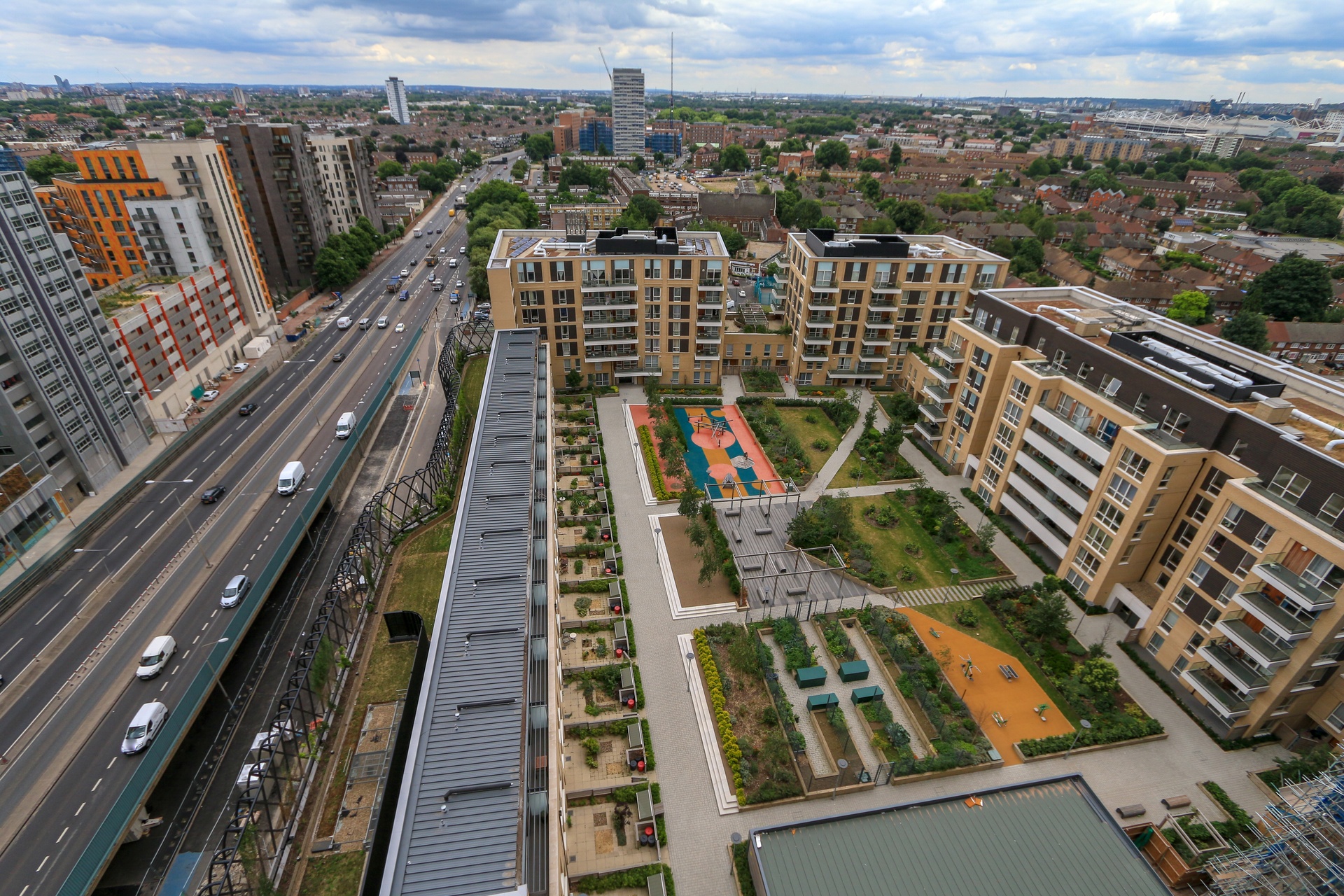
Canning Town is one of the cheapest ways to live within five minutes of Canary Wharf on the Jubilee line, and the stock is overwhelmingly new-build leasehold flats — the dominant type — which sell at a £410k median against an overall £425k (HM Land Registry). The spread is wide because the area is half-built: from older ex-council studios at the bottom to dock-view apartments in the new towers at the top. Buyers are mostly first-time buyers and investors chasing the Jubilee and DLR commute at a price the Wharf and Stratford no longer offer — but this is a market to enter with eyes open (see What Drives Values below). Anyone needing certainty of value, or a house with a garden, is shopping in the wrong postcode.
What Your Budget Buys
Flats dominate almost completely. At the bottom sit older-block and cheaper new-build studios and one-beds; the core of the market is one- and two-bedroom new-build leasehold flats around Hallsville Quarter, Rathbone Market and the Royal Docks waterfront, selling at a £410k median; and at the top are larger dock- and skyline-view apartments in the better towers such as London City Island.
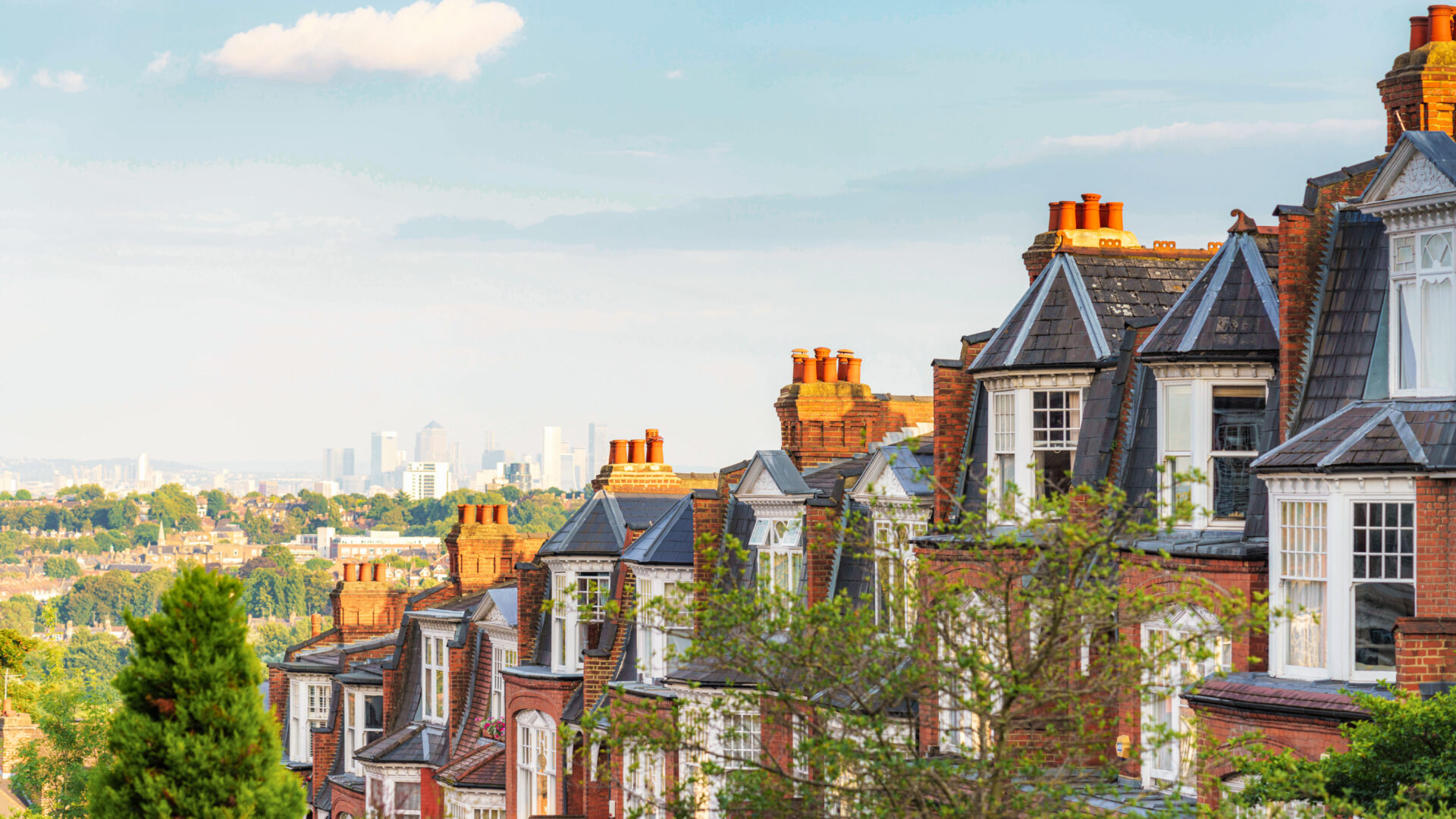
Houses are scarce and mostly older. The modest stock of terraces sells at around £440k, tucked away from the towers, with three-bed period terraces at the upper end. If you want a house with a garden, Canning Town has very little to offer — the area is built for flats.
What Drives Values
This is the section to read twice, because Canning Town carries a price risk most London areas don’t. It is almost entirely new-build leasehold flats — currently the weakest corner of the London market — and several forces weigh on values at once: high service charges, leasehold-reform uncertainty, cladding and building-safety concerns, and lenders turning cautious on flats with steep charges. On top of that sits supply — Hallsville Quarter, Royal Wharf, Manor Road Quarter and London City Island keep completing phases of near-identical flats at the same time, capping both prices and rents while you compete with developers’ own unsold and re-let stock. Values here have been under pressure rather than rising. The bet is that the half-finished town centre and the Royal Docks investment eventually turn that around — you are buying connectivity and regeneration upside, not something already proven. Check the current median in the cards above and on the price comparison page before you commit.
Leasehold vs Freehold
Almost everything you’ll look at here is leasehold — this is a new-build flat market. Service charges are the figure that catches buyers out: on the newer towers they commonly run into several thousand pounds a year, sometimes £3,000–£6,000, covering lifts, concierge, communal areas and building-safety works. Read the service-charge history and the budget for planned works, and check the lease terms and any cladding or remediation status carefully — these are the details that decide whether a Canning Town flat is a bargain or a liability. The area’s handful of older terraced houses are the main freehold option.
Rental Yields (Buy-to-Let Context)
Two-bedroom new-build flats in Canning Town rent for roughly £1,700–£2,200 a month, putting gross yields around 4.5–5.5% (Rightmove listings) — solid, and the reason investors are active here. Tenant demand is genuine: Canary Wharf workers who can’t afford the Wharf itself, and a steady churn of young professionals. The caveat is the same as for buyers — simultaneous new-build completions flood the lettings market with identical flats, so rent growth at the cheaper end is capped and void periods between tenancies can run longer than landlords expect.
How Canning Town compares nearby
Median sold price, all property types, against the nearest comparable areas we cover.
HM Land Registry · prices last updated 5 August 2026
Schools in Canning Town

🏫 Primary
🏛 Secondary
Curwen Primary School
Hallsville Primary School
Keir Hardie Primary School
Rosetta Primary School
Scott Wilkie Primary School
St Helen's Catholic Primary School
Britannia Village Primary School
Drew Primary School
Gainsborough Primary School
Grange Primary School
Ravenscroft Primary School
Royal Wharf Primary School
St Joachim's Catholic Primary School
St Luke's Primary School
Star Primary School
London Design and Engineering UTC
Oasis Academy Silvertown
Rokeby School
Royal Docks Academy
Data: Ofsted, 2 September 2026
School Overview
Canning Town’s schools are a genuine strength at primary level and a gap at secondary. There are 19 schools rated Good or Outstanding within reach, including 6 rated Outstanding by Ofsted — but the Outstanding grades are all in the primary phase. The closest and most relevant schools are listed in the cards below.
Primary Schools
The primary offer is strong and improving. Hallsville Primary (Radland Road) is rated Outstanding (Ofsted, January 2023); Keir Hardie Primary (E16) is Outstanding (Ofsted, March 2024); and Scott Wilkie Primary in Custom House is Outstanding (Ofsted, August 2023) — a notable turnaround from a previously weak inspection. Others nearby, such as St Luke’s and Star Primary, are rated Good.
Secondary Schools
Secondary is the honest weak spot. The principal local state secondary, Royal Docks Academy (Prince Regent Lane, E16), is rated Good (Ofsted, September 2021) and was re-inspected in January 2026 under Ofsted’s new report-card format. There is no Outstanding-rated secondary in the immediate Canning Town/Custom House catchment, though a strong one — Brampton Manor Academy — sits across the borough in East Ham for families willing to travel and meet its admissions distances.
Catchment Reality
Admissions here are distance-driven, and the Outstanding primaries are oversubscribed, so proximity matters in a normal year. There are no grammar schools. The borough boundary with Tower Hamlets to the west means some families apply across council lines; check each council’s arrangements rather than assuming a single catchment.
Transport & Commute: Canning Town
Commute Times
Source: TfL Journey Planner, 2026. All times are station-to-station (boarding to alighting); add 5–10 minutes for walking to your nearest station and waiting.
Rail and Tube
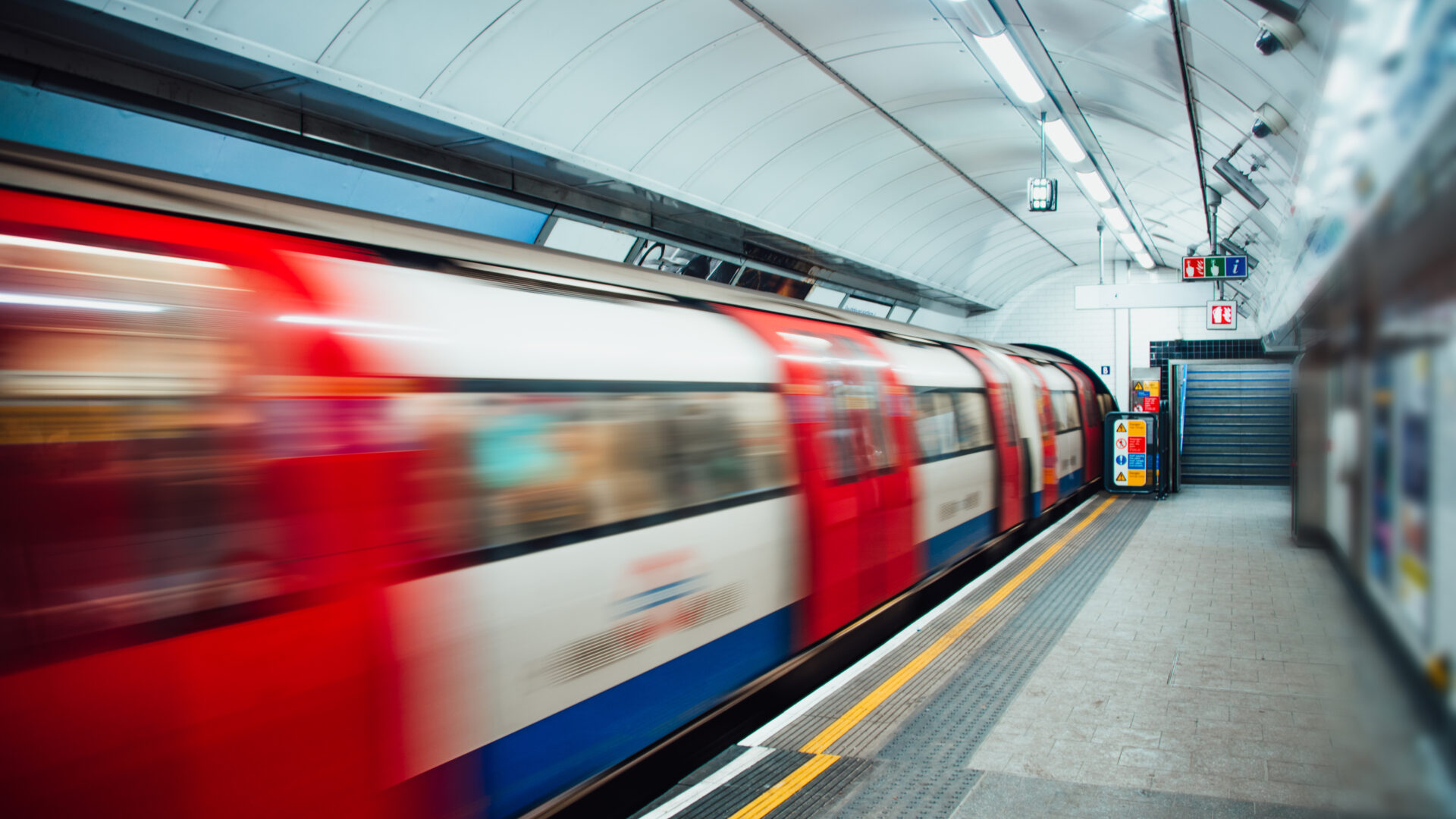
Transport is the reason to buy here, full stop. Canning Town is a stacked interchange — Jubilee line below, DLR above, and a seven-stand bus station at street level — and it puts Canary Wharf two stops away in about 5 minutes and Bank in 16. The Jubilee runs a 24-hour Night Tube on Friday and Saturday nights. It is hard to find this combination of speed and price anywhere else in London.
Bus Network
The bus station is a genuine hub, with routes fanning across Newham and into the East End, plus night services. Combined with the Night Tube, getting home late is easy.
Cycling and Walking
The terrain is flat, and the Lea River Park towpath — reached via Cody Dock and its hand-cranked rolling bridge — gives a traffic-free route north into the Lea Valley. On-road cycling along the A13 and Barking Road is busy and unforgiving. The area sits within the ULEZ.
Commute Times
| Destination | Route | Station-to-station |
|---|---|---|
| Canary Wharf | Jubilee line (2 stops) | 5 min |
| Bank | Jubilee line | 16 min |
| Liverpool Street | Jubilee + change | 18 min |
| Stratford | Jubilee line (2 stops) | — |
| Victoria | Jubilee line | 28 min |
| King’s Cross St Pancras | Jubilee + change | 31 min |
Station-to-station, TfL Journey Planner, 08:30 weekday. Add 5–10 minutes to reach and board. The DLR also runs east through the Royal Docks to London City Airport, ExCeL and Woolwich.
Crime & Safety in Canning Town
Top Concern
Source: Metropolitan Police via data.police.uk · Population: ONS Census 2021 · Updated monthly
The Numbers
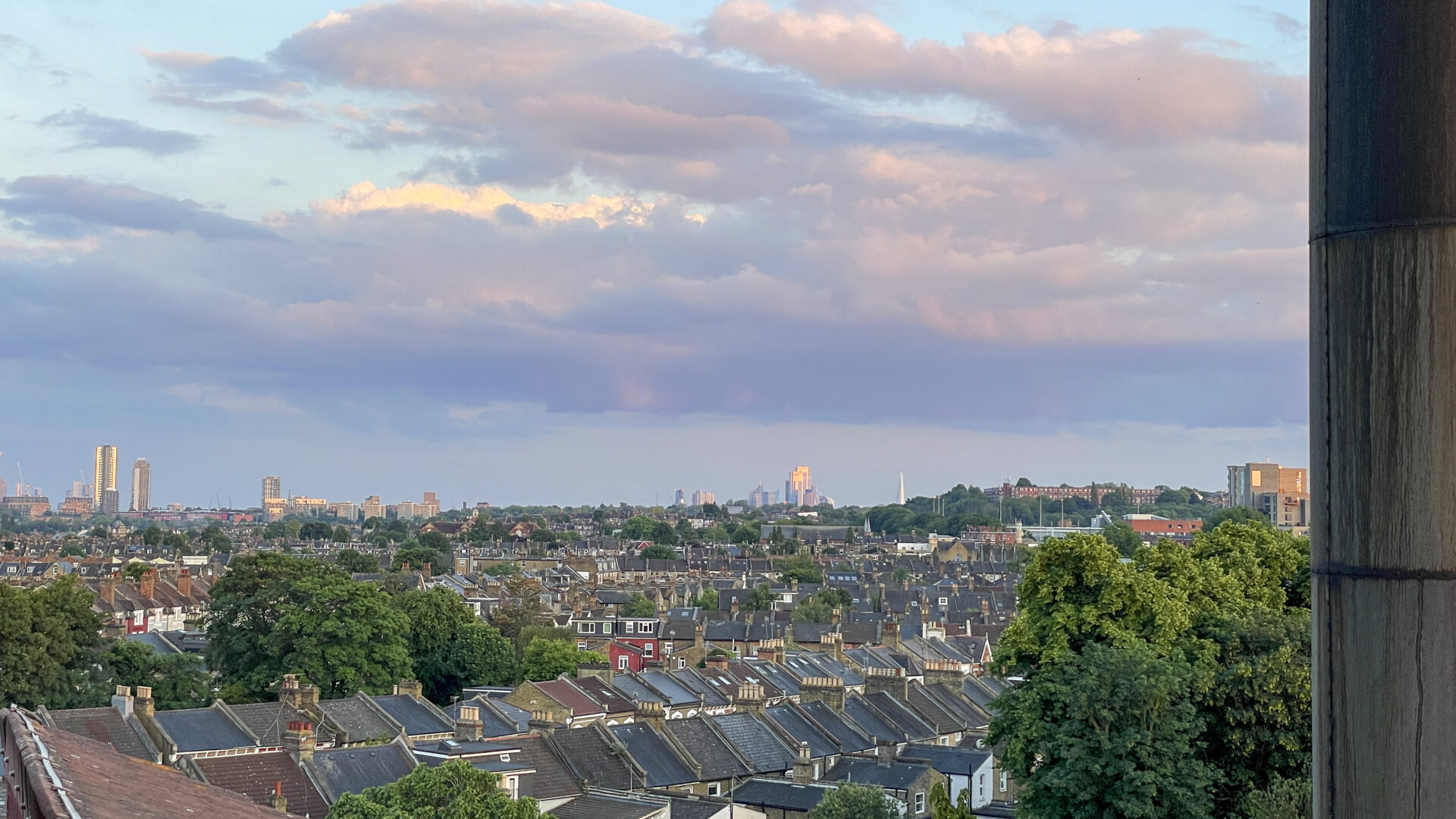
Canning Town scores 9/100 for safety on the PAL Score — a weak mark, and an earned one. Recorded crime runs 54% above the London average on a severity-weighted basis (data.police.uk, the latest 12-month period). On a residential basis — visitor and footfall theft set aside — the rate is 182 per 1,000 residents, 42% above the London average. Theft is the largest category at 26%, followed by violence and antisocial behaviour. The 12-month trend is Stable (+0.5%).
What the Data Tells You
The low score reflects real residential risk, not just passing trade. Residential burglary runs well above the London average — roughly double — and violence sits well above average too, so this is genuinely elevated crime for the people who live here, not a figure inflated only by outsiders. The raw all-crime and theft totals are then pushed higher still by footfall: the station, the bus interchange, the retail around Barking Road and the new town centre draw opportunistic theft, as busy transport hubs do everywhere. The residential rate above already strips that visitor effect out — and it remains elevated.
Street-Level Context
Canning Town carries a long-standing “rough” reputation rooted in its post-docks decline, and while regeneration has reshaped the station environs, the numbers remain genuinely high. Anyone set on the lowest-crime postcode their budget allows should look further out; anyone buying here should do so with the crime picture fully in view.
Unlock the Complete Canning Town Guide
You’ve seen the headline data. Get the full picture — detailed narratives, council costs, community character, and our editorial verdict.
- 🎓 In-depth school, transport & crime analysis
- 🏛 Council tax & parking costs
- 🏘 Community character & local vibe
- ⭐ Editorial verdict, value assessment & future outlook
- 📦 Moving practicalities
By unlocking, you’re happy for us to email you this guide plus the occasional helpful update from Property Around London. No spam — unsubscribe anytime.
Council Fees in Canning Town
Council Tax (Annual)
| Band C | Band D | Band E |
|---|---|---|
| £1,728 | £1,944 | £2,376 |
Parking
Source: London Borough of Newham, 2026
Council Tax Bands
Canning Town sits within the London Borough of Newham, which has some of the lowest council tax in outer-inner London. The Band D charge for 2026/27 is £1,944, with most new-build flats falling in Bands B–C, so the typical bill is low for the connectivity on offer.
Local Authority Services
Newham is mid-delivery on a £3.7bn regeneration programme targeting around 10,000 new homes across Canning Town and Custom House, and the council is an active landlord and developer across the area. Resident parking permits are inexpensive (around £33 a year).
Waste and Recycling
Newham runs standard borough refuse and recycling collections; new developments typically have communal bin stores. The nearest reuse and recycling centre is in the borough at Jenkins Lane.
Libraries and Leisure
Canning Town has a library, and the regenerated Hallsville Quarter added a civic square, a large Lidl and an NHS medical centre in 2025 (a planned cinema stalled when its operator went into liquidation). Green space is covered below — and it is the area’s other weak point.
Canning Town Community Character
From Civic Square to Barking Road
Step out of Canning Town and you are on a stacked interchange — Jubilee below, DLR above, buses at street level — with the regeneration built right around it. The first thing you meet is the new Hallsville Quarter: a civic square, a big Lidl and a parade of new flats where there was brownfield a few years ago.
Walk a few minutes and the polish drops away. Barking Road is the older, down-market spine — takeaways, phone shops and the rebuilt Rathbone Market — a different world from the glassy towers of London City Island just across the way.
That contrast is the character of the place: a half-built new town pressed up against a working East End high street, with the Royal Docks waterfront a short walk south.
Quiet Behind the New Glass
After dark Canning Town is mostly quiet, new-build residential — there is little of a night-out scene. The genuine locals are Streeties, a proper old East End pub on Hermit Road, and the events-led bar at Cody Dock on the River Lea.
Residents are candid that it can feel edgier around the station and main roads late at night, even as the daytime around the new square feels ordinary. For most people who buy here the draw is the commute, not the evenings — and a night out means the Jubilee line west.
The Parrot, the Dock and the Ballet
Streeties, Hermit Road — the last proper East End local for streets around, complete with a resident parrot, a pool table and the football on.
Cody Dock, South Crescent — a community-run space on the tidal Lea with a café, a bar and year-round events; the area's real gathering point and the gateway to the Lea towpath.
English National Ballet, London City Island — the company's riverside home opens its foyer and The Barre café to the public, six minutes from the station.
Lidl, Hallsville Quarter — the big affordable food shop anchoring the new civic square, doing the everyday work for the new-build population.
Thames Barrier Park — the nearest proper park, a short DLR hop to Pontoon Dock, with its sunken Green Dock garden (the fountains are closed for works just now).
Frost Fair to Spring Forward
Spring Cody Dock's "Spring Forward" community day brings stalls, music and a plant sale to the Lea as the reedbeds green up.
Summer Thames Barrier Park's lawns and sunken Green Dock come into their own — though the children's fountains are closed for Pontoon Dock works.
Autumn The Leaway towpath past Cody Dock makes a quiet riverside walk linking London City Island back toward the station.
Winter Cody Dock's Frost Fair is the community's cold-weather anchor on the river.
Source: Google Maps, OS Open Greenspace & editorial research, 2026

5 minutes to Canary Wharf for first-flat money — fast and cheap, but mid-build, with a busy-interchange crime profile and a softening flat market.
Canning Town offers some of the fastest, cheapest access to Canary Wharf in London — two Jubilee stops, about 5 minutes. The overall median sold price is £425,000, and new-build flats average £410k.
Canning Town scores 52/100 on the PAL Score — our weighted rating across six core criteria that define what makes a London neighbourhood work for buyers.
How We Score
Each criterion is normalised on a 0–100 scale across every London neighbourhood we cover, so a score describes how Canning Town compares with the rest of the city, not an absolute mark.
The Breakdown
| Criterion | Score (/100) | What it means |
|---|---|---|
| Transport Connectivity | 69 | Jubilee + DLR interchange with Night Tube; Canary Wharf in about 5 minutes. |
| Property Price Affordability | 59 | Cheap for the connectivity, and getting cheaper — though that cuts both ways. |
| School Quality | 56 | Strong Outstanding-rated primaries; no Outstanding secondary in the immediate area. |
| Local Amenities | 48 | A new town centre arriving in real time, on top of a basic traditional high street. |
| Safety | 9 | Residential crime runs 54% above the London average, including well-above-average burglary; a weak, earned mark. |
| Green Space Access | 37 | The honest low point — little real parkland within walking distance. |
Scores use the PAL 0–100 scale, z-score normalised across all London neighbourhoods and displayed as integers. See the PAL Score Architecture for methodology.
What This Means
Transport (69/100) and affordability (59) carry Canning Town — the fast, cheap commute is the whole case. Schools (56) and amenities (48) sit mid-table and are improving as the town centre lands. The two anchors dragging the overall score down are safety (9) and green space (37), and they are not incidental — genuinely elevated crime and very little parkland are the real costs of the value on offer. The resulting 52/100 is a Good score that rewards commuters and investors who price in those trade-offs, and warns off anyone prioritising safety, greenery or a settled feel.
✗ May Not Suit
💰 Value Assessment
At £425,000 overall, Canning Town is cheap for dual Jubilee and DLR access to Canary Wharf — but the value comes with a soft market. Prices have been falling over recent years, more than Stratford or Plaistow, on soft and oversupplied new-build leasehold flats. Council tax at £1,944 (Band D) is among the lowest in our dataset.
Our Recommendation
Who's Canning Town for?
Canning Town could be a strong fit if you:
- Work at Canary Wharf or in the City and want the shortest possible commute for the money. The Wharf is two Jubilee stops, around 5 minutes; Bank is 16.
- Are a first-time buyer priced out of Stratford or the Wharf. Flats average £410k, below much of Zone 2.
- Are a long-hold investor comfortable reading a lease and service charge, chasing a 4.5–5.5% yield with deep tenant demand.
- Want to buy into a regeneration in progress — the £600m Hallsville Quarter town centre, the Royal Docks and the Mayor’s new stake in Silvertown.
- Value transport and price over established character and don’t mind that the neighbourhood is still being built.
Think twice if you:
- Need your purchase to hold its value short-term. Prices have fallen 5% over five years and the new-build flat market remains soft.
- Want to avoid elevated crime. Recorded crime runs 54% above the London average on a severity-weighted basis; on a residential basis the rate is 182 per 1,000 residents, 42% above the London average. The PAL Safety Score is a weak 9/100.
- Care about green space. The good park (Thames Barrier Park) is a DLR ride away; local provision is thin.
- Are sensitive to construction. Building continues across the area into the 2030s — noise, dust and hoardings included.
- Want a house with a garden. This is overwhelmingly a flats market, and most are new-build leasehold.
The Real Picture
Canning Town is a transport-and-regeneration bet, not a finished neighbourhood. You buy here because nowhere else gets you to Canary Wharf this fast for this little, and because the half-built town centre, the Royal Docks money and the Jubilee line point upward over the long run. What you accept in return is honest and substantial: a flat market that has been falling, recorded crime running 54% above the London average, very little real green space, and years more construction. For a clear-eyed long-hold buyer or a yield-focused investor it can be a sound trade; for someone wanting a settled, green, value-stable home it is not.
Moving to Canning Town: The Practical Side
Council Tax
Canning Town is in the London Borough of Newham.
The Band D charge is £1,944.
Parking
Most new developments are sold “car-free” or “permit-restricted” under their planning conditions, so check before assuming you can park — many residents here cannot get a permit at all. Where permits are available, Newham’s resident charge is low (around £33 a year). On-street parking near the station is controlled and tight.
GP Surgeries
The area is served by Newham practices, and the new Hallsville Quarter development includes a 21,000 sq ft NHS medical centre that opened in 2025. The nearest acute hospital is Newham University Hospital in Plaistow.
Utilities and Broadband
Most stock is new-build, so energy performance is generally good and full-fibre gigabit broadband is widely available. The trade-off in new flats is the service charge, which bundles building costs and can run to several thousand pounds a year — read it carefully before you commit.
Removals and Access
New-build flats mean lifts, loading bays and booking a service lift with the building manager — straightforward but plan ahead. The older terraced streets are narrow with controlled parking, so a removals van will usually need a permit or dispensation from Newham.
Frequently Asked Questions
Common questions about living in Canning Town, answered with data from our research.
The average flat in Canning Town sold for £410k over the past year (HM Land Registry, to April 2026), with entry-level studios from around £98,750 and dock-view apartments up to £1.25m. Prices have fallen about 5.6% over the past year, so there is room to negotiate — and good reason to check the lease and service charge carefully before buying.
About 5 minutes — two stops on the Jubilee line via North Greenwich. Bank is 16 minutes and the City is well under half an hour. The Jubilee runs a 24-hour Night Tube on Friday and Saturday nights, and the DLR adds direct links to Stratford, the Royal Docks, ExCeL and London City Airport.
No — the honest answer is that Canning Town has genuinely elevated crime, and its PAL Safety Score is a weak 9/100. Recorded crime runs 54% above the London average on a severity-weighted basis (data.police.uk, the latest 12-month period) — and that includes residential burglary, which sits well above the London average. On a residential basis the rate is 182 per 1,000 residents, 42% above the London average. Theft is the largest category at 26%, and the raw totals are pushed higher again by theft around the busy station and town centre. The trend is Stable (+0.5%). A buyer set on a low-crime postcode should look further out.
Council tax is set by the London Borough of Newham, which has some of the lowest rates in the area. The Band D charge for 2026/27 is £1,944, and most new-build flats fall in Bands B–C, so the typical bill is low relative to the transport on offer.
It depends on your horizon. Gross rental yields of 4.5–5.5% and deep tenant demand from Canary Wharf workers are attractive, but capital values have fallen 5% over five years and the new-build flat market is soft and oversupplied. It suits long-hold investors who understand leasehold service charges, not those expecting quick capital growth.
For commuting to Canary Wharf, Canning Town is closer and cheaper on flats. Stratford offers far more — Westfield, the Olympic park, the Elizabeth line — a more established centre and steadier prices (down 0.6% over five years against Canning Town’s 5%). Canning Town is the rawer, cheaper, earlier-stage bet; Stratford is the finished article at a premium. See our Stratford guide.
Hallsville Quarter is the £600m new town centre being built next to Canning Town station, delivering around 1,148 homes across five phases. Phase 3 completed in 2025 with a civic square, a large Lidl, restaurants and a new NHS medical centre (a planned cinema stalled when its operator collapsed); the final phase, a student-accommodation block, is due in summer 2026. It is the centrepiece of Newham’s wider £3.7bn Canning Town and Custom House regeneration.
Two reasons. Canning Town is almost all new-build leasehold flats, the weakest part of the London market — hit by high service charges, cladding-remediation uncertainty and cautious lenders (HomeOwners Alliance, 2026). And several large developments are completing near-identical flats at the same time, so supply is heavy. Together they have pushed values down about 5% over five years.
Not much within walking distance, and it is the area’s weakest score. The standout green route is the Lea River Park towpath, reached via Cody Dock’s hand-cranked rolling bridge. The nearest proper park, Thames Barrier Park, is a short DLR ride away at Pontoon Dock; local provision otherwise is small recreation grounds and courts rather than landscaped parkland.
Data from HM Land Registry, Ofsted, Metropolitan Police & TfL. Page last regenerated 31 August 2026.
Moving to Canning Town?
Get our free moving checklist and local tips delivered to your inbox.
No spam. Unsubscribe anytime.